Product Name | |
| CAS | 25322-68-3 |
Quality Standard | Standard |
Product Grade | Cationic Emulsifiers |
Place of Origin | China |
Dangerous Goods | No |
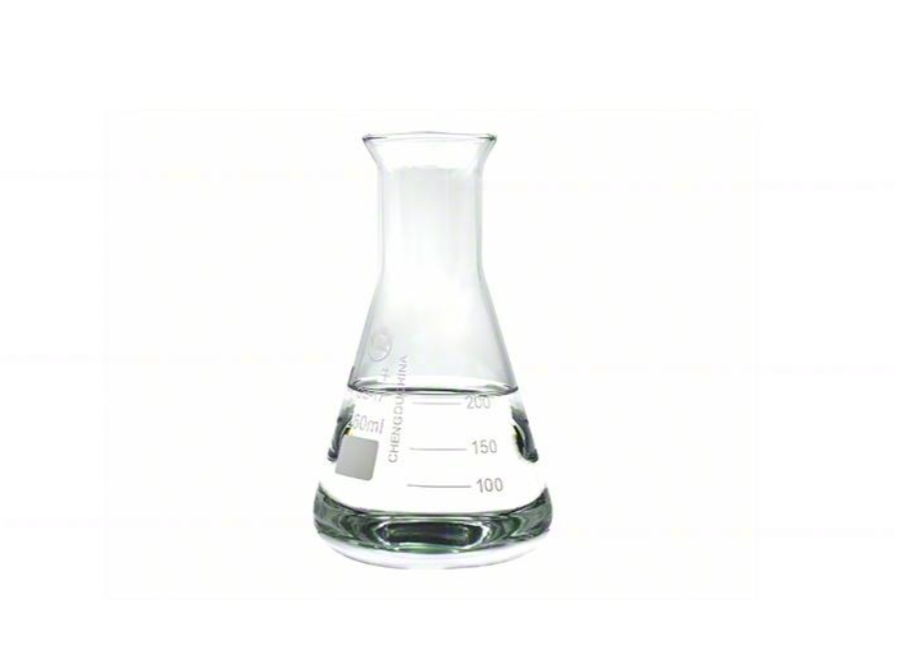
Polyethylene glycol, commonly abbreviated as PEG, is a water-soluble, non-ionic polyether compound synthesized through the polymerization of ethylene oxide. It exists in a diverse range of physical forms, from colorless, odorless liquids to white, waxy solids, depending on its molecular weight. Low-molecular-weight PEGs are viscous liquids with good fluidity, while high-molecular-weight ones are solid powders or flakes with higher hardness and stability.
PEG is characterized by excellent solubility in water and many organic solvents, as well as strong compatibility with a wide variety of substances including surfactants, active pharmaceutical ingredients, and cosmetic raw materials. It has stable chemical properties, showing resistance to hydrolysis under normal conditions, and does not react with most acids, bases, or salts. Additionally, PEG is recognized as a biocompatible material, with low toxicity and mildness, making it suitable for applications that involve contact with the human body.
PEG plays an indispensable role in the pharmaceutical industry, serving multiple key functions. As a solubilizer and dispersant, it helps dissolve poorly water-soluble drugs, improving the bioavailability of oral, injectable, and topical formulations. For example, it can be added to tablet coatings to enhance the dissolution rate of the drug in the gastrointestinal tract, ensuring faster and more consistent absorption.
It also acts as an excipient and lubricant in tablet manufacturing, reducing friction between the drug powder and the mold during compression, which prevents sticking and ensures uniform tablet shape and size. In addition, PEG is widely used in the production of ointments, creams, and suppositories, where it functions as a base material to adjust the texture of the preparation, making it easy to apply and spread on the skin or mucous membranes.
A notable application is in PEGylation—a process that attaches PEG molecules to proteins, peptides, or antibody drugs. This modification can extend the drug’s half-life in the body, reduce its immunogenicity, and improve its stability, thereby enhancing the therapeutic effect and reducing the frequency of administration.
In the cosmetics industry, PEG is a versatile ingredient with multiple benefits. As a humectant, it can absorb and retain moisture from the surrounding environment, helping the skin maintain a hydrated state, alleviate dryness and roughness, and leave the skin feeling soft and supple. It is commonly added to facial moisturizers, body lotions, and hand creams, especially products targeted at dry skin types.
It also serves as an emulsifier and solubilizer in cosmetic formulations, helping to blend oil-soluble and water-soluble ingredients into a stable, homogeneous emulsion. This prevents phase separation in products like foundations, sunscreens, and shower gels, ensuring a smooth texture and consistent performance. For water-based cosmetics, PEG can adjust the viscosity of the product, optimizing its spreadability and application feel without leaving a sticky residue.
Furthermore, PEG acts as a carrier for active ingredients in skincare products, facilitating the penetration of nutrients such as vitamins, antioxidants, and anti-aging compounds into the deeper layers of the skin, maximizing their efficacy.
Beyond pharmaceutical and cosmetic uses, PEG has extensive applications in various industrial fields. As a lubricant and mold release agent, it is used in plastic processing, textile manufacturing, and metalworking, reducing friction between materials and equipment and improving production efficiency. In the paper industry, it serves as a sizing agent to enhance the strength and water resistance of paper products.
PEG is also utilized in the agricultural sector as a wetting agent and adjuvant for pesticides and herbicides. It helps these agrochemicals spread evenly on plant surfaces, improving their adhesion and absorption, and thus boosting their pest-control or weed-killing effects. Additionally, in the food industry, food-grade PEG is used as a processing aid, such as a glazing agent for candies and a coating for fresh fruits to extend their shelf life.


 Product Introduction