Product Name | |
| CAS | 57-55-6 |
Quality Standard | Standard |
Product Grade | Cationic Emulsifiers |
Place of Origin | China |
Dangerous Goods | No |
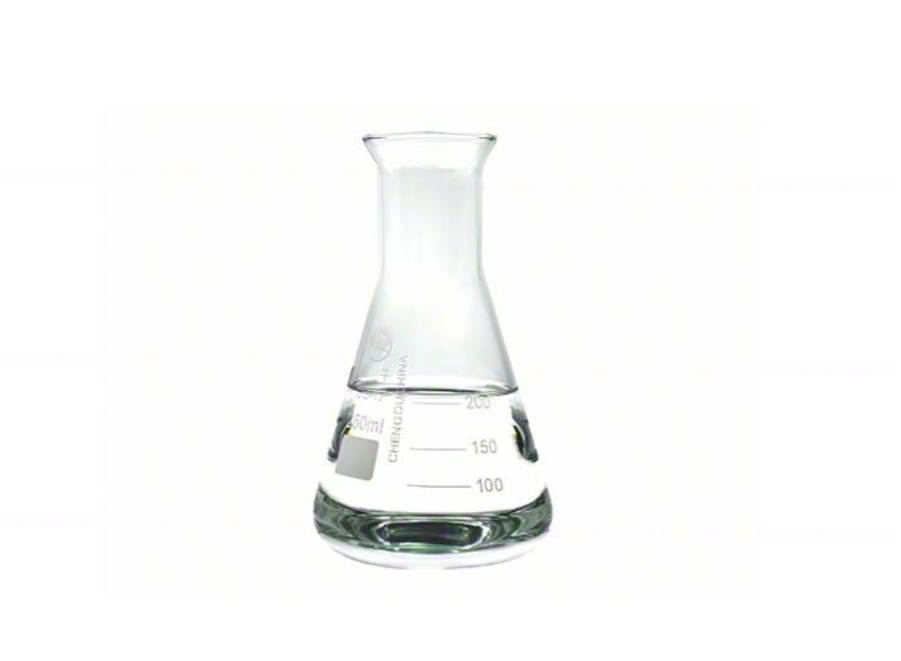
Propylene glycol is a colorless, odorless, viscous liquid that belongs to the class of polyhydric alcohols. It is a versatile synthetic compound with excellent solubility and compatibility properties, making it widely used across the food, cosmetic, pharmaceutical, and industrial sectors. The substance is hygroscopic, meaning it can absorb moisture from the surrounding air, and it exhibits good thermal and chemical stability under normal conditions, remaining stable over a wide range of temperatures and pH levels.
Propylene glycol is miscible with water, alcohols, and many organic solvents, while being only slightly soluble in oils. This solubility profile allows it to act as a bridge between water-based and oil-based ingredients in various formulations. It is also recognized as safe for human contact and consumption when used within the regulatory limits set by global authorities such as the FDA and EFSA.
In the cosmetic and personal care industry, propylene glycol serves as a multi-functional ingredient with two primary roles. First, it acts as an effective humectant, drawing moisture from the air and locking it into the skin or hair to maintain hydration levels. This property makes it a common addition to moisturizers, lotions, serums, and hair conditioners, especially for products targeting dry or dehydrated skin and hair types. It helps alleviate dryness, roughness, and flaking, leaving the skin feeling soft and supple and the hair looking smooth and manageable.
Second, it functions as a solubilizer and emulsifier. It helps dissolve oil-soluble ingredients such as fragrances, essential oils, and some active skincare components into water-based formulations, preventing separation and ensuring a homogeneous texture. It also aids in stabilizing emulsions like creams and foundations, enhancing their shelf life and consistency. Additionally, propylene glycol can improve the spreadability of cosmetic products, making them easier to apply evenly without leaving a sticky residue.
Propylene glycol plays a critical role in pharmaceutical formulations due to its biocompatibility and solubilizing capabilities. It is widely used as a solvent for poorly water-soluble drugs, including many oral, topical, and injectable medications. By dissolving these drugs, it enhances their bioavailability, ensuring that the active ingredients are effectively absorbed by the body to exert their therapeutic effects.
It also serves as a preservative adjuvant in some liquid medications, helping to extend their shelf life by inhibiting the growth of certain microorganisms when combined with other preservatives. In topical preparations like ointments, creams, and gels, it acts as a humectant and penetration enhancer, facilitating the absorption of medicinal ingredients through the skin. For oral solutions and syrups, it adds a slight sweetness and helps mask the bitter taste of some drugs, improving the overall palatability for patients, especially children.
In the food industry, propylene glycol is approved as a food additive with several key functions. It acts as a humectant and moisture retainer, preventing food products from drying out and maintaining their texture and freshness over time. This makes it useful in baked goods, confectionery, and processed foods, where it helps preserve softness and prevent staling.
It also serves as a solvent for food flavors, colors, and extracts, ensuring that these additives are evenly distributed throughout the food product to maintain consistent taste and appearance. In frozen desserts such as ice cream, it can act as a cryoprotectant, reducing the formation of large ice crystals during freezing and thawing cycles, which results in a smoother, creamier texture. Additionally, it is used in some food coatings to enhance gloss and prevent sticking.
Beyond consumer products, propylene glycol has extensive industrial uses. It is a key component in antifreeze and deicing fluids, where its ability to lower the freezing point of water helps protect engines, pipes, and equipment from freezing in cold temperatures. Unlike some traditional antifreezes, it is less toxic, making it a safer option for certain applications.
It is also used as a heat transfer fluid in industrial cooling and heating systems, thanks to its high boiling point and thermal stability. In the paint and coating industry, it acts as a coalescing agent, helping to bind pigment particles together and improve the film-forming properties of paints, resulting in a smoother, more durable finish. Additionally, it serves as a solvent in printing inks and adhesives, enhancing their flow and adhesion properties.


 Product Introduction