

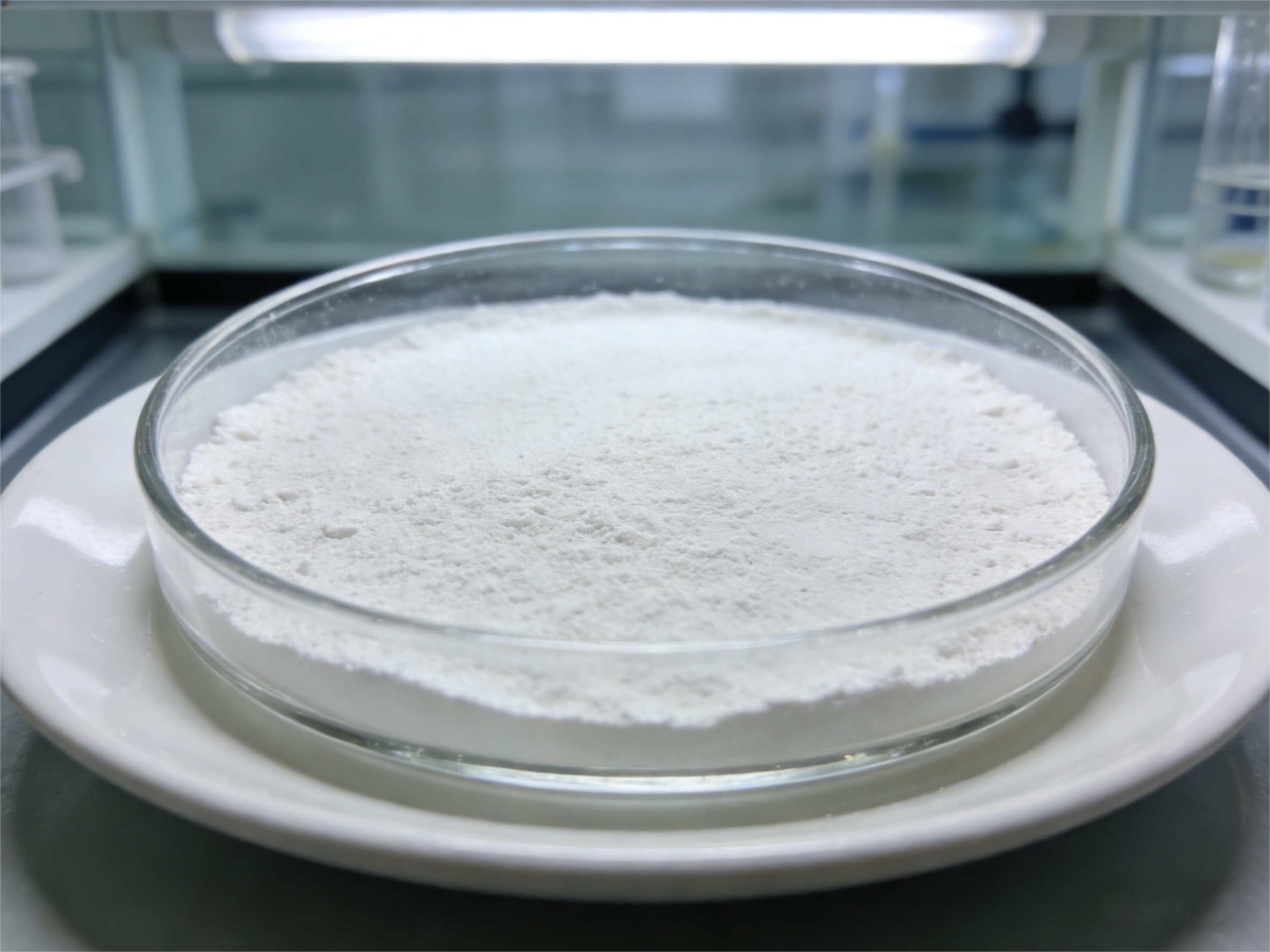
Sodium Benzoate
 Product Introduction
Product NameSodium BenzoateCAS532-32-1Quality StandardStandardProduct GradeCatio
- Model:
- Update Time:2025-12
- Manufacturer Type:
- Views:
Product Name | Sodium Benzoate |
| CAS | 532-32-1 |
Quality Standard | Standard |
Product Grade | Cationic Emulsifiers |
Place of Origin | China |
Dangerous Goods | No |
Sodium benzoate is a widely used, cost-effective food and cosmetic preservative, usually presented as a white, odorless crystalline powder with excellent solubility in water. It is a derivative of benzoic acid and has been approved for use in various fields by regulatory authorities around the world due to its mature safety profile and reliable performance. This ingredient shows good compatibility with most food ingredients, cosmetic raw materials and pharmaceutical excipients, and can maintain stable activity within a specific pH range. It is applied at low concentrations in products, balancing effective preservation with high safety, making it a mainstream choice for extending the shelf life of many daily products.
Key Efficacy
Broad-spectrum antimicrobial preservation: It can effectively inhibit the growth and reproduction of a variety of microorganisms, including yeasts, molds and some gram-negative bacteria, which are the main causes of food spoilage and cosmetic deterioration. By suppressing microbial activity, it helps prevent product corruption, mold growth and quality degradation, thus extending the shelf life of food, cosmetics and pharmaceuticals.
Food freshness maintenance: In food processing, it is commonly added to beverages, jams, pickles and sauces. It can inhibit the growth of spoilage-causing microbes without significantly affecting the original flavor, taste and texture of food, helping to keep food fresh and edible for a longer period.
Cosmetic and personal care product stabilization: In cosmetics and personal care items such as lotions, shampoos and facial cleansers, it acts as a preservative to prevent microbial contamination during storage and use. It works well with other preservatives to form a synergistic antimicrobial system, enhancing the overall stability of the formulation.
Pharmaceutical auxiliary protection: In the pharmaceutical industry, it is used as an excipient in some oral and topical preparations. It helps maintain the sterility and stability of drugs, preventing microbial contamination that may affect the efficacy and safety of pharmaceutical products.