

Propylparaben

Product Introduction

Product NamePropylparabenCAS94-13-3Quality StandardStandardProduct GradeCationic

Model:
Update Time:2025-12
Manufacturer Type:
Views:

Product Name

Propylparaben

CAS94-13-3

Quality Standard

Standard

Product Grade

Cationic Emulsifiers

Place of Origin

China

Dangerous Goods

No
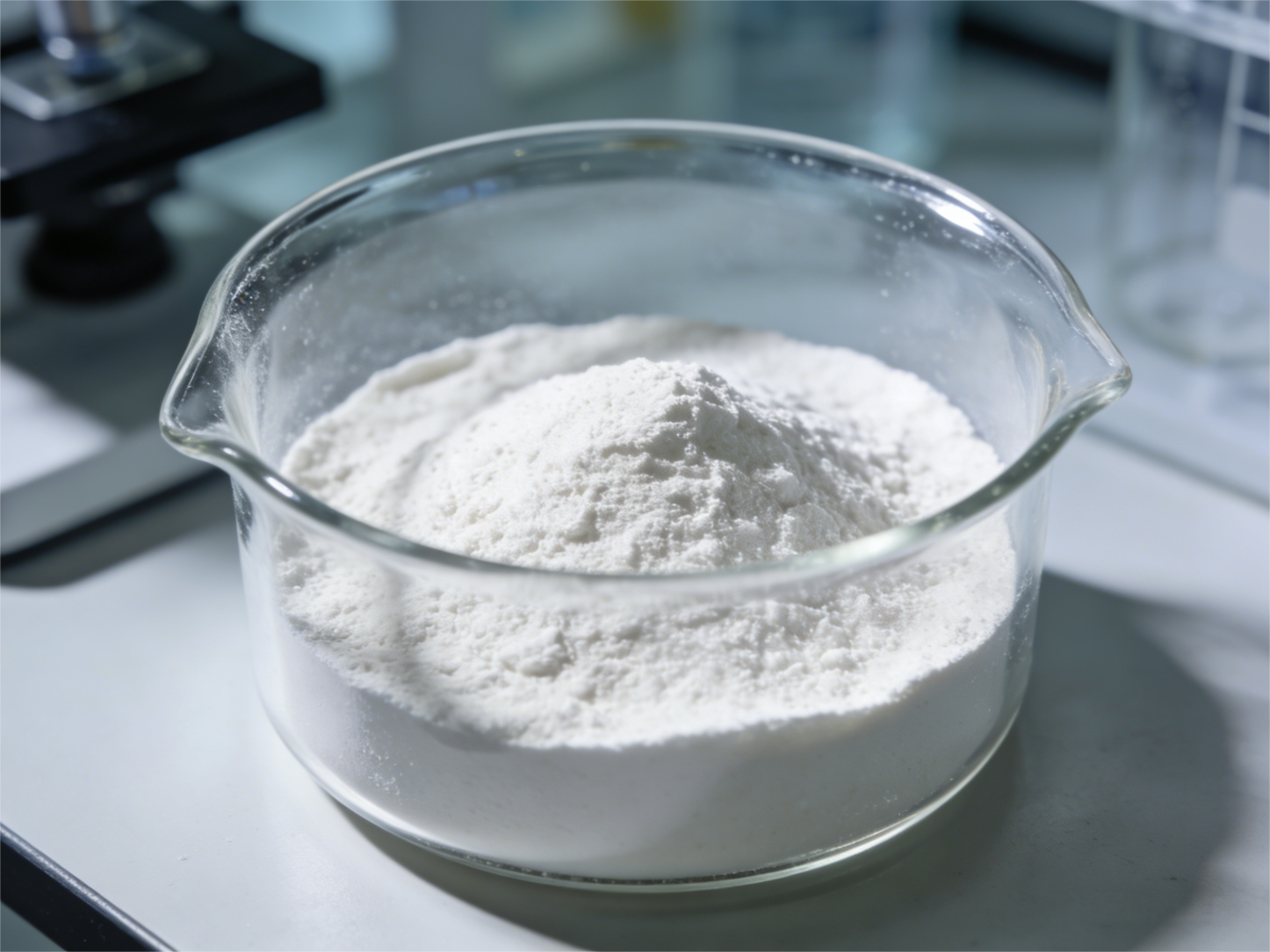
Propylparaben, a member of the paraben family, is a widely used, efficient preservative for cosmetics, personal care products and some pharmaceutical formulations. It usually exists as a white crystalline powder with good solubility in organic solvents and moderate solubility in water. This ingredient boasts high chemical stability across a broad pH range and shows excellent compatibility with most common formulation components such as emulsifiers, oils and active ingredients. It functions effectively at low concentrations, and when used in compliance with regulatory standards, it maintains a good balance between preservation efficacy and skin tolerance, making it a staple additive in many daily care products.

Key Efficacy

  1. Broad-spectrum antimicrobial preservationIt can effectively inhibit the growth and reproduction of a variety of microorganisms including gram-positive bacteria, gram-negative bacteria, yeasts and molds, which are the primary culprits of product spoilage. This helps prevent microbial contamination, delays product deterioration and extends the shelf life of cosmetics, lotions, shampoos and related products.
  2. Stable performance under diverse conditionsIt maintains consistent antibacterial activity under normal storage and usage environments, and is not easily affected by factors like light, moderate temperature changes or common cosmetic raw materials. This stability ensures long-term preservation effects for formulated products without compromising their original properties.
  3. Synergistic effect with other preservativesIt works well in combination with other preservatives such as methylparaben or phenoxyethanol, creating a synergistic antimicrobial system. This combination not only enhances the overall preservation effect but also reduces the required concentration of individual preservatives, further improving the safety profile of the final product.
  4. Good formulation compatibilityIt blends seamlessly into various product formulas without causing adverse changes to the product’s texture, color, fragrance or sensory experience. It is suitable for both leave-on and rinse-off products, ranging from facial creams and serums to body washes and hair care items.