

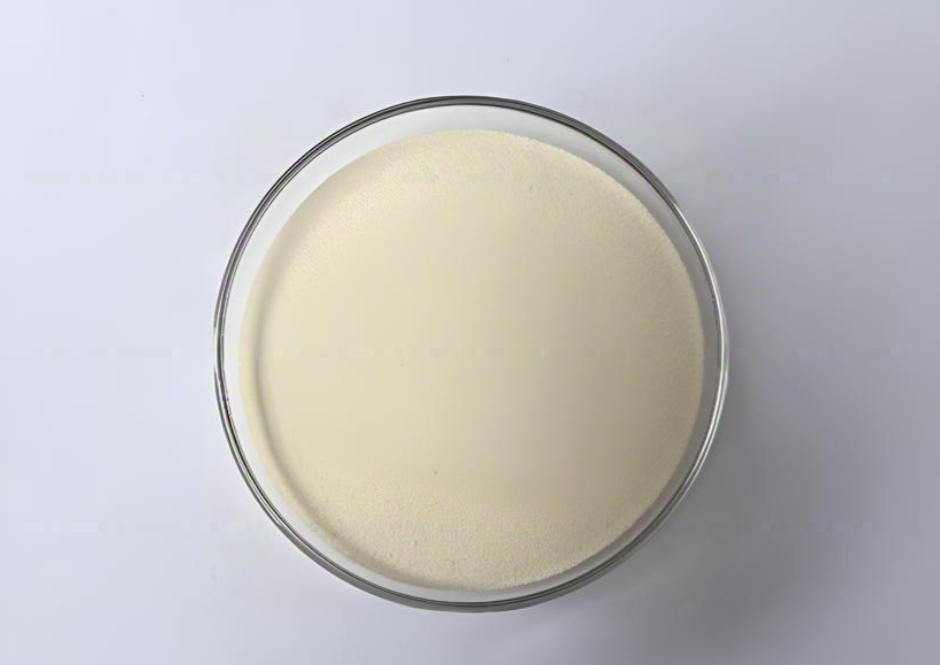
EDTA-2Na

Product Introduction

Product NameEDTA-2NaCAS139-33-3Quality StandardStandardProduct GradeCationic Emu

Model:
Update Time:2025-12
Manufacturer Type:
Views:

Product Name

EDTA-2Na

CAS139-33-3

Quality Standard

Standard

Product Grade

Cationic Emulsifiers

Place of Origin

China

Dangerous Goods

No
EDTA-2Na, also known as disodium edetate, is a widely used water-soluble chelating agent with excellent performance, applicable across food, cosmetics, pharmaceuticals, and industrial cleaning fields. It presents as a white crystalline powder with high solubility in water, and shows good stability under a wide range of pH conditions. This ingredient has strong binding capacity with metal ions and can be seamlessly integrated with most common formulation components without causing adverse reactions, making it a versatile additive in multiple industries. It is recognized as safe when used in compliance with relevant regulatory standards, and its application dosage is usually controlled at a low level to ensure efficiency and safety.

Key Efficacy

  1. Chelating and stabilizing effectIt can strongly bind to various metal ions such as calcium, magnesium, iron, and copper in the system, forming stable complexes that prevent these ions from participating in chemical reactions. In cosmetics and pharmaceuticals, this function helps avoid product discoloration, deterioration, or efficacy loss caused by metal ion catalysis, thus extending the shelf life of products.
  2. Enhancing cleaning efficiencyIn household detergents and industrial cleaning agents, it can chelate the calcium and magnesium ions in hard water, preventing the formation of insoluble scale deposits on surfaces. Meanwhile, it helps improve the activity of surfactants, enhancing the overall decontamination ability of cleaning products and making them more effective in removing stubborn stains.
  3. Preservative synergistIn cosmetics and personal care products, it acts as an auxiliary ingredient for preservatives. By chelating the metal ions that are necessary for microbial growth, it inhibits the metabolic activities of bacteria and molds, thereby enhancing the antimicrobial effect of preservatives and reducing the required dosage of preservatives.
  4. Food quality maintenanceIn the food industry, it is used as a preservative and quality improver. It can prevent oxidative browning of fruits and vegetables, maintain the bright color of food, and inhibit the rancidity of oily foods caused by metal ion catalysis, helping to preserve the original flavor and nutritional value of food.
  5. Pharmaceutical auxiliary functionIn pharmaceutical preparations, it is used as a stabilizer for injections and oral drugs. It can prevent the degradation of active pharmaceutical ingredients induced by metal ions, ensure the stability of drug efficacy, and also reduce the potential irritation of drugs to the human body.