

Methylchloroisothiazolinone and Methylisothiazolinone

Product Introduction

Product NameMethylchloroisothiazolinone and MethylisothiazolinoneCAS26172-55-4 a

Model:
Update Time:2025-12
Manufacturer Type:
Views:

Product Name

Methylchloroisothiazolinone and Methylisothiazolinone

CAS26172-55-4 and 2682-20-4

Product Name

Standard

Product Grade

Cationic Emulsifiers

Place of Origin

China

Dangerous Goods

No
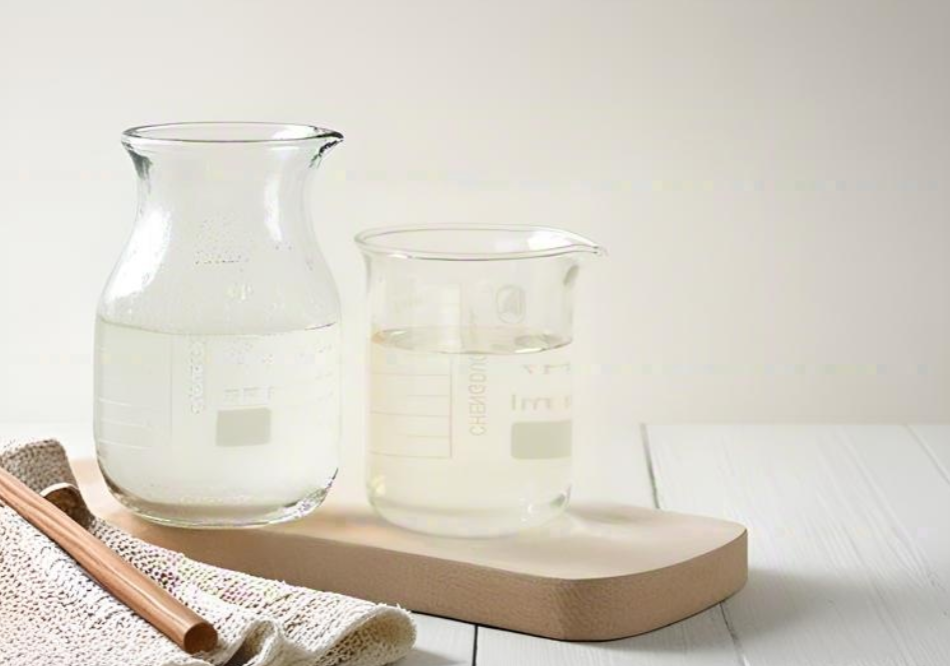
Methylchloroisothiazolinone (MCI) and Methylisothiazolinone (MI) are two widely used heterocyclic organic preservatives, often applied either individually or in a combined blend in various water-based products. Both appear as colorless to pale yellow liquids with good solubility in water and compatibility with most surfactants, emulsifiers and cosmetic raw materials. They are known for their strong antimicrobial activity at extremely low concentrations, and they maintain stable performance across a moderate pH range.
These two preservatives are commonly used in personal care products, household cleaners and industrial water treatment formulations. However, due to their potential skin sensitization risk, their usage concentrations and application scenarios are strictly regulated by authorities worldwide to ensure product safety.

Key Efficacy

  1. Broad-spectrum and high-efficiency antimicrobial protectionBoth MCI and MI exhibit strong inhibitory and killing effects on a wide range of microorganisms, including gram-positive bacteria, gram-negative bacteria, yeasts and molds. They can quickly suppress microbial growth in formulations, effectively preventing product contamination and spoilage during production, storage and use, thus extending the shelf life of water-based products such as shampoos, lotions, liquid soaps and household detergents.
  2. Synergistic enhancement when combinedWhen MCI and MI are used in a specific ratio, they produce a significant synergistic effect. This combination not only enhances the overall antimicrobial efficacy but also allows for a lower usage concentration of each component, which helps reduce the potential irritation risk while maintaining reliable preservation performance.
  3. Good compatibility with water-based systemsThey integrate seamlessly into various water-based formulations without causing adverse changes to the product’s texture, transparency, fragrance or sensory experience. They are suitable for a wide range of products, from leave-on cosmetics like facial creams and serums to rinse-off items such as body washes and hair conditioners, as well as household cleaning agents.
  4. Cost-effective preservation solutionTheir high activity at trace concentrations makes them a cost-effective choice for manufacturers. A tiny amount is sufficient to achieve robust antimicrobial protection, helping to control production costs without compromising product quality and safety.