

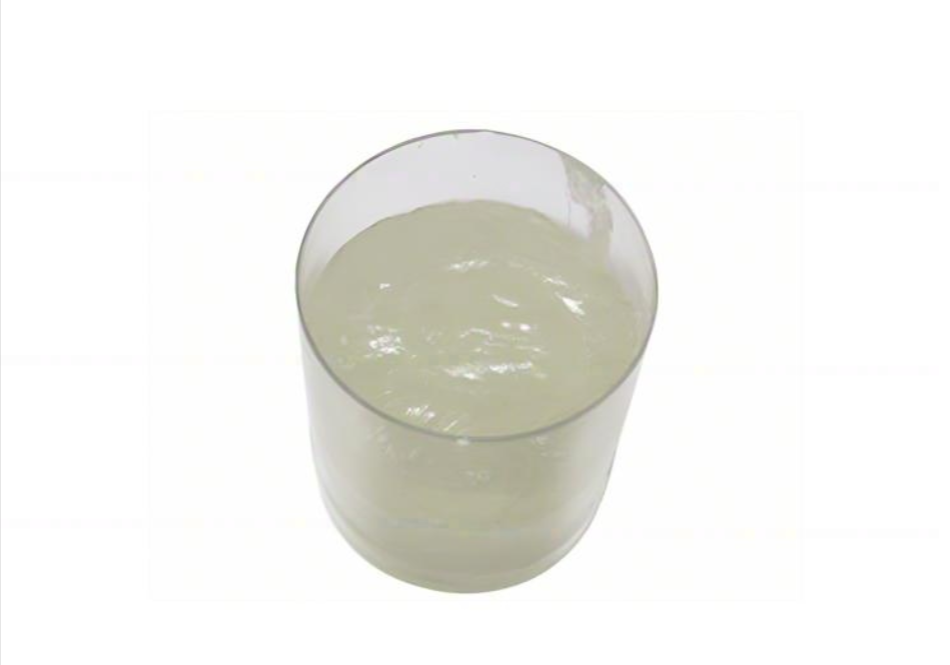
Lauryl Alcohol

Product Introduction

Product NameLauryl AlcoholCAS112-03-8Quality StandardStandardProduct GradeCosmet

Model:
Update Time:2025-12
Manufacturer Type:
Views:

Product Name

Lauryl Alcohol

CAS

112-03-8

Quality Standard

Standard

Product Grade

Cosmetic Grade

Place of Origin

China

Dangerous Goods

No


Core Characteristics

  1. Physical and Chemical TraitsLauryl alcohol has a high boiling point and low volatility, which gives it good thermal stability in processing and application. It has a moderate hydrophobic chain length, making it an ideal raw material for synthesizing a series of derivatives with surface-active properties. It is generally derived from natural fats and oils or prepared via petrochemical processes, and the product quality can be adjusted according to different production routes to meet the needs of various industries.
  2. Safety PerformanceThis substance has low toxicity and mild irritation to the skin and mucous membranes. Under normal usage conditions, it will not cause obvious harm to the human body. It has good biodegradability and will not accumulate in the environment, conforming to the environmental protection requirements of most countries and regions.

Main Application Fields

  1. Surfactant Synthesis (Core Application)Lauryl alcohol is a key raw material for manufacturing anionic surfactants such as sodium lauryl sulfate (SLS) and sodium laureth sulfate (AES). These surfactants are widely used in daily chemical products like shampoos, shower gels, dishwashing liquids and laundry detergents, playing roles in decontamination, foaming and emulsification. It can also be used to produce non-ionic surfactants such as fatty alcohol polyoxyethylene ethers, which are applied in industrial cleaning agents and textile auxiliaries.
  2. Personal Care and Cosmetics IndustryIt is added to skincare products, hair care products and cosmetics as an emollient, thickener and emulsifier. It helps to improve the texture of products, making creams and lotions smoother and more moisturizing. In hair care products, it can enhance the softness and combability of hair, reducing static electricity and frizz.
  3. Industrial and Textile FieldsIn the textile industry, it is used as a leveling agent, softener and lubricant in the dyeing and finishing process, helping dyes to spread evenly on the fabric surface and improving the hand feel and smoothness of textiles. In the industrial sector, it is applied in the production of lubricating oils, plasticizers and coatings, playing roles in enhancing lubrication, improving product flexibility and increasing the adhesion of coatings.
  4. Other ApplicationsIt can be used as a raw material for manufacturing flavors and fragrances, providing a faint, pleasant aroma for products. In the pharmaceutical industry, it serves as an excipient for ointments and creams, helping to adjust the consistency of preparations and promoting the absorption of active pharmaceutical ingredients by the skin. It is also used in the production of pesticides, acting as a synergist to improve the adhesion and permeability of pesticide formulations on crop surfaces.