

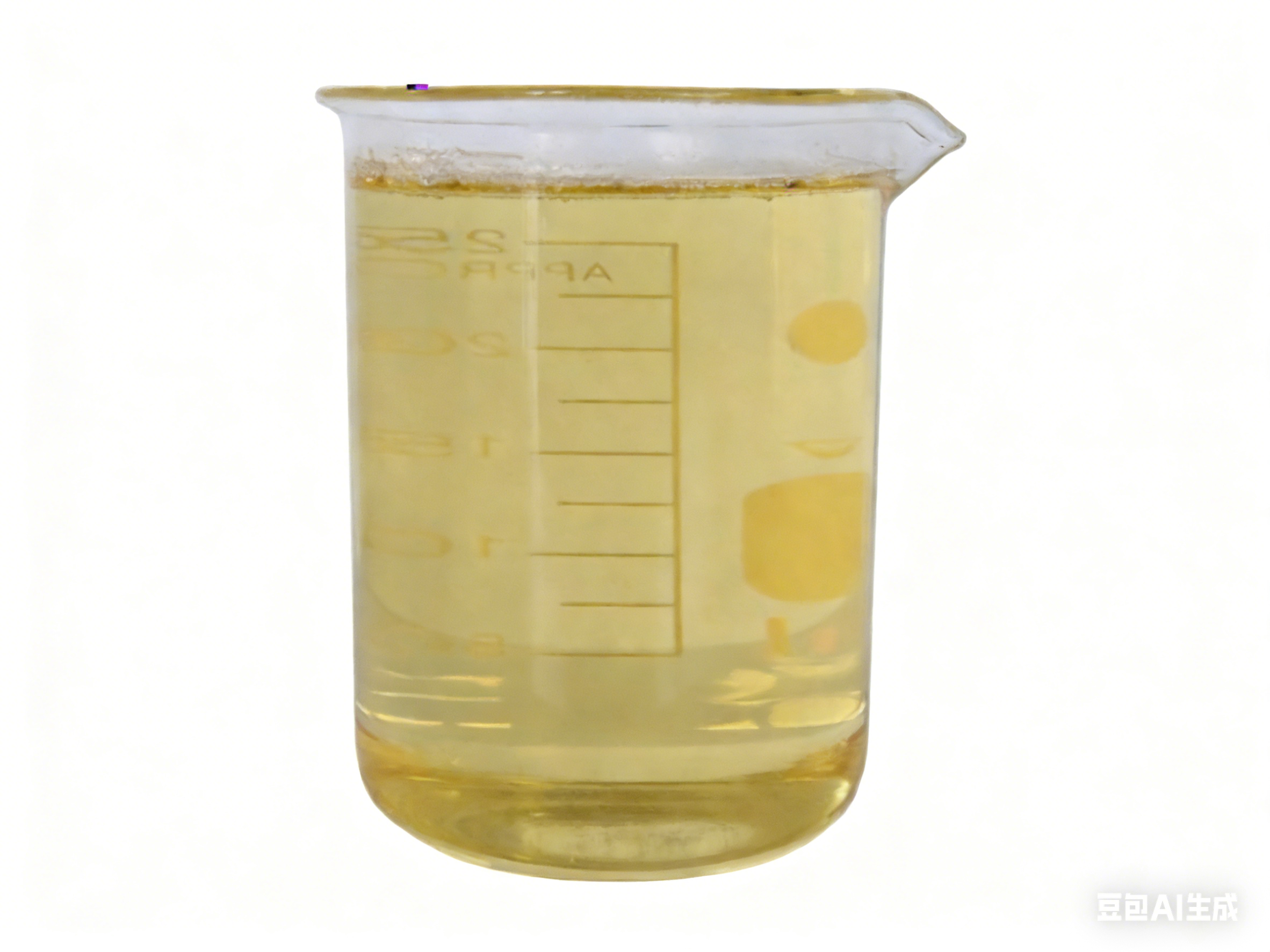
Lauroyl PG-Trimethyl Ammonium Chloride

Product Introduction

Product NameLauroyl PG-Trimethyl Ammonium ChlorideCAS53171-04-3Quality StandardS

Model:
Update Time:2025-12
Manufacturer Type:
Views:

Product Name

Lauroyl PG-Trimethyl Ammonium Chloride

CAS

53171-04-3

Quality Standard

Standard

Product Grade

Cosmetic Grade

Place of Origin

China

Dangerous Goods

No


Lauroyl PG-trimethyl ammonium chloride is a type of cationic surfactant with excellent conditioning and emulsifying properties. It is usually a pale yellow to light brown viscous liquid or paste, featuring good water solubility and compatibility with most cationic, non-ionic and amphoteric surfactants.
With a unique molecular structure combining hydrophobic long-chain fatty groups and hydrophilic cationic groups, it can strongly adsorb to the negatively charged surfaces of hair and skin, forming a uniform and smooth protective film. This surfactant shows stable performance over a wide pH range and is resistant to hard water, making it suitable for various personal care product formulations. It is mild to the skin and eyes, with low irritation, and meets the safety requirements of daily chemical products.

Main Application Fields

  1. Hair Care ProductsIt is a core conditioning ingredient in shampoos, conditioners, hair masks and leave-in hair treatments. After adsorption to hair strands, it can effectively reduce friction between hairs, improve combability, and eliminate static electricity, leaving hair soft, smooth and glossy. For damaged or dry hair, it helps repair the hair cuticle and lock in moisture, reducing split ends and frizz. It is also widely used in hair-styling products such as hair gels and mousses to enhance the hold and texture of hairstyles.
  2. Skin Care ProductsIn skin care formulations like facial creams, body lotions and hand creams, it acts as a conditioning agent and emulsifier. It can form a protective layer on the skin surface to reduce water loss, improve skin smoothness and softness, and relieve dryness and tightness. Its mild properties make it suitable for sensitive and dry skin care products, and it can also enhance the emulsification stability of the formulations, preventing stratification during storage.
  3. Textile and Fabric Care IndustryIn the textile field, it is used as a fabric softener and antistatic agent. When applied to natural fibers such as cotton and wool, it can improve the hand feel of fabrics, making them soft and fluffy, and reduce static electricity generated by friction between fibers. It is also added to fabric finishing agents to enhance the wear resistance of textiles and maintain their soft texture after repeated washing.
  4. Other Industrial ApplicationsIt serves as an emulsifier and dispersant in the production of water-based coatings and inks, helping to disperse pigments and fillers evenly and improve the adhesion of coatings to substrates. In the agricultural sector, it can be used as an auxiliary agent in pesticide formulations to enhance the adhesion of pesticides on crop surfaces and improve the efficacy of pest and disease control. Additionally, it is applied in the leather industry as a leather softener to improve the flexibility and gloss of leather products.