

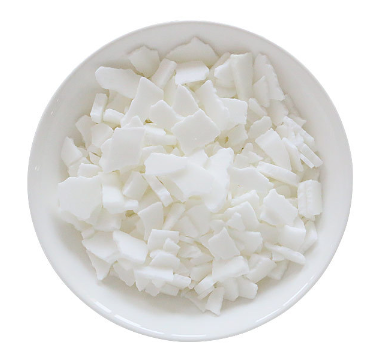
Stearamidopropyl Dimethylamine
 Product Introduction
Product NameStearamidopropyl DimethylamineCAS7651-02-7Quality StandardStandardPr
- Model:
- Update Time:2025-12
- Manufacturer Type:
- Views:
| Product Name | Stearamidopropyl Dimethylamine |
| CAS | 7651-02-7 |
Quality Standard | Standard |
Product Grade | Cosmetic Grade |
Place of Origin | China |
Dangerous Goods | No |
Stearamidopropyl dimethylamine is a type of cationic surfactant derived from natural fatty acids and amines. It typically appears as a pale yellow to off-white waxy solid or flaky powder, with good oil solubility and dispersibility in hot water. This surfactant features excellent conditioning properties, antistatic performance, and compatibility with most cationic, non-ionic, and amphoteric surfactants. It is mild to the skin and hair, and widely used in personal care products, textile finishing, and other industrial fields due to its unique adsorption capacity on negatively charged surfaces.
Core Characteristics
Conditioning & Adsorption PerformanceWith a long hydrophobic fatty chain and a positively charged hydrophilic group, it can strongly adsorb to the negatively charged surfaces of hair and skin, forming a thin, smooth protective film. This film effectively reduces friction between hair strands, improves combability, and eliminates static electricity, leaving hair soft and glossy. For skin, it helps lock in moisture, enhance smoothness, and relieve dryness without causing greasiness.
Stability & CompatibilityIt maintains stable performance over a wide pH range and is resistant to hard water and electrolytes, making it suitable for formulations containing salts or active ingredients. It has good compatibility with common cosmetic raw materials, and can be compounded with emulsifiers, humectants, and plant extracts to synergistically improve product efficacy.
Safety TraitsIt has low toxicity and mild irritation, meeting the safety standards of personal care products in most countries and regions. Under normal usage concentrations, it does not cause skin redness, itching, or other discomfort, and is friendly to sensitive scalp and skin.
Main Application Fields
Hair Care ProductsIt is a core conditioning ingredient in shampoos, conditioners, hair masks, and leave-in treatments. In shampoos, it mitigates the dryness and frizz caused by anionic surfactants, making hair manageable after washing. In deep conditioning products like hair masks, it penetrates the hair cuticle to repair damaged hair, reduce split ends, and restore hair luster. It is also added to hair-styling products such as hair serums and pomades to enhance hold and reduce static, keeping hairstyles neat for a long time.
Skin Care ProductsIn skin care formulations such as body lotions, hand creams, and facial moisturizers, it acts as a conditioning agent and emulsifier. It helps improve the spreadability of products, forms a protective film on the skin surface to reduce transepidermal water loss, and enhances the skin’s softness and smoothness. Its mild properties make it suitable for dry and sensitive skin care products.
Textile & Fabric Care IndustryIn textile finishing, it is used as a fabric softener and antistatic agent. Applied to natural fibers like cotton, wool, and silk, it can improve the hand feel of fabrics, making them soft and fluffy, and eliminate static electricity generated by friction during wearing and washing. It also enhances the wrinkle resistance of fabrics and maintains their soft texture after repeated cleaning. In fabric care products such as fabric softener liquids, it is a key component to improve the comfort of clothes.
Other Industrial ApplicationsIn the leather industry, it is used as a leather softener and brightener, helping to improve the flexibility and gloss of leather products, and preventing leather from cracking and hardening. In the field of water-based coatings and inks, it serves as a dispersant and antistatic agent, promoting the uniform dispersion of pigments and fillers, and reducing the static adsorption of dust on the coating surface to improve the finish of the coating film.