

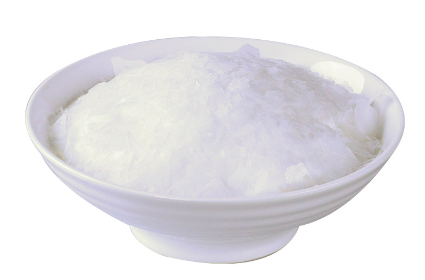
Sodium Lauryl Sulfate (SLS, K12 Needle)
 Product Introduction
Product NameSodium Lauryl Sulfate (SLS, K12 Needle) CAS151-21-3Quality StandardS
- Model:
- Update Time:2025-12
- Manufacturer Type:
- Views:
Product Name | Sodium Lauryl Sulfate (SLS, K12 Needle) |
| CAS | 151-21-3 |
Quality Standard | Standard |
Product Grade | Cationic Emulsifiers |
Place of Origin | China |
Dangerous Goods | No |
Sodium Lauryl Sulfate, commonly abbreviated as SLS and commercially available in needle-shaped form (referred to as K12 Needle), is a highly efficient anionic surfactant synthesized from lauryl alcohol and sulfur trioxide or chlorosulfonic acid, followed by neutralization with sodium hydroxide. It typically appears as white, needle-like crystalline powder with excellent water solubility, high surface activity, and strong foaming and detergency capabilities.
As a classic surfactant, K12 Needle features a short carbon chain (C12) structure, which endows it with fast foam generation, high foam volume, and strong oil-emulsifying properties. However, its mildness is relatively low compared to milder alternatives like sodium laureth sulfate (SLES) or alkyl polyglycosides (APG). It is sensitive to hard water, and its performance can be enhanced by compounding with water-softening agents or non-ionic surfactants. It maintains stable performance in a wide pH range (pH 5–12) and is cost-effective, making it a widely used raw material in various industrial and daily chemical products.
Core Properties
Powerful foaming and detergency
K12 Needle generates rich, dense foam rapidly upon agitation and has strong ability to emulsify grease, disperse particulate dirt, and remove stubborn stains from surfaces. This makes it an ideal choice for products requiring high cleaning efficiency.
Good solubility and processability
It dissolves quickly in water, even at low temperatures, and can be easily incorporated into various formulation systems. Its needle-shaped morphology ensures uniform mixing and avoids agglomeration during production.
Wide compatibility
It exhibits good compatibility with most anionic, non-ionic, and amphoteric surfactants. Compounding it with milder surfactants can balance its cleaning power and mildness, reducing irritation to the skin and mucous membranes.
Cost-effectiveness
Compared to high-end mild surfactants, K12 Needle has a lower production cost while providing excellent performance, making it a cost-effective option for mass-market products.
Main Applications
1. Daily Chemical Products
Toothpaste: It serves as a primary foaming agent, generating rich foam during brushing to enhance the cleaning effect on tooth surfaces and between teeth, and to disperse toothpaste components evenly. The recommended dosage is 1%–3%.
Laundry detergents and dishwashing liquids: It acts as a core cleaning and foaming ingredient, effectively removing oil stains and dirt from clothes and tableware. It is often compounded with builders like sodium tripolyphosphate to improve detergency, with a recommended dosage of 5%–15%.
Budget personal care products: Used in some affordable shampoos, body washes, and hand soaps for its strong foaming ability. To reduce irritation, it is usually blended with mild surfactants such as cocamidopropyl betaine (CAB), with a recommended dosage of 3%–10%.
2. Industrial Applications
Textile industry: It is used as a wetting agent, emulsifier, and detergent in textile pre-treatment processes such as desizing, scouring, and bleaching. It helps remove grease, wax, and sizing agents from fibers, improving the uniformity of subsequent dyeing and finishing, with a recommended dosage of 2%–8%.
Leather industry: Applied in leather degreasing and cleaning processes, it can effectively remove excess grease from leather surfaces without damaging the leather fiber structure, with a recommended dosage of 3%–12%.
Pesticide formulations: Serves as an emulsifier and wetting agent in pesticide emulsifiable concentrates and wettable powders, improving the dispersion of pesticide active ingredients in water and enhancing their adhesion to crop surfaces, with a recommended dosage of 1%–5%.
Industrial cleaning agents: Used in metal degreasers, floor cleaners, and equipment cleaners to remove heavy oil stains and industrial dirt, with a recommended dosage of 8%–20%.
Storage and Safety
Storage conditions
Store K12 Needle in a sealed container, placed in a cool, dry, and well-ventilated area away from direct sunlight and high humidity. Prevent moisture absorption, which may cause caking. Under proper storage conditions, its shelf life is generally 24 months.
Safety instructions
K12 Needle is not classified as a hazardous chemical, but its concentrated form has certain irritation to the skin and eyes. During operation, wear protective gloves and goggles to avoid direct contact. If it accidentally gets into the eyes, rinse thoroughly with plenty of clean water immediately. Avoid inhaling the powder to prevent respiratory discomfort. Due to its relatively low mildness, it is not recommended for use in products targeting sensitive skin or baby care without proper compounding with mild surfactants.