Product Name | |
| CAS | 110615-47-9 |
Quality Standard | Standard |
Product Grade | Cationic Emulsifiers |
Place of Origin | China |
Dangerous Goods | No |
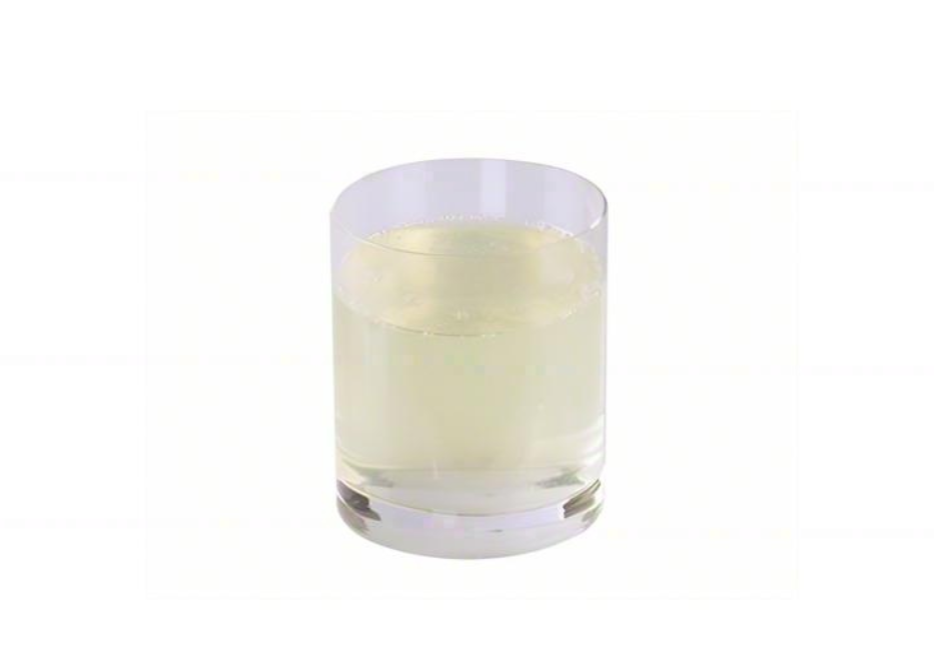
Alkyl Polyglycoside APG0814 is a high-performance bio-based non-ionic surfactant, synthesized through the glycosidation reaction of renewable natural glucose (extracted from starch-rich crops like corn and wheat) and C8–C14 linear fatty alcohols (derived from plant oils). At room temperature, it exists as a pale yellow transparent liquid or paste with excellent water solubility, low surface tension, and no cloud point, ensuring stable performance across a wide temperature range.
APG0814 combines the advantages of non-ionic and anionic surfactants, featuring strong detergency, rich foam, and outstanding mildness. Its carbon chain length (C8–C14) balances the hydrophilic and lipophilic properties, making it more versatile than the shorter-chain APG0810 and more soluble than the longer-chain APG1214. With a biodegradation rate exceeding 98%, it meets strict global environmental standards and is free of toxic or harmful residues. It also has good compatibility with anionic, cationic, and amphoteric surfactants, and maintains stable performance under acidic, alkaline, and high-salt conditions, making it an ideal green surfactant for various formulations.
- Superior mildness and low irritationAPG0814 has minimal irritation to the skin and eyes, far lower than traditional surfactants such as sodium lauryl sulfate (SLS) and sodium laureth sulfate (SLES). It does not disrupt the skin’s natural lipid barrier, making it suitable for sensitive skin care products, baby care items, and personal care formulations requiring high biocompatibility.
- Balanced cleaning and foaming performanceIt generates fine, dense, and long-lasting foam, and effectively emulsifies grease, disperses particulate dirt, and removes stubborn stains without leaving residues on surfaces. Its cleaning efficiency remains stable in both soft and hard water, eliminating the need for additional water softeners in formulations.
- Excellent compatibility and stabilityIt can be compounded with most common surfactants, humectants, preservatives, and functional additives without causing turbidity, stratification, or performance degradation. It also resists hydrolysis under extreme pH conditions (pH 2–12) and maintains consistent efficacy in high-electrolyte systems.
- Eco-friendly and sustainableAs a 100% bio-based surfactant, it is readily biodegradable and does not accumulate in water bodies or soil, posing no harm to aquatic organisms and ecosystems. It complies with international environmental regulations such as EU Ecolabel and USDA BioPreferred, aligning with the global trend of green chemistry.
- Facial cleansers and body washes: APG0814 serves as a core mild cleansing ingredient, effectively removing dirt, excess oil, and makeup residues while keeping the skin hydrated and non-tight. It is widely used in amino acid facial cleansers, sensitive skin body washes, and baby bath products, with a recommended dosage of 2%–18%.
- Shampoos and conditioners: It acts as a mild cleansing and conditioning auxiliary, reducing scalp irritation, alleviating dryness and itching, and improving hair combability and luster. It is especially suitable for dry, damaged, or color-treated hair care formulations, with a recommended dosage of 3%–15%.
- Oral care products: Added to toothpastes and mouthwashes as a foaming agent and cleaning aid, it enhances the cleaning effect on tooth surfaces and between teeth, with low irritation to the oral mucosa, and is compatible with fluoride and other active ingredients, with a recommended dosage of 1%–5%.
- Baby care products: Due to its high mildness and eco-friendliness, it is a key ingredient in baby shampoos, lotions, and wipes, ensuring gentle care for infants’ delicate skin and hair, with a recommended dosage of 1%–10%.
- Dishwashing liquids: It has strong emulsifying ability for kitchen grease, effectively removing food residues and oil stains on tableware, and is gentle on hands, reducing dryness and roughness caused by long-term contact. It is often compounded with AES to balance cleaning power and foam stability, with a recommended dosage of 5%–25%.
- Laundry detergents: Used in liquid, powder, and capsule laundry detergents, it improves the detergency of the product, especially for oil-based stains on clothes, and is suitable for washing delicate fabrics such as silk, wool, and baby clothes without damaging fiber structures, with a recommended dosage of 4%–20%.
- Household all-purpose cleaners: Added to cleaners for kitchen stoves, furniture, and glass surfaces, it has good wetting and dispersing properties, quickly penetrating and decomposing dirt and water stains, leaving no streaks after cleaning, with a recommended dosage of 3%–18%.
- Hand sanitizers: It is used in both foam and gel hand sanitizers, providing mild cleansing while helping to disperse disinfectant components evenly, with a recommended dosage of 2%–10%.
- Textile industry: Used as a wetting agent, emulsifier, and scouring agent in textile pre-treatment processes (desizing, scouring, bleaching), it removes grease, wax, and sizing agents from fibers, improving the uniformity of subsequent dyeing and finishing, and reducing chemical damage to fabrics, with a recommended dosage of 1%–8%.
- Agricultural formulations: Serves as a pesticide adjuvant, improving the wetting and spreading ability of pesticide droplets on crop surfaces, enhancing adhesion and penetration, and thus boosting pesticide efficacy. It is eco-friendly and harmless to crops, with a recommended dosage of 0.5%–6%.
- Metal processing industry: Added to metal cleaning fluids and degreasers, it removes oil stains and metal debris from precision instruments and electronic components without corroding metal substrates, with a recommended dosage of 2%–12%.
- Leather industry: Applied in leather degreasing and cleaning processes, it effectively removes excess grease from raw hides, laying a solid foundation for subsequent tanning and finishing, with a recommended dosage of 3%–10%.
Storage ConditionsStore APG0814 in a sealed plastic or stainless steel container, placed in a cool, dry, and well-ventilated environment, away from direct sunlight and high temperatures (avoid storage above 40°C). Keep it away from strong acids, strong bases, and oxidants to prevent product deterioration. Under proper storage conditions, its shelf life is usually 12–24 months.
Safety InstructionsAPG0814 is not classified as a hazardous chemical. It has low irritation to the skin and eyes under normal usage concentrations. During the handling of high-concentration products, it is recommended to wear protective gloves and goggles to avoid direct contact with the eyes and skin. If it accidentally gets into the eyes, rinse thoroughly with plenty of clean water immediately. It is non-toxic to humans and aquatic organisms, making it safe for both household and industrial use.


 Product Introduction