

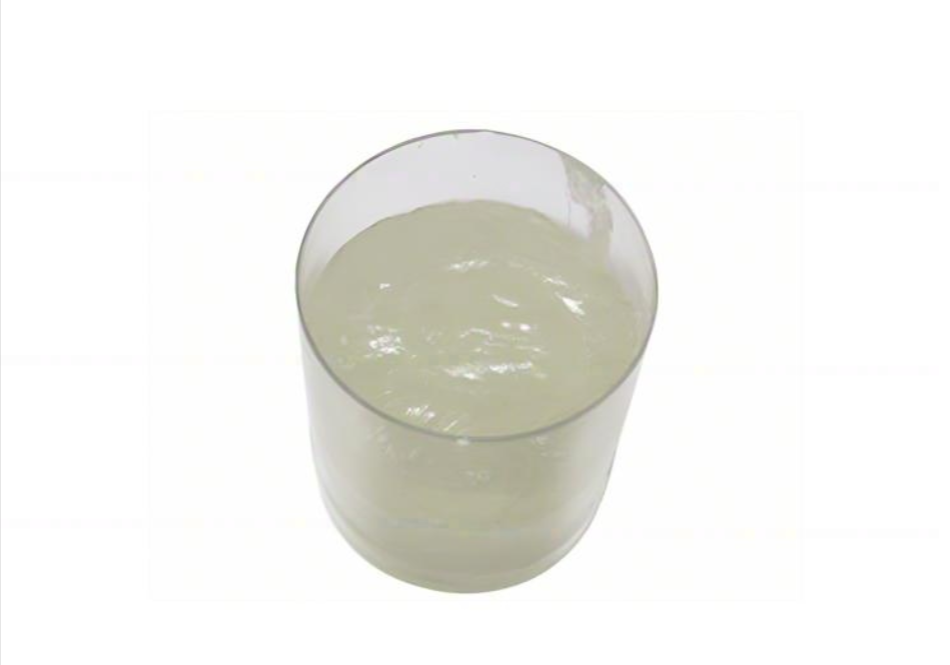
Cationic Emulsifiers
 Product Introduction
Product NameCationic EmulsifiersQuality StandardStandardProduct GradeCationic Em
- Model:
- Update Time:2025-12
- Manufacturer Type:
- Views:
Product Name | Cationic Emulsifiers |
Quality Standard | Standard |
Product Grade | Cationic Emulsifiers |
Place of Origin | China |
| Dangerous Goods | No |
Cationic emulsifiers are a class of surfactants whose molecules dissociate in aqueous solutions to produce positively charged hydrophilic groups. Their unique structural feature is the presence of cationic functional groups (such as quaternary ammonium, pyridinium, and imidazolinium groups) in the hydrophilic moiety, paired with hydrophobic alkyl or aryl chains. This structure enables them to adsorb strongly onto negatively charged surfaces (e.g., skin, hair, fibers, and particles), endowing them with excellent emulsifying, dispersing, conditioning, and antibacterial properties.
Unlike anionic emulsifiers, cationic emulsifiers are compatible with non-ionic emulsifiers but tend to react with anionic ones (forming precipitates or reducing efficacy), so they are rarely used in combination. They exhibit stable performance in acidic and neutral systems, while their cationic groups may hydrolyze in strongly alkaline environments, leading to reduced activity. Cationic emulsifiers are generally milder than traditional anionic surfactants and are widely used in personal care, textile, and industrial fields due to their dual functions of emulsification and functional modification.
Core Properties
Strong emulsifying capacity for oil-in-water (O/W) systems
Cationic emulsifiers can effectively reduce the interfacial tension between oil and water phases, wrapping oil droplets in a positively charged adsorption layer to form stable O/W emulsions. The emulsions prepared have good centrifugal stability and storage stability, and are not easily broken by temperature changes or electrolyte addition.
Excellent adsorption and conditioning properties
They have a high affinity for negatively charged substrates. When applied to skin, hair, or fibers, they adsorb firmly on the surface to form a smooth, breathable film, which can reduce friction, improve softness and luster, and reduce static electricity.
Broad-spectrum antibacterial activity
Most cationic emulsifiers (especially quaternary ammonium salt types) have significant antibacterial and antifungal effects. They can destroy the cell membranes of microorganisms, inhibiting the growth and reproduction of bacteria and fungi, making them ideal additives for antibacterial formulations.
Good compatibility with non-ionic substances
They can be compounded with non-ionic emulsifiers, humectants, thickeners, and other additives to adjust the properties of emulsions, enhancing product stability and sensory performance. However, they should avoid contact with anionic surfactants, pigments, or fillers to prevent flocculation or precipitation.
Main Applications
1. Personal Care and Cosmetics Industry
This is the largest application field of cationic emulsifiers, where they are valued for their emulsification and conditioning dual functions.
Hair care products: Used in conditioners, hair masks, and leave-in treatments. They adsorb on the negatively charged hair cuticles, repairing damaged parts, reducing static electricity and frizz, improving wet and dry combability, and leaving hair soft and glossy. Common types include cetyltrimethylammonium chloride (CTAC) and stearyltrimethylammonium bromide (STAB), with a recommended dosage of 0.5%–3.0%.
Skin care products: Applied in moisturizing creams, emulsions, and antibacterial lotions. They emulsify oily emollients (such as mineral oil, plant essential oils) to form stable creams, and the adsorbed film on the skin surface can lock in moisture and inhibit the growth of surface bacteria, suitable for sensitive and acne-prone skin formulations, with a recommended dosage of 0.2%–1.5%.
Oral care products: Added to toothpastes and mouthwashes as emulsifiers and antibacterial agents. They emulsify flavor oils and antibacterial ingredients, and inhibit the growth of oral bacteria (such as Streptococcus mutans), reducing dental plaque formation, with a recommended dosage of 0.1%–0.5%.
2. Textile and Leather Industry
Textile softeners and finishing agents: Cationic emulsifiers are the core raw materials of textile softeners. They emulsify silicone oils, mineral oils, or waxes to form O/W emulsions, which are applied to fibers during the finishing process. The positively charged groups adsorb on the negatively charged fibers, making the fabrics soft, smooth, and anti-static, and improving their drapability. They are widely used in cotton, wool, and synthetic fiber fabrics, with a recommended dosage of 1.0%–5.0% (based on fabric weight).
Leather processing agents: Used in leather fatliquoring and finishing processes. They emulsify animal and vegetable oils to form stable emulsions, which can penetrate into the leather fibers, making the leather soft, flexible, and resistant to cracking. At the same time, they have antibacterial effects, preventing mold growth during leather storage, with a recommended dosage of 2.0%–8.0%.
3. Industrial Emulsification and Coating Fields
Pesticide formulations: Used as emulsifiers and adjuvants in pesticide emulsifiable concentrates and water-dispersible granules. They emulsify pesticide active ingredients (oil-soluble) to form stable aqueous emulsions, and the positive charge helps the pesticide droplets adsorb on the negatively charged crop leaf surfaces, improving adhesion and reducing loss, with a recommended dosage of 3.0%–10.0%.
Water-based coatings and inks: Applied as emulsifiers and dispersants in water-based acrylic and polyurethane coatings. They emulsify hydrophobic monomers for emulsion polymerization, and disperse pigment particles to improve the uniformity and stability of coatings and inks, with a recommended dosage of 0.5%–2.0%.
Metal processing fluids: Used in metal cutting fluids and emulsifiable oils. They emulsify lubricating oils to form O/W emulsions, which have good lubricating and cooling effects, and their antibacterial properties can extend the service life of cutting fluids, with a recommended dosage of 2.0%–6.0%.
4. Other Special Applications
Wastewater treatment: Used as flocculants and sludge conditioners. They adsorb on negatively charged suspended particles in wastewater, neutralizing the charge and promoting particle aggregation and sedimentation, improving the solid-liquid separation efficiency of wastewater, with a recommended dosage of 0.05%–0.5%.
Paper industry: Added to paper sizing agents and softeners. They improve the adhesion of sizing agents to paper fibers and enhance the softness and smoothness of paper, with a recommended dosage of 0.1%–1.0%.
Storage and Safety
Storage Conditions
Store cationic emulsifiers in sealed plastic or stainless steel containers, placed in a cool, dry, and well-ventilated area, away from direct sunlight and high temperatures (avoid storage above 40°C). Keep them away from anionic substances, strong acids, and strong oxidants to prevent chemical reactions. Under proper storage conditions, the shelf life is generally 12–24 months.
Safety Instructions
Most cationic emulsifiers are low-toxic and mild, but concentrated products may have slight irritation to the skin and eyes. During operation, wear protective gloves and goggles to avoid direct contact. If the product accidentally gets into the eyes, rinse thoroughly with plenty of clean water immediately. Cationic emulsifiers are generally non-flammable and non-explosive, and do not belong to hazardous chemicals, so they can be transported and stored as ordinary chemical raw materials.