

Glycerin, chemically referred to as glycerol, stands as a pivotal humectant raw material in the cosmetic industry, celebrated for its exceptional moisture-retention properties and broad compatibility. This clear, viscous liquid—sourced either from natural plant oils or synthetic processes—features a unique molecular structure with three hydroxyl groups, enabling it to form hydrogen bonds with water molecules.
This inherent trait solidifies its role as a core humectant in cosmetic formulations, while its low toxicity, thermal stability, and cost-effectiveness make it an indispensable ingredient across personal care product lines. It bridges the gap between humectant raw material supply and end-user demand for high-performance moisturizing products.
In terms of glycerin applications, its versatility is prominently displayed across a diverse range of moisturizing products. As a primary humectant in skincare, glycerin is extensively integrated into lotions, creams, serums, and facial masks.
It absorbs ambient moisture and locks it into the skin barrier, increasing skin hydration by over 20% and alleviating dryness and flakiness. Market data confirms that glycerin accounts for over 32% of the humectant ingredients used in mainstream moisturizing products, underscoring its unparalleled efficacy.
Beyond basic hydration, glycerin synergizes seamlessly with other active components: when combined with hyaluronic acid or ceramides, it enhances skin barrier function, while its mild nature reduces irritation in sensitive-skin formulations.
In hair care, glycerin duals as a humectant and conditioning agent, added to shampoos and conditioners to improve hair smoothness and reduce static, further demonstrating its cross-category utility as a premium humectant raw material.
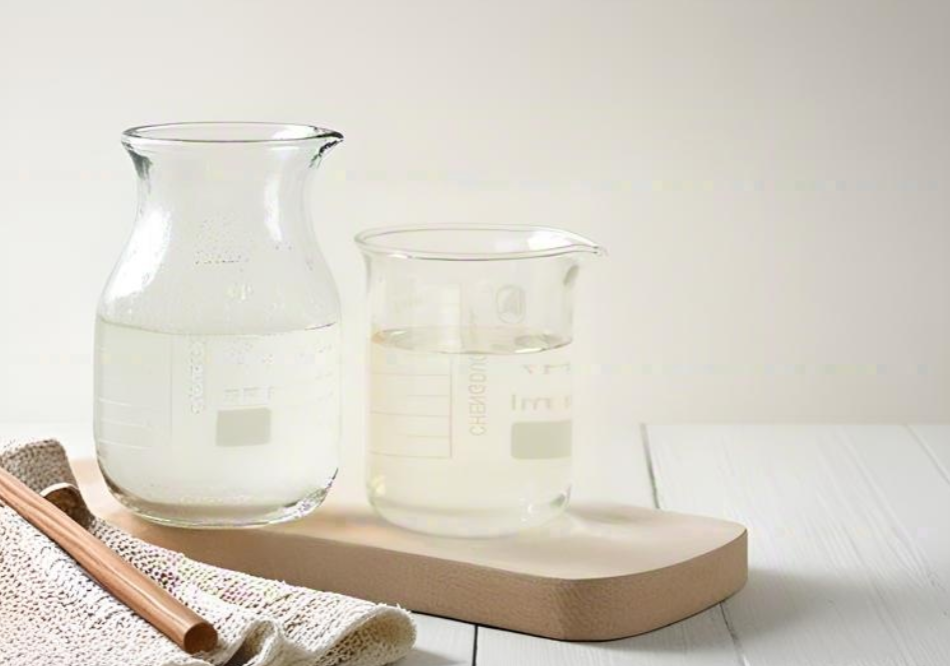
The current market share of glycerin reflects its irreplaceable position in both global and cosmetic-specific markets. Globally, natural glycerin dominates with a market share exceeding 92% in 2025, far surpassing synthetic glycerin (accounting for less than 8%).
This landscape is primarily driven by downstream industries’ preference for natural ingredients amid the "clean beauty" trend and biodiesel policy-driven supply expansion.
The cosmetics industry ranks as one of glycerin’s core consumption sectors: in 2025, the global cosmetic-grade glycerin market reached approximately $3.2 billion, accounting for 26-28% of total global glycerin consumption. The remaining demand is distributed across epichlorohydrin production (over 45%), food additives, and pharmaceutical applications.
China, as a key consumer and now a net exporter, recorded an apparent glycerin demand of 1.58 million tons in 2025, with an annual growth rate of 8.3% in cosmetic sector demand.
Europe follows with a 31% global share, boasting a market size of $992 million in 2025; the UK, Germany, and France are major consumers, with high-purity natural glycerin accounting for over 78% of their demand, though Germany has cut 15% of industrial-grade production capacity due to energy costs.
In terms of cosmetic-grade glycerin segmentation, natural glycerin’s market share rose from 55% in 2024 to 68% in 2025, driven by "sustainable beauty" policies and China’s 14th Five-Year Plan for new materials development.
At the product level, glycerin maintains a stable usage rate of over 32% among humectant ingredients in mainstream moisturizing products—38-42% in facial creams and 27-31% in toners, with higher penetration in emerging markets like India and Brazil.
Looking ahead, the future market share of glycerin in cosmetic applications is set for steady expansion. The cosmetic-grade glycerin market is expected to grow at an 8.1% compound annual growth rate (CAGR), reaching $4.8 billion by 2030 and accounting for 32-34% of total global glycerin consumption.
Natural glycerin’s penetration in the cosmetic grade segment will hit 82% by 2030, with the Asia-Pacific region’s natural glycerin consumption share exceeding 58%.
Emerging Southeast Asian markets (Indonesia, Vietnam) will emerge as key growth drivers, with their cosmetic-grade glycerin consumption share rising from 12% in 2025 to 20% in 2030, supported by RCEP tariff reductions.

Additionally, innovations in glycerin derivatives (e.g., glycerol glucoside for anti-aging formulations) and advancements in enzymatic refining processes (such as supercritical CO₂ extraction) will enhance purity and reduce costs by 40%, supporting broader adoption in high-end moisturizing products.
Glycerin’s enduring relevance stems from its dual role as a high-performance humectant and a versatile raw material. As consumer demand for effective, sustainable moisturizing products continues to surge—with the global moisturizer market expected to exceed $190 billion by 2030—glycerin’s applications will evolve alongside technological innovations.