

Cosmetic Bio-Ingredients: Technologically Driven Beauty Revolution and Application Practices
I. Development History: Paradigm Shift from Natural Extraction to Bio-Manufacturing
The development of cosmetic ingredients has undergone three generations of iteration, with the rise of bio-ingredients becoming a core symbol of industry transformation:
1.0 Natural Extraction Era: Relying on animal and plant resources, such as extracting hyaluronic acid from rooster combs and squalane from shark livers, which had problems including resource dependence, insufficient purity (usually below 80%), and ecological damage.
2.0 Fermentation Technology Era: Replacing part of natural extraction through microbial fermentation, such as producing hyaluronic acid using bacteria, which solved the safety risks of animal-derived sources but was still limited by the natural metabolic capacity of strains.
3.0 Synthetic Biology Era: Constructing "cell factories" by genetically engineering microorganisms to achieve precise design and large-scale production of ingredients. This breakthrough has shifted ingredient production from "relying on nature" to "creating nature", driving the industry into a new phase of "green manufacturing + precision skincare".
Industry data shows that the global bio-based cosmetics market size has grown from \(4.8 billion in 2023 and is expected to reach \)12 billion by 2030, with a compound annual growth rate (CAGR) of 13.8%, confirming the industrial value of bio-ingredients.
II. Core Technology Pathways: Analysis of Four Major Bio-Ingredient Systems
Current cosmetic bio-ingredients are mainly realized through four technical pathways, covering the full range of efficacy needs from basic moisturizing to precision anti-aging:
(I) Synthetic Biological Ingredients: Core Engine of Precision Manufacturing
By modifying the metabolic pathways of strains through microbial recombination engineering, high-value-added ingredients can be produced efficiently. Typical representatives include:
Hyaluronic Acid: Upgraded from animal extraction to engineered bacteria fermentation, with purity increased to over 99% and precise regulation of molecular weight (e.g., ultra-low molecular weight products can penetrate the dermis, improving moisturizing efficiency by 3 times).
Squalane: Converting glucose into squalene through yeast fermentation followed by hydrogenation, with a carbon footprint 80% lower than traditional shark extraction, purity exceeding 99.5%, and cost reduced by 40%.
Antioxidant Ingredients: Ergothioneine has achieved a 90% cost reduction through synthetic biology, while astaxanthin produced by genetically edited yeast fermentation has an antioxidant capacity 550 times that of vitamin E.
(II) Bio-Fermented Ingredients: Natural Treasure Trove of Microbial Metabolism
Utilizing microorganisms to ferment and produce active substances, which possess both natural properties and efficacy stability:
Functional Peptides: Short-chain peptides obtained through fermentation can precisely act on skin cell signaling pathways, such as repair peptides that promote fibroblast proliferation.
Plant Alternative Ingredients: Through community metabolic optimization, rose yeast produces essential oil components such as rose alcohol in specific proportions, with a cost 90% lower than natural extraction and a highly consistent component profile.
Probiotic Derivatives: Polysaccharides, organic acids, and other components contained in fermentation broths can regulate the skin microecology. For example, buckwheat seed fermentation broth can reduce melanin by 19% in 8 weeks.
(III) Genetic Engineering and Cell Engineering Products
Producing active ingredients homologous to the human body through genetic recombination technology to solve compatibility issues of traditional ingredients:
Recombinant Collagen: Introducing human-derived genes into microorganisms to produce type III collagen with 100% sequence consistency with the human body, which can directly stimulate skin repair mechanisms.
Recombinant Elastin: Breaking the European and American technological monopoly through genetic engineering to achieve large-scale production of human-derived elastin, filling the gap in anti-aging ingredients.
Cell Cultures: Active ingredients obtained through plant cell culture have a purity exceeding 95% and are not affected by climate or pesticide residues.
(IV) Bio-Sourced Functional Ingredients
Targeted development based on natural biological resources, combined with biotransformation technology to enhance efficacy:
DNA Derivatives: PDRN optimizes sequences through synthetic biology, with a 98% similarity to human DNA, becoming a core ingredient for post-medical aesthetic repair.
Rare Ginsenosides: Converting ordinary saponins into highly active CK-type through biotransformation technology to achieve ton-level mass production.
Upgraded Plant Extracts: Enzyme engineering increases the extraction rate of plant active ingredients from less than 30% to over 80%, reducing solvent residues.
III. Current Applications: Full-Scenario Coverage from Basic Care to Precision Skincare
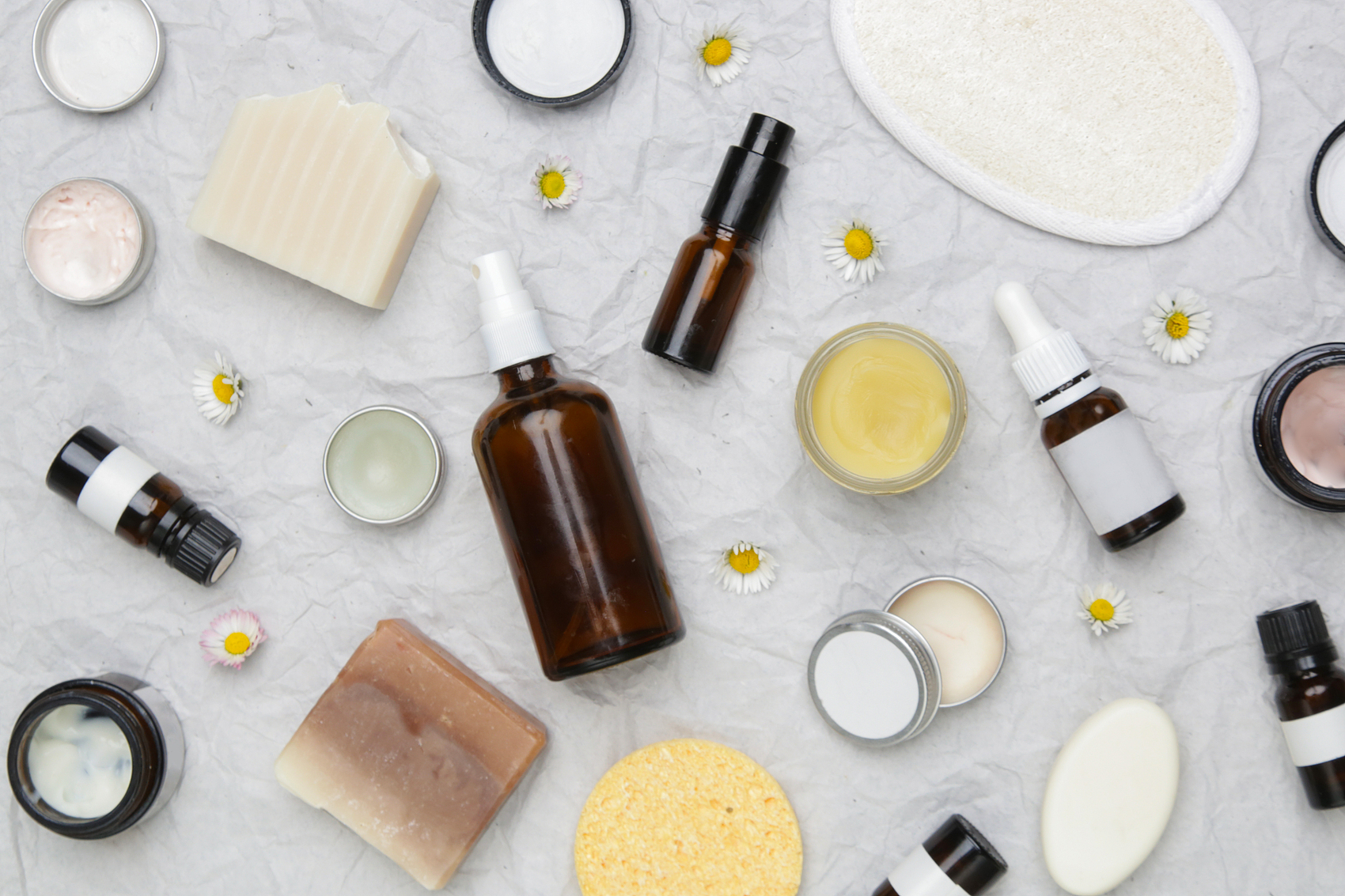
Bio-ingredients have penetrated all categories of cosmetics, forming precise matching according to efficacy needs:
(I) Basic Care: Safe and Efficient Barrier Maintenance
Moisturizing Field: Hyaluronic acid is compounded according to molecular weight gradients to achieve synergy between epidermal moisture locking and dermal hydration; fermented ceramides repair the stratum corneum and relieve dryness and sensitivity.
Cleansing Field: Biosynthetic amino acid surfactants have 90% lower irritation than traditional ingredients, suitable for sensitive skin needs.
(II) Efficacy Skincare: Targeted Solution to Skin Problems
Anti-Aging Field: The combination of recombinant collagen and elastin promotes skin matrix regeneration; NMN improves skin texture through cellular energy metabolism, with a registration volume increasing by over 200% year-on-year.
Whitening Field: Fermentation-derived bakuchiol replaces retinol, with both antioxidant and whitening effects; nano-scale active ingredients improve transdermal efficiency and enhance melanin inhibition.
Repair Field: The synergy of ergothioneine and PDRN scavenges free radicals while activating repair pathways, applied in post-medical aesthetic products.
(III) Special Care: Adapting to Segmented Scenario Needs
Sunscreen Field: The combination of astaxanthin and fermented flavonoids enhances UV protection and photo-damage repair capabilities.
Maternity and Infant Field: Cell-free toxic recombinant fibrin ingredients can reduce redness by 58.5% in two weeks, suitable for fragile skin care.
Makeup Field: Biosynthetic film-forming agents improve the durability of makeup effects while having moisturizing and repairing functions.
IV. Industry Trends: Synergistic Evolution of Policies, Technology, and Demand
Policy-Driven Standardization: Optimized classification management of new ingredient registration policies promotes simultaneous declaration of related products, accelerating the marketization process of bio-ingredients.
Deepened Technology Integration: The combination of synthetic biology and AI enables "rational design" of ingredients, such as predicting the target sites of active ingredients through algorithms, shortening the R&D cycle by more than 50%.
Sustainability Upgrade: Bio-manufacturing reduces the average carbon footprint of ingredient production by 60%, in line with the consumption concept of "beauty coexisting with the earth".
Precision Transformation: Shifting from single ingredient supply to "ingredient + formula + data" solutions to adapt to personalized skincare needs.