

Global Application, Market Volume and Future Trends of Petroleum Product Cleaners
Petroleum product cleaners play an indispensable role in the global energy, industrial and transportation fields. Their core function is to remove oil stains, carbon deposits and other contaminants from petroleum-related equipment and products, maintaining the normal operation of equipment, improving the utilization efficiency of petroleum products and reducing environmental pollution caused by oil pollution. At present, the application of petroleum product cleaners has covered multiple core fields and formed a diversified application pattern worldwide, with obvious regional characteristics in application demand and product selection.
Marine oil and gas development and transportation is the largest application field of petroleum product cleaners, accounting for more than 60% of the global market demand. This field has high requirements for the cleaning efficiency and environmental protection of products, especially for offshore oil spill emergency treatment and ship oil tank cleaning, it needs cleaners with strong oil stain decomposition ability and good biodegradability. With the recovery of global marine transportation and the acceleration of offshore energy development, the demand for petroleum product cleaners in this field is showing a steady growth trend.
Industrial manufacturing is another important application sector, with a market share of 22% and still rising. In mechanical processing, metal products and precision instrument manufacturing, petroleum product cleaners are used to clean oil stains on production equipment and workpieces, ensuring the precision of production processes and the quality of finished products. In particular, the high-end manufacturing industry has put forward more stringent requirements for the performance of cleaners, requiring products to have no residue and no corrosion to equipment after cleaning.
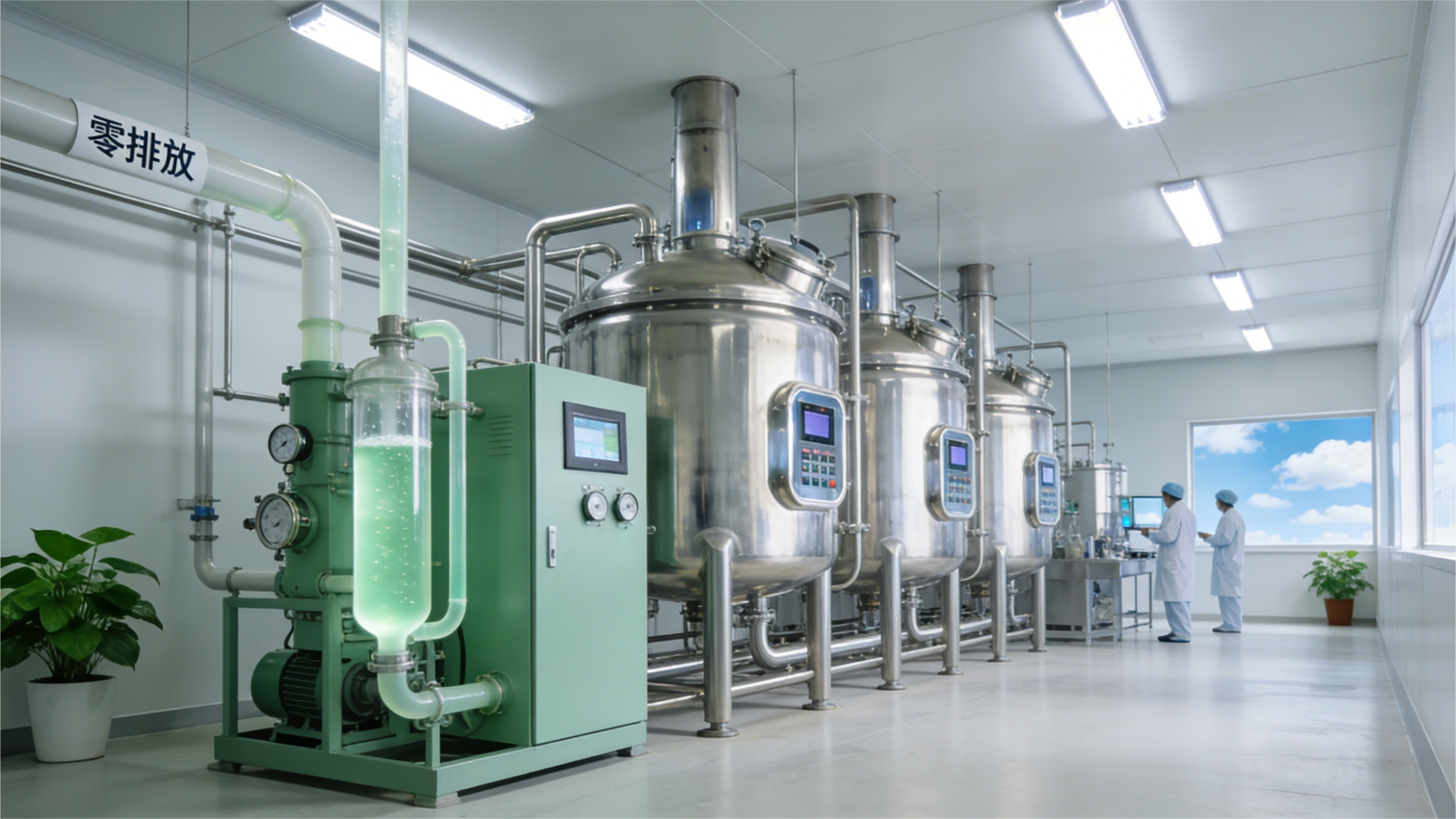
The transportation field represented by the automotive industry has a huge demand for petroleum fuel system cleaners. With the increase in the global number of internal combustion engine vehicles and the upgrading of emission standards, the demand for fuel cleaners that can remove carbon deposits in engine fuel systems, improve combustion efficiency and reduce exhaust emissions is growing rapidly. At the same time, the popularization of hybrid vehicles has spawned a new demand for special petroleum product cleaners adapted to hybrid power systems.
In addition, municipal and public facilities maintenance has become an emerging growth point of application. The demand for petroleum product cleaners in urban pipe network maintenance, environmental emergency oil pollution treatment and other scenarios is increasing year by year. This field pays more attention to the environmental protection and safety of products, requiring cleaners to meet strict environmental emission standards.
The global application of petroleum product cleaners also shows significant regional differences. The Asia Pacific region has become the world's largest consumer market, contributing 40% to 45% of the global market share. The rapid industrialization process, the expansion of marine trade scale and the huge automotive market in this region are the core driving forces for the strong demand for petroleum product cleaners. North America and Europe focus more on the high performance and environmental protection of products. Driven by strict environmental regulations and emission standards, the demand for green and high-efficiency petroleum product cleaners in these two regions is growing rapidly. Emerging markets such as Southeast Asia, the Middle East and Africa are showing considerable growth potential, with the improvement of automobile popularity, the development of industrialization and the awakening of environmental awareness, the demand for petroleum product cleaners is increasing year by year.
The global petroleum product cleaner market is in a stage of steady and rapid growth, with the market scale continuing to expand and the growth rate maintaining a high level. At the same time, the market volume structure shows obvious differentiation, with the proportion of green and high-efficiency products rising rapidly and the demand for traditional products gradually shrinking.
In 2025, the global market scale of petroleum product cleaners is expected to exceed 85 billion US dollars, with an average annual compound growth rate of about 6.5% to 6.8%. Among them, the market scale of fuel cleaners alone is expected to reach about 48 billion US dollars, and the oil stain cleaner market is expected to reach 86 billion US dollars, showing a good growth momentum. The steady growth of the market scale is supported by multiple factors, including the recovery of global energy and industrial fields, the upgrading of environmental and emission standards and the continuous improvement of people's environmental protection awareness.
From the perspective of product type structure, the market volume of bio-based and biodegradable petroleum product cleaners is growing the fastest, with a production capacity expansion of 34% in 2024 to 2025 and a market share rising to 35% in 2025. In contrast, the market growth rate of traditional solvent-based cleaners is slowing down and the market share is gradually shrinking due to environmental protection problems such as high volatile organic compound content.
In terms of regional market volume distribution, the Asia Pacific region is the largest consumption area, contributing 42% of the global revenue share, the consumption demand is mainly concentrated in the fields of industrial manufacturing, marine transportation and the automotive industry. North America and Europe are the major consumption markets for high-end petroleum product cleaners, with the market volume growth mainly relying on the upgrading of product value rather than simple sales volume increase. Emerging markets such as Southeast Asia are showing a high growth trend in market volume, with the average annual compound growth rate expected to lead the global average level in the next few years.
From the perspective of market supply, the global petroleum product cleaner market shows a pattern of oligopoly competition and professional segmentation coexisting. The top five global producers control about 48% to 57% of the production capacity share, relying on formula patents, large-scale production cost advantages and a perfect global supply chain to dominate the high-end market. A large number of small and medium-sized enterprises focus on specific application scenarios or regional markets, relying on customized services and flexible sales strategies to occupy a place in the market. In recent years, the market concentration has been gradually improving, with frequent merger and acquisition activities in the industry, and horizontal integration and vertical extension have become the main development strategies of enterprises.
The global petroleum product cleaner industry is facing profound changes driven by environmental regulations, technological innovation and industrial transformation, and the future development trend is clear, showing the characteristics of greening, high efficiency, intellectualization and specialization. The market scale will continue to expand and the product structure and industrial pattern will be further optimized.
Greening and environmental protection will become the core direction of the development of the petroleum product cleaner industry. More than 50 countries around the world have updated the environmental standards for oil pollution treatment agents, promoting the iterative upgrading of traditional solvent-based products to water-based and bio-based systems. It is expected that by 2030, the market share of green solvents in the global petroleum product cleaner production capacity will exceed 60%, and the market share of biodegradable cleaners will rise to 28%. The research and development and application of bio-based raw materials such as plant extracts and microbial fermentation products will become the focus of the industry, and the products with both cleaning performance and environmental protection will gain more market recognition.
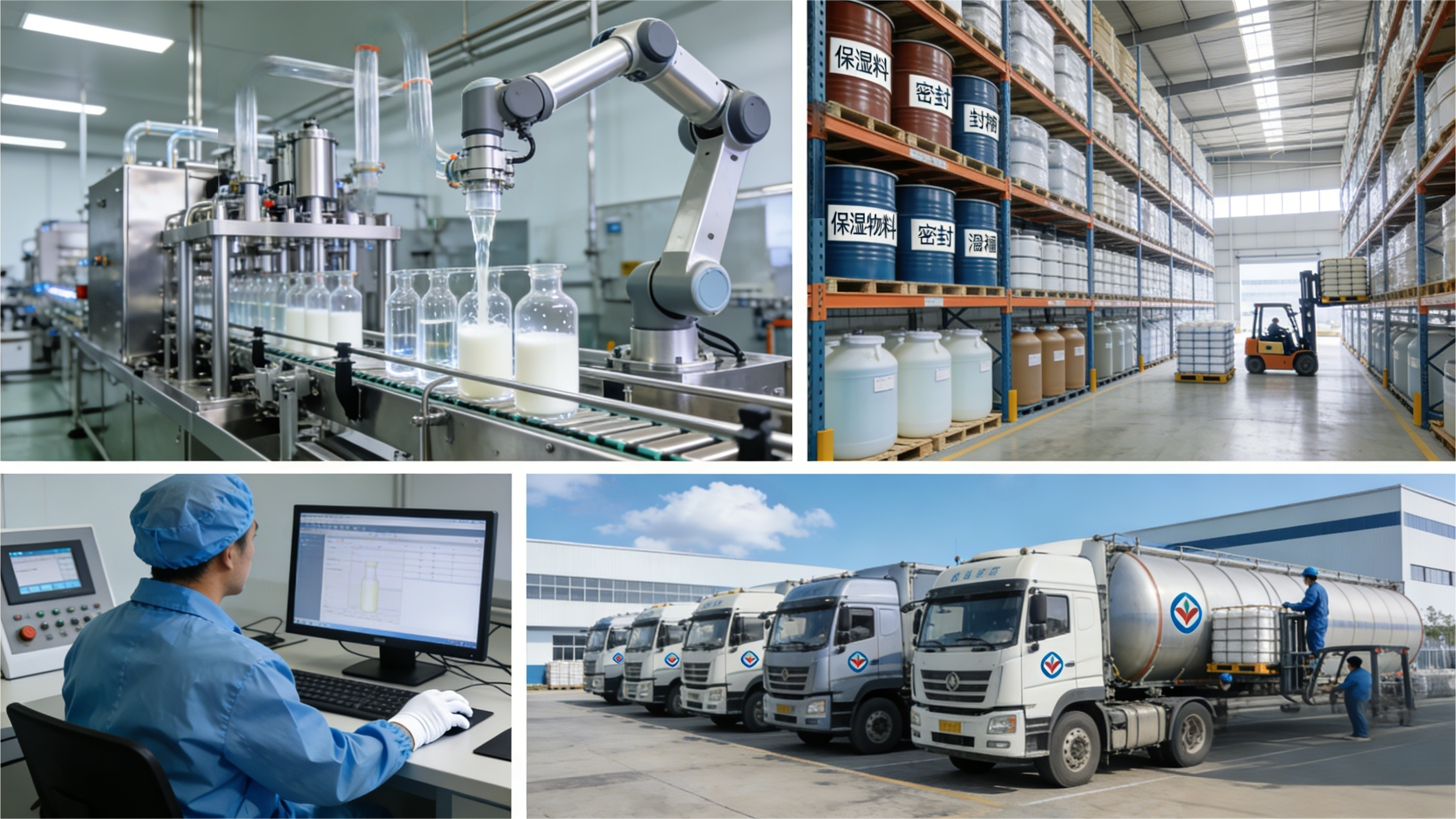
High efficiency and specialization will be the key trend of product upgrading. With the continuous improvement of industrial production and equipment precision, the demand for petroleum product cleaners with higher cleaning efficiency and more targeted performance is increasing. Nano emulsification technology and nano-level cleaning molecular technology have achieved breakthroughs in application, making the oil stain separation efficiency of new cleaners 2 to 3 times higher than that of traditional products and the carbon deposit removal efficiency increased by more than 30%. At the same time, the trend of product specialization is becoming increasingly obvious. Special cleaners for polar shipping, deep sea drilling, hybrid vehicles and other special scenarios are gradually emerging, and the profit margin of such segmented markets is higher than the industry average level.
Intelligentization and integrated solutions will reshape the industry development model. The digital transformation of the business model is deeply changing the ecological environment of the petroleum product cleaner industry. The penetration rate of intelligent liquid distribution systems in terminal application scenarios has exceeded 45%, and the transaction volume achieved through industrial internet platforms accounts for 32% of the total market volume. In the future, the industry will gradually transform from a single product sales model to a product plus continuous data monitoring service solution model. By linking with vehicle mounted diagnostic systems and industrial equipment monitoring systems, it can provide accurate cleaning and maintenance suggestions, realizing the intelligent matching of cleaner use and equipment status.
Regional market development will be more differentiated and the supply chain pattern will be reshaped. The Asia Pacific region will continue to maintain the leading growth momentum, with the export share expected to further improve and become an important production and export base for global petroleum product cleaners. North America and Europe will continue to lead the global technological innovation, focusing on the research and development of high-end and environmental friendly products and promoting the formulation of international industry standards. Emerging markets such as Southeast Asia, the Middle East and Africa will become the new growth pole of the global market, with the market volume growing at a rate higher than the global average level. Driven by regional trade agreements, the global production capacity of petroleum product cleaners is increasingly concentrated in free trade agreement coverage areas, forming a closed loop supply chain integrating production and consumption in some regions.
Technological research and development and patent layout will become the core of market competition. The global number of patents in the petroleum product cleaner industry has increased by 120% compared with 2020, among which the number of patents related to nano emulsification technology accounts for 31%, and the annual growth rate of microbial degradation technology patents remains at a high level of 25%. In the next few years, the research and development focus of the industry will focus on the commercial application of normal temperature high efficiency enzyme catalysis technology, the research and development of special cleaners adapted to new energy systems and the construction of waste oil regeneration systems under the circular economy model. Enterprises with strong technological research and development capabilities and perfect patent layout will occupy a more advantageous position in the market competition.
In general, the global petroleum product cleaner industry is in a critical period of transformation and upgrading. Driven by environmental policies, technological innovation and market demand, the industry will continue to maintain a steady growth trend. The products will be more green, high efficient and specialized, the business model will be more intelligent, and the regional market pattern will be further optimized. Enterprises that can keep up with the development trend of the industry and continuously carry out technological innovation and product upgrading will gain more development opportunities in the future market competition.