
As the cold winter wind eases and the faint signs of spring drift in the air, Chinese people across the globe come together to celebrate their most important and cherished festival—the Spring Festival, also known as Chinese New Year. More than just a holiday, it is a season of warmth, reunion and hope, weaving thousands of years of tradition into every tender moment. For anyone eager to grasp the true spirit of Chinese culture, the Spring Festival is the most beautiful window to look through.
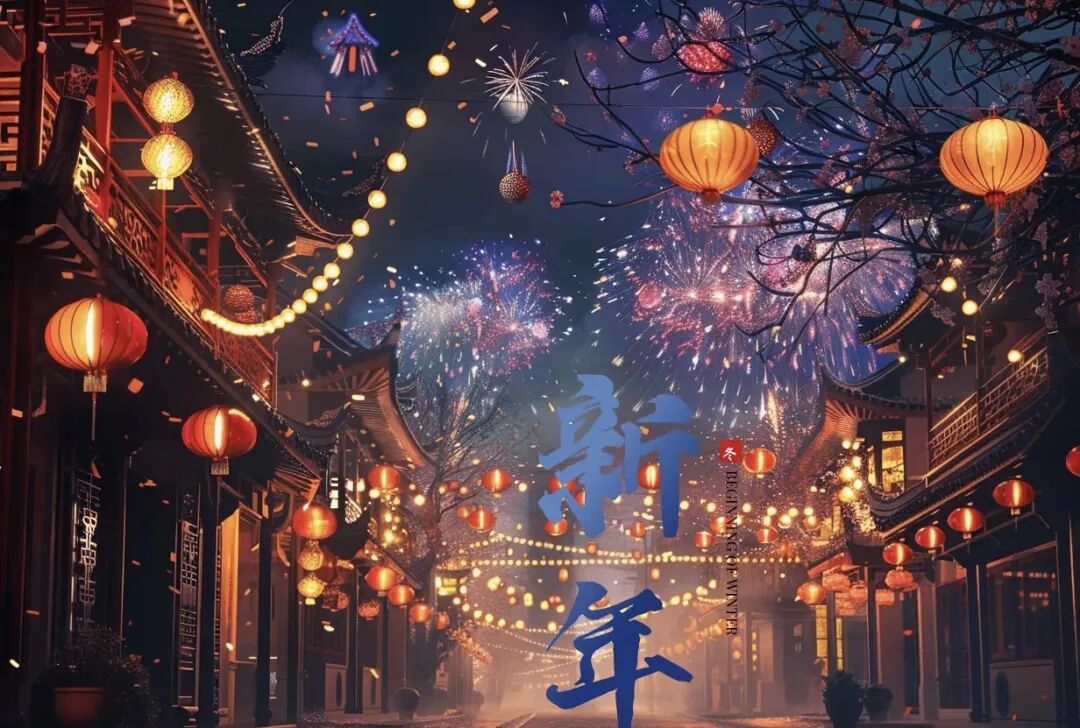
Falling on the first day of the lunar calendar, the Spring Festival celebration usually spans 15 days, from New Year’s Eve to the Lantern Festival. But its warmth begins long before the official start—weeks in advance, families start preparing for their big reunion. Streets are adorned with red lanterns, red couplets (poetic lines written on red paper) are pasted on doorframes, and every home is filled with the sweet aroma of traditional snacks being prepared. Red, the color of joy, luck and prosperity in Chinese culture, wraps the entire country in a warm, festive glow, chasing away the winter chill and the worries of the past year.
Reunion lies at the heart of the Spring Festival, and nothing captures this better than the New Year’s Eve dinner. No matter how far they are from home—whether working in another city or studying abroad—people will do their utmost to rush back to their families before New Year’s Eve. Around the dining table, loaded with a variety of delicious dishes, family members chat, laugh and share stories from the past year. Each dish carries a special meaning: dumplings symbolize good fortune and reunion, fish stands for surplus and prosperity (as the Chinese word for “fish” sounds the same as the word for “surplus”), and glutinous rice cakes represent progress and growth. It is more than just a meal; it is a moment of connection, where love and care are passed down with every bite.
After dinner, families gather in the living room to watch the Spring Festival Gala, a national tradition that has endured for decades. While enjoying the show, they make dumplings together, play games or talk about their wishes for the new year. As midnight draws near, the sky lights up with colorful fireworks and firecrackers. In ancient times, firecrackers were used to ward off evil spirits, but today, they are a way to celebrate new beginnings, express joy and welcome the new year with enthusiasm. The sound of fireworks echoes overhead, and the smiles on people’s faces shine brighter than the lights—this is the warmth of the Spring Festival, simple yet deeply moving.
On the first day of the new year, the celebrations go on with new traditions. Children put on bright, lively new clothes and go to greet their elders. In return, elders give them red envelopes (called “hongbao”) filled with money, wishing them health, happiness and good luck in the year ahead. This small red envelope holds not just money, but the profound love and blessings of the elders for the younger generation. Families also visit relatives and friends, exchanging greetings and good wishes. Every knock on the door is a greeting, every smile is a blessing, and every conversation is filled with warmth and kindness.
The Spring Festival is also a time to honor traditions and pass down culture. From pasting couplets to making dumplings, from setting off fireworks to giving red envelopes, every custom has a story behind it, carrying the wisdom and hopes of the Chinese people for thousands of years. It is a time when people put aside their busy lives, focus on their families and cherish the moments of togetherness. In a fast-paced world, the Spring Festival reminds us of the importance of family, love and connection—it is a warm haven where we can always find comfort and strength.