Product Name | BAAPE (Ethyl Butylacetylaminopropionate) |
| CAS | 52304-36-6 |
Quality Standard | Standard |
Product Grade | Cationic Emulsifiers |
Place of Origin | China |
Dangerous Goods | No |
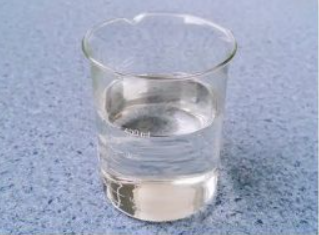
BAAPE, commonly known as insect repellent ester or IR3535, is a broad-spectrum and highly effective insect repellent. It is a mainstream mild alternative to DEET (N,N-Diethyl-meta-toluamide) and is widely used in daily chemical and outdoor repellent products due to its low irritation, excellent stability, and sweat resistance. At room temperature, BAAPE appears as a colorless to pale yellow transparent liquid, which can effectively repel a variety of blood-sucking insects such as mosquitoes, ticks, and horseflies.
- General Names: Insect repellent ester, BAAPE; Chemical Name: Ethyl butylacetylaminopropionate; CAS Number: 52304-36-6.
- Key Properties: It has a purity of ≥98% and a water content of ≤0.5%. The pH value of its 5% aqueous solution ranges from 4.0 to 6.0. It features outstanding thermal stability and sweat resistance, is not easily hydrolyzed, and exhibits good compatibility with most cosmetic raw materials.
- Repellent Mechanism: BAAPE works by volatilizing and forming a protective barrier on the skin surface. This barrier interferes with the chemical sensors on insect antennae, preventing them from recognizing human body odors and thus avoiding bites. It is worth noting that BAAPE is a repellent rather than an insecticide and has no killing effect on insects.
Compared with DEET, BAAPE has obvious advantages in terms of mildness and material compatibility. It is low-irritating, making it suitable for sensitive skin and children. Unlike DEET, which may corrode some plastics and synthetic materials, BAAPE has little damage to plastics and paints, so it can be safely used with daily items such as plastic containers and clothing.
In terms of efficacy duration, BAAPE delivers medium-to-long-lasting protection. At a concentration of 15%, it can provide 8–10 hours of continuous repellency, which is longer than DEET at the same concentration. Its good sweat resistance ensures that the repellent effect will not be quickly lost due to sweating, making it suitable for high-activity outdoor scenarios. In terms of safety, BAAPE has low toxicity and negligible skin penetration, so it is recommended by many international authoritative institutions for daily use.
- Repellent Liquids and Floral Waters: BAAPE is added at a concentration of 5%–15%, providing 4–8 hours of protection, which is ideal for daily commuting and short-distance outdoor activities.
- Repellent Lotions and Creams: Alcohol-free formulations containing BAAPE are suitable for infants, young children, and people with sensitive skin. Combined with moisturizing ingredients, they can reduce the risk of skin dryness caused by long-term use.
- Aerosols and Sprays: BAAPE has high adaptability and can be applied to both skin and clothing, making it a perfect choice for long-time outdoor activities such as camping and hiking.
- Outdoor Gear Treatment: BAAPE is used to make repellent coatings for tents, sleeping bags, mosquito nets, and other fabrics, enhancing the environmental protection against insects and creating a bug-free outdoor living space.
- Occupational Protection: It is an essential ingredient in long-lasting repellent products for workers in fields such as oilfields, forestry, and geology. These products can effectively repel a variety of blood-sucking insects including horseflies and sandflies, reducing the risk of insect-borne diseases during field operations.
- BAAPE can be formulated into various dosage forms such as ointments, gels, and microcapsules. It can also be added to wet wipes and sunscreen lotions to endow these products with insect repellent functions, realizing the integration of sun protection and repellency.
- It is used in pet external repellent products (with strictly controlled concentrations) to repel external parasites such as fleas and ticks, protecting pets from parasite infestations.
- Compliant Concentration: The common addition concentration of BAAPE in daily chemical products is 5%–15%. For products designed for children, the concentration is recommended to be ≤10% to meet the insect repellent use specifications of various countries and regions.
- Safety Precautions: Avoid contact with eyes and damaged skin. If accidental contact occurs, rinse thoroughly with clean water for 15 minutes. People who are allergic to BAAPE should not use products containing this ingredient.
- Storage and Compatibility: Store BAAPE in sealed containers in a cool and well-ventilated place, away from heat sources and strong oxidants. Avoid mixing it with strong alkaline raw materials, as this may cause decomposition and loss of efficacy.


 Product Introduction