

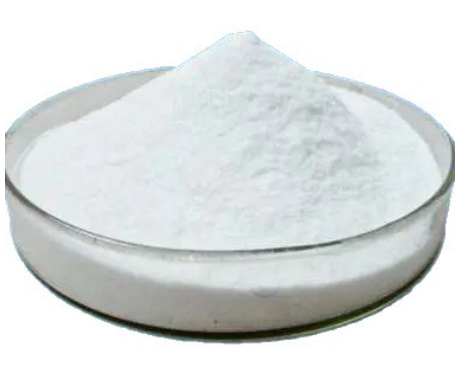
Polyethylene Glycol 6000 Distearate
 Product Introduction
Product NamePolyethylene Glycol 6000 DistearateCAS9005-08-7Quality StandardStand
- Model:
- Update Time:2025-12
- Manufacturer Type:
- Views:
Product Name | Polyethylene Glycol 6000 Distearate |
| CAS | 9005-08-7 |
Quality Standard | Standard |
Product Grade | Cationic Emulsifiers |
Place of Origin | China |
Dangerous Goods | No |
Polyethylene Glycol 6000 Distearate, abbreviated as PEG 6000 Distearate, is a non-ionic surfactant synthesized through the esterification reaction of polyethylene glycol with a molecular weight of 6000 and stearic acid. It typically exists as a white to off-white waxy solid or flaky powder with a faint characteristic odor. At room temperature, it is insoluble in cold water but can disperse well in hot water to form a stable, creamy dispersion; it also shows good miscibility with most organic solvents such as ethanol and ether.
This surfactant combines the properties of both polyethylene glycol and fatty acid esters, featuring excellent emulsifying, thickening, pearlescent, and stabilizing capabilities. It has good compatibility with anionic, cationic, and other non-ionic surfactants, making it a versatile functional ingredient widely used in daily chemical products, pharmaceuticals, and industrial formulations. Moreover, it exhibits low irritation to the skin and eyes, meeting the safety standards for cosmetic and personal care applications.
Core Properties
Excellent Emulsifying PerformancePEG 6000 Distearate can effectively reduce the surface tension between oil and water phases, enabling the formation of stable oil-in-water (O/W) emulsions. It has a strong ability to encapsulate oil-soluble ingredients, preventing phase separation of emulsified systems during storage, temperature changes, or transportation. This makes it a preferred emulsifier for creamy or lotion-like formulations.
Outstanding Thickening and Stabilizing EffectsWhen added to surfactant solutions, it can significantly increase the viscosity of the system by forming a network structure with other ingredients, improving the overall texture and consistency of products. It also enhances the stability of formulations, preventing the precipitation or stratification of active ingredients, and extending the shelf life of finished products.
Natural Pearlescent AppearanceOne of its most valued properties is its ability to impart a smooth, elegant pearlescent luster to aqueous formulations. When dispersed in hot water and cooled slowly, it crystallizes into fine lamellar particles that scatter light uniformly, creating a visually appealing pearlescent effect without the need for additional pearlescent agents.
Low Irritation and Good BiocompatibilityCompared with many synthetic surfactants, PEG 6000 Distearate has mild properties and low irritation to the skin and eyes. It does not disrupt the skin’s natural barrier function and is suitable for use in products targeted at sensitive skin and baby care, complying with international cosmetic safety regulations.
Main Application Fields
1. Daily Chemical and Cosmetics Industry
This is the primary application field of PEG 6000 Distearate, where it plays multiple roles in various personal care products.
Hair Care Products: It is widely added to shampoos, conditioners, and hair rinses. As an emulsifier and thickener, it improves the viscosity and texture of the products, while its pearlescent property enhances the visual appeal of clear or translucent formulations. It also helps to condition hair, reducing static electricity and improving combability.
Body Cleansing Products: In body washes, hand soaps, and shower gels, it acts as a co-emulsifier and pearlescent agent, making the products smooth and easy to rinse, while leaving a mild, non-sticky after-feel on the skin.
Skin Care Products: Used in moisturizing creams, lotions, and facial cleansers, it helps to stabilize the emulsion system, ensuring uniform distribution of active ingredients such as moisturizers and vitamins. It also improves the spreadability of the products, making them easy to apply and absorb.
2. Pharmaceutical Industry
PEG 6000 Distearate serves as a pharmaceutical excipient with good biocompatibility. It is used as an emulsifier, solubilizer, and stabilizer in oral suspensions, topical ointments, and creams, helping to improve the solubility of poorly water-soluble drugs and enhance the stability of pharmaceutical formulations. Its mild properties also make it suitable for use in dermatological preparations for sensitive skin.
3. Industrial Applications
Textile Industry: It is used as a softener and antistatic agent in textile finishing processes. Applied to natural and synthetic fibers, it imparts a smooth, soft hand feel to fabrics and reduces static electricity, preventing fibers from clinging to each other during processing and use.
Pesticide Formulations: As an emulsifier and dispersant in pesticide emulsifiable concentrates and water-dispersible granules, it helps to disperse oil-soluble pesticide active ingredients evenly in water, improving the efficacy and stability of pesticide products.
Industrial Cleaning Agents: Incorporated into industrial detergents and cleaners, it enhances the emulsifying and cleaning capabilities of the products, effectively removing oil stains and dirt from metal surfaces, textiles, and hard surfaces.
Storage and Usage Notes
Storage ConditionsStore PEG 6000 Distearate in sealed containers, placed in a cool, dry, and well-ventilated warehouse. Avoid direct sunlight, high temperatures (storage temperature should not exceed 40°C), and moisture, as these factors may cause the product to clump, degrade, or lose its functional properties. Under proper storage conditions, its shelf life is typically 24 months.
Usage Precautions
For optimal performance, heat the product to 70–80°C along with water or surfactant systems, and stir thoroughly until it is completely dispersed or dissolved. Slow cooling after heating can help to maximize the pearlescent effect in formulations.
During industrial handling, avoid inhaling large amounts of dust and prevent direct contact with the eyes. If accidental eye contact occurs, rinse thoroughly with clean water immediately.
It has good compatibility with most ingredients, but it is recommended to conduct compatibility tests before large-scale formulation, especially when combining with strong acidic or alkaline substances.