Product Name | |
| CAS | 99-76-3 |
Quality Standard | Standard |
Product Grade | Cationic Emulsifiers |
Place of Origin | China |
Dangerous Goods | No |
Methylparaben, also well-known as methyl 4-hydroxybenzoate, is a commonly used synthetic organic preservative belonging to the paraben family. It features strong stability and a broad antibacterial spectrum, which makes it a widely applied ingredient across multiple industries.
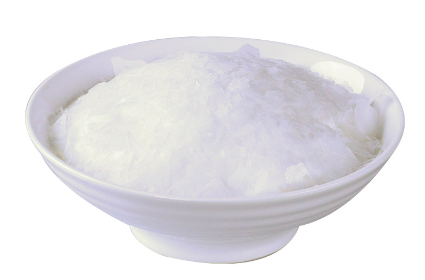
In terms of physical characteristics, methylparaben appears as a white crystalline powder with little to no odor or a slight characteristic fragrance, and it has a slightly bitter and numbing taste. It is poorly soluble in cold water but highly soluble in organic solvents such as ethanol, ether and acetone, while its solubility increases significantly in hot water. With a melting point ranging approximately from 125 to 128 degrees Celsius and a boiling point between 270 and 280 degrees Celsius, it shows good chemical stability and is not easy to decompose under normal temperature conditions or in weak acid and weak base environments.
Chemically, methylparaben contains hydroxyl and ester groups in its molecular structure, thus exhibiting the typical reaction characteristics of phenolic and ester compounds. For instance, it can react with alkalis to form salts, and its ester groups can undergo hydrolysis under strong acid or strong base conditions to produce 4-hydroxybenzoic acid and methanol. Additionally, it has a certain antioxidant capacity, which can inhibit free radical reactions to a certain extent.
Regarding safety, methylparaben has good antibacterial efficacy with low toxicity. When used within the specified dosage limits, it is harmless to human health and is recognized internationally as a safe preservative. However, some individuals may experience skin allergic reactions to it. Moreover, excessive intake or long-term exposure to high concentrations of methylparaben may pose potential impacts on the human body. Therefore, countries around the world have established clear limits on its addition level in various products.
This is the most primary application field of methylparaben. It has a broad-spectrum inhibitory effect on microorganisms such as molds, yeasts and bacteria, which can effectively extend the shelf life of cosmetics and prevent product spoilage. It is commonly added to various daily chemical products including facial creams, lotions, lip balms and hand creams. Compared with other preservatives, it maintains a good antibacterial effect within a wide pH range of 4 to 8 and has good compatibility with other ingredients in cosmetics. The addition level of methylparaben in such products is usually controlled between 0.05% and 0.3%.
As a food preservative, methylparaben can be applied to a variety of food products such as jams, fruit juices, beverages, pastries, preserves, soy sauce and vinegar. It can inhibit the growth and reproduction of microorganisms in food, delay food deterioration, and maintain the flavor and quality of food. The use of methylparaben in food must strictly comply with national standards to ensure food safety. For example, the maximum allowable dosage in carbonated drinks and pastries is strictly regulated.
In the pharmaceutical field, methylparaben is often used as a preservative for liquid preparations, such as oral solutions, external lotions, ointments and eye drops. It can prevent microbial contamination of pharmaceutical preparations and ensure the stability and effectiveness of drugs. In addition, preservative solutions containing methylparaben are also used in the disinfection and preservation of some medical devices, avoiding bacterial growth during the storage of such devices.
Methylparaben can also serve as a high-quality additive in the feed industry, especially in the production of feed for aquatic products and livestock. It can improve the nutritional value of feed, promote the growth and development of animals, enhance their immunity and reduce the incidence of diseases. Besides, in industrial products like coatings and adhesives, adding an appropriate amount of methylparaben can inhibit the growth of microorganisms during product storage and use, preventing product spoilage and odor.


 Product Introduction