Product Name | Guar Hydroxypropyltrimonium Chloride |
| CAS | 65497-29-2 |
Quality Standard | Standard |
Product Grade | Cationic Emulsifiers |
Place of Origin | China |
Dangerous Goods | No |
Guar hydroxypropyltrimonium chloride is a modified cationic derivative derived from natural guar gum. It is produced through a series of chemical modification processes, mainly by introducing quaternary ammonium groups into the molecular structure of guar gum. This modification not only retains the excellent water-soluble and thickening properties of natural guar gum but also endows it with unique cationic characteristics, making it widely used in various industries, especially in the personal care and cosmetics sector.
In terms of physical traits, guar hydroxypropyltrimonium chloride usually exists as an off-white to light yellow powder or granular solid, with good fluidity and no obvious pungent odor. It has excellent water solubility—unlike some water-insoluble polymers, it can dissolve quickly in cold or hot water without forming lumps easily, and the prepared aqueous solution has good transparency.
The most prominent property of this modified polymer is its cationic activity. Its molecular chains carry positive charges, which allows it to form stable electrostatic interactions with substances carrying negative charges, such as hair and skin surfaces. This characteristic is the key to its wide application in personal care products. In addition, it has good compatibility with most surfactants, thickeners and other additives, and is not easy to produce precipitation or delamination when compounded with other ingredients. It also shows stable performance in a wide pH range, not easy to decompose or lose efficacy due to changes in acidity or alkalinity.
This is the core application field of guar hydroxypropyltrimonium chloride. It is widely used in hair care products such as shampoos, conditioners, hair masks and leave-in hair treatments. When applied to hair, its cationic groups can adsorb firmly to the negatively charged hair surface, forming a smooth and elastic protective film. This film can effectively reduce friction between hair strands, prevent hair from tangling and breaking, and make hair soft, shiny and easy to comb. For dry, frizzy or damaged hair, it can replenish moisture and improve the overall texture of hair, restoring its healthy state.
In skin care products, it also plays a role in thickening and conditioning. It can be added to lotions, creams and body washes to adjust the viscosity of the product, making the texture more delicate and easy to apply. At the same time, it can adsorb on the skin surface, helping to lock in skin moisture, enhance the skin's moisturizing ability, and make the skin feel smooth and not sticky.
In the textile field, guar hydroxypropyltrimonium chloride is used as a fabric softener and antistatic agent. Its cationic groups can combine with the anionic groups on the fiber surface, improving the softness and smoothness of the fabric, especially for cotton, wool and other natural fibers. Treated fabrics are less likely to generate static electricity, which solves the problem of fabric sticking to the body or attracting dust. In addition, it can also be used as a sizing agent auxiliary to improve the adhesion of the sizing agent to the yarn and enhance the strength of the yarn.
It serves as an efficient paper strengthening agent and retention aid in papermaking. When added to the papermaking slurry, its cationic groups can adsorb on the negatively charged pulp fibers, promoting the aggregation of fibers and improving the dry and wet strength of the paper. Meanwhile, it can help retain fine fibers and fillers in the slurry, reducing the loss of raw materials during the papermaking process and improving the yield of paper products. The paper treated with it also has better smoothness and printability.
In the water treatment industry, it can be used as a flocculant auxiliary. Its cationic properties can neutralize the negative charges of suspended particles in water, promoting the coagulation and sedimentation of particles and improving the purification effect of water. In addition, it is also used in the production of daily chemical products such as detergents, playing a role in thickening and stabilizing the product system.


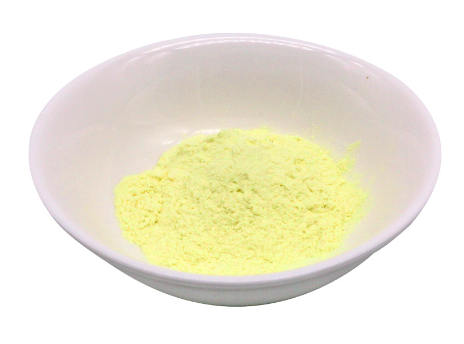
 Product Introduction