

Sodium Sulfate Anhydrous

Product Introduction

Product NameSodium Sulfate AnhydrousCAS7757-82-6.Quality StandardStandardProduct

Model:
Update Time:2025-12
Manufacturer Type:
Views:

Product Name

Sodium Sulfate Anhydrous

CAS7757-82-6.

Quality Standard

Standard

Product Grade

Cationic Emulsifiers

Place of Origin

China

Dangerous Goods 

No
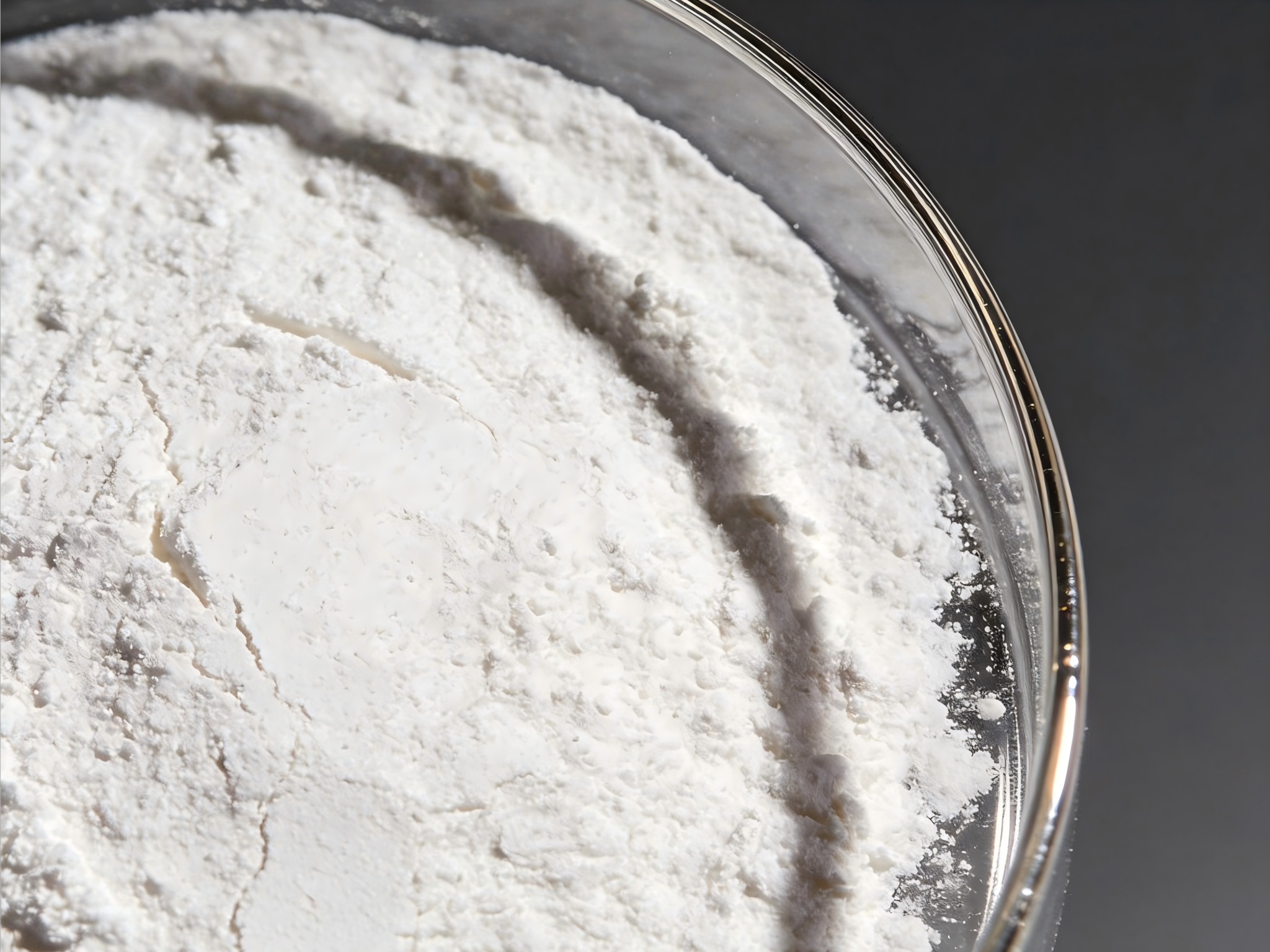
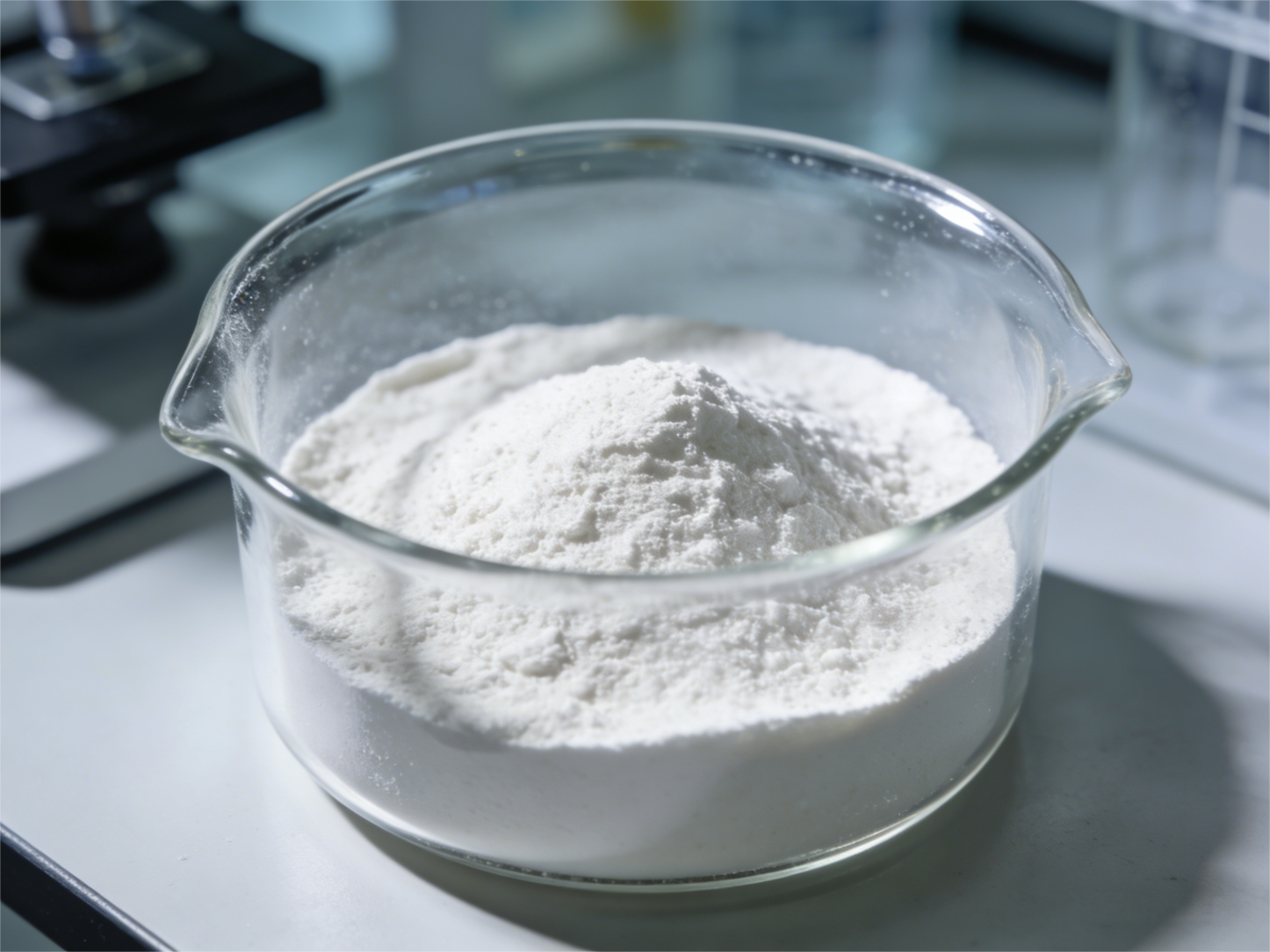
Sodium sulfate anhydrous is an inorganic salt with the chemical formula of Na₂SO₄. It appears as a white, odorless, crystalline powder or granular solid, which is highly soluble in water and shows excellent chemical stability under normal temperature and pressure.
It is widely sourced—either produced via chemical synthesis or extracted from natural mineral deposits (such as thenardite). Characterized by its non-toxicity, low irritation, and good compatibility with most organic and inorganic ingredients, it has been widely used in multiple industries for a long time.

Applications

  1. Cosmetics and Personal Care Industry
    • Powder Products: It serves as a key filler and anti-caking agent in loose powders, pressed powders, and talcum powders. It can improve the texture of powder products, making them smoother and easier to spread, while preventing caking during storage.
    • Cleansing Products: Added to facial cleansers, body scrubs, and bath salts, it acts as a mild exfoliant to help remove dead skin cells gently; it can also adjust the viscosity of cleansing formulations and enhance the foaming effect.
    • Hair Care Products: It is used in some shampoos and hair conditioners as a thickener and viscosity regulator to optimize the product’s consistency and use experience.
  2. Textile Industry
    • It is a traditional and important dyeing auxiliary, known as "dyeing salt" in textile production. It helps promote the absorption of dyes onto textile fibers (especially for reactive dyes), improves dyeing uniformity, and enhances the color fastness of dyed fabrics.
  3. Detergent and Cleaning Industry
    • It is used as a filler and processing aid in the production of synthetic detergents. It can adjust the active ingredient concentration of detergents, reduce production costs, and improve the fluidity of detergent powder for easier molding.
  4. Other Industrial Fields
    • Chemical Manufacturing: It is a raw material for producing sodium sulfide, sodium silicate, and other chemicals.
    • Construction Industry: Mixed into cement, it can adjust the setting time of cement and improve the early strength of concrete.
    • Pharmaceutical Industry: Used as an osmotic laxative in small doses, and as a drying agent for some pharmaceutical raw materials.