Product Name | |
CAS | 27503-81-7 |
Quality Standard | Standard |
Product Grade | Cationic Emulsifiers |
Place of Origin | China |
Dangerous Goods | No |
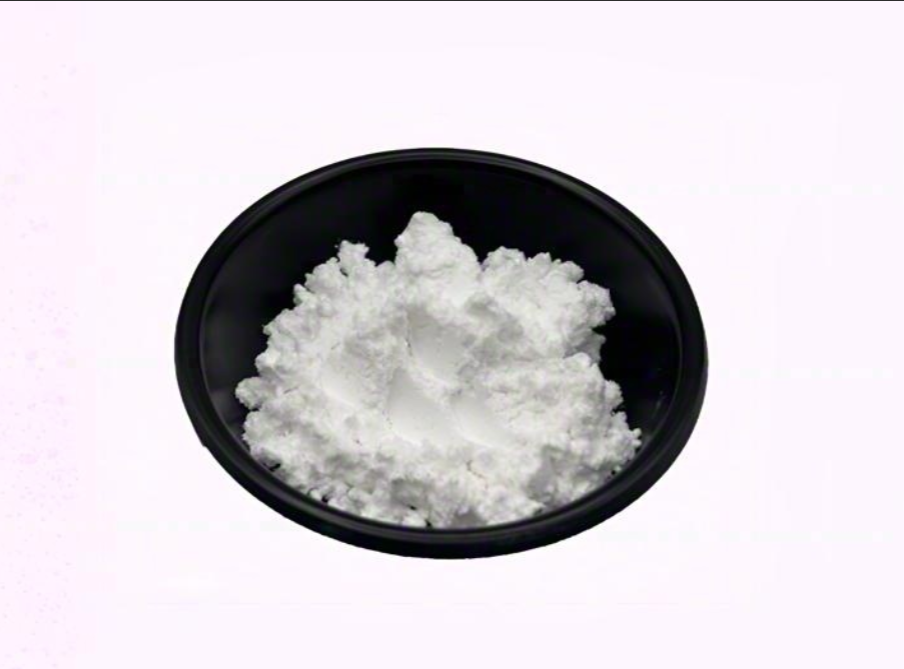
Phenylbenzimidazole sulfonic acid is a widely used organic compound that is best known for its excellent ultraviolet (UV) absorption properties, especially in the UVB range. As a water-soluble UV filter, it has gained significant popularity in the personal care and cosmetics industry due to its high safety profile and effective sun-protective performance.
In terms of its core characteristics, phenylbenzimidazole sulfonic acid is highly compatible with aqueous formulations, which makes it easy to incorporate into various water-based products. Unlike some oil-soluble UV filters, it does not add excessive greasiness to the final products, helping to maintain a lightweight and comfortable texture. It also shows good stability under normal storage conditions and does not easily decompose when exposed to light, ensuring long-lasting UV protection efficacy.
The primary application of phenylbenzimidazole sulfonic acid lies in the production of sun care products. It is a key active ingredient in sunscreens, sun lotions, sun creams and after-sun products, where it works by absorbing harmful UVB rays that are responsible for skin redness, sunburn and long-term skin damage such as premature aging. It can be used alone or in combination with other UV filters (including UVA filters) to achieve broad-spectrum sun protection.
Beyond sun care, this compound is also added to a variety of daily personal care products that require UV resistance. These include facial moisturizers with SPF, body lotions, lip balms and even some hair care products. In these products, it not only protects the skin and hair from UV damage but also helps to prevent the degradation of other active ingredients in the formulations caused by ultraviolet radiation, thus extending the shelf life of the products.
In addition to the cosmetics field, phenylbenzimidazole sulfonic acid has limited applications in other industries. For example, it can be used as a UV stabilizer in certain water-based coatings and textiles, helping to reduce the fading and aging of materials caused by prolonged sun exposure. However, its use in these areas is relatively niche compared to its dominance in personal care products.


 Product Introduction