Product Name | |
| CAS | 123-99-9 |
Quality Standard | Standard |
Product Grade | Cosmetic Grade |
Place of Origin | China |
Dangerous Goods | No |
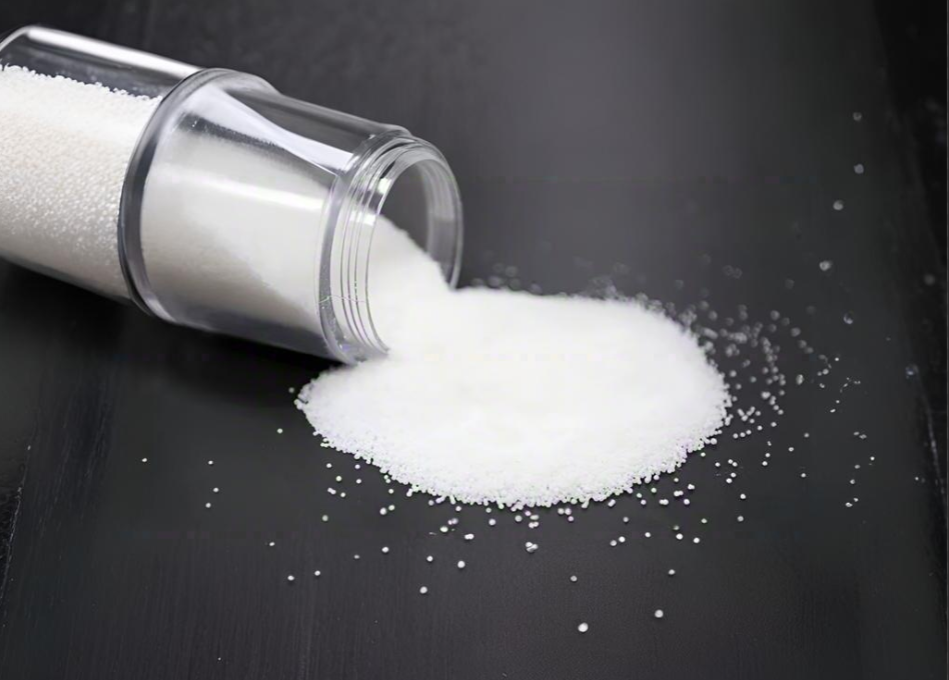
Azelaic acid, also known as nonanedioic acid or azelaic acid, is a naturally occurring saturated dicarboxylic acid that can be extracted from the yeast Malassezia furfur or produced through chemical synthesis. With a purity of 99%, this raw material features high stability, low impurity content, and excellent compatibility with various formulations, making it a widely used active ingredient in the pharmaceutical and cosmetic industries.
In the pharmaceutical field, azelaic acid exhibits notable antibacterial, anti-inflammatory, and keratolytic properties. It is primarily used in the treatment of acne vulgaris, as it can inhibit the growth of Propionibacterium acnes—the bacteria responsible for acne lesions—and reduce the inflammation associated with pimples, papules, and pustules. Additionally, it helps regulate keratinization, preventing the clogging of hair follicles and reducing the formation of comedones. Beyond acne treatment, azelaic acid is also effective in managing rosacea, relieving symptoms such as facial redness, flushing, and papular eruptions. It is generally well-tolerated, with minimal side effects even for long-term use, making it suitable for sensitive skin types.
In the cosmetic industry, 99% azelaic acid is a popular skincare ingredient valued for its multi-functional benefits. First, it acts as a gentle skin-brightening agent: it inhibits the activity of tyrosinase, a key enzyme in melanin production, and reduces the transfer of melanin to skin cells, thereby lightening dark spots, hyperpigmentation, and post-inflammatory hyperpigmentation left by acne or sun damage. Second, it strengthens the skin barrier by promoting the synthesis of ceramides, helping the skin retain moisture and resist external irritants. Third, its anti-inflammatory properties can soothe sensitive or irritated skin, alleviating redness and discomfort caused by environmental stressors. Unlike some harsh brightening ingredients, azelaic acid is non-photosensitizing, meaning it does not increase skin sensitivity to sunlight, making it safe for daytime use.
Azelaic acid is compatible with a wide range of other skincare ingredients, including niacinamide, hyaluronic acid, and vitamin C, and can be incorporated into serums, creams, gels, and toners. At recommended concentrations, it is non-irritating and suitable for most skin types, including acne-prone, sensitive, and hyperpigmented skin.


 Product Introduction