

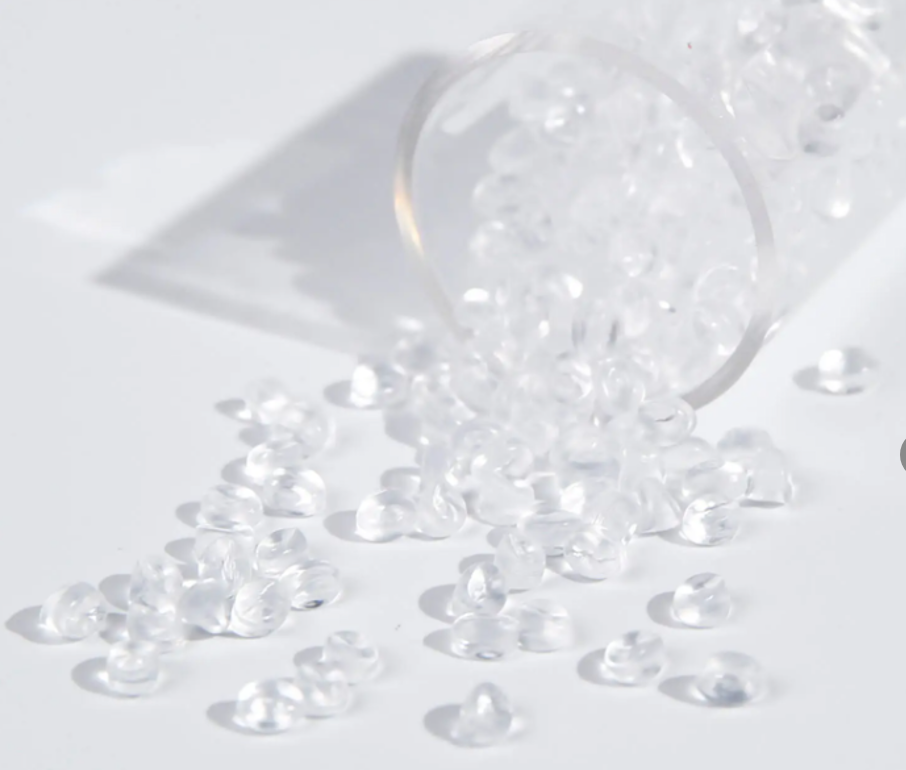
Vinyl Acetate is a colorless, flammable liquid with a pungent, sweet odor. It is a key organic monomer widely used in the chemical industry, primarily produced through the reaction of ethylene and acetic acid under the catalysis of palladium-based catalysts. It has good solubility in most organic solvents but is only slightly soluble in water.
With high reactivity, Vinyl Acetate readily undergoes polymerization and copolymerization reactions, making it a foundational raw material for the production of various polymer materials. It is highly volatile, and its vapors can form explosive mixtures with air, so strict safety precautions are required during storage, transportation and operation. Globally, it has a stable market demand, mainly driven by the production of adhesives, coatings and textile auxiliaries.
Core Functions of Vinyl Acetate
Production of polyvinyl acetate (PVAc) and its derivativesThis is the most primary and widely used application of Vinyl Acetate. Through polymerization, it can be made into polyvinyl acetate, a thermoplastic resin with excellent adhesion properties. PVAc is the core raw material for white latex, wood adhesives and paper coatings, widely used in construction, furniture manufacturing and packaging industries. Moreover, PVAc can be further modified to produce polyvinyl alcohol (PVA), which is an important raw material for the production of vinylon fibers, water-soluble films and textile sizing agents.
Preparation of copolymer resinsVinyl Acetate can copolymerize with a variety of monomers such as ethylene, vinyl chloride and acrylic esters to form high-performance copolymer resins. For example, ethylene-vinyl acetate copolymer (EVA) has excellent flexibility, impact resistance and low-temperature toughness, and is widely used in the production of shoe soles, cable insulation layers, hot-melt adhesives and photovoltaic cell encapsulation materials. Copolymers of Vinyl Acetate and vinyl chloride have improved processing performance and weather resistance, suitable for making PVC modified materials and coatings.
Manufacture of adhesives and sealantsThe polymers and copolymers synthesized from Vinyl Acetate have strong bonding strength and good compatibility with various substrates including wood, paper, fabric and plastic. Based on these characteristics, a series of adhesives and sealants can be prepared, such as water-based adhesives, hot-melt adhesives and pressure-sensitive adhesives, which are widely used in packaging, woodworking, construction and automotive assembly industries.
Production of coatings and textile auxiliariesVinyl Acetate-based resins can be formulated into water-based coatings with the advantages of low volatility, environmental protection and non-toxicity, suitable for interior wall coatings, wood coatings and metal anti-corrosion coatings. In the textile field, the polymers made from it can be used as textile sizing agents and finishing agents, which can improve the wear resistance, wrinkle resistance and dyeing performance of fabrics, and enhance the quality and added value of textile products.