Product Name | |
| CAS | 128-37-0 |
Quality Standard | Standard |
Product Grade | Pharma Grade |
Place of Origin | China |
Dangerous Goods | Yes |
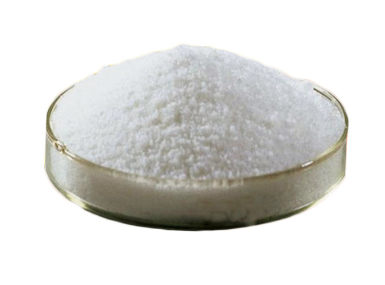
Di-tert-butyl-p-cresol, commonly referred to as BHT, is a well-known synthetic phenolic antioxidant. It appears as a white or pale yellow crystalline powder with a faint characteristic odor, and has good thermal stability and compatibility with a wide range of organic materials.
BHT is insoluble in water but highly soluble in organic solvents such as ethanol, ether, and hydrocarbons, as well as in oils, fuels, and various polymer systems. Since its commercial application in the mid-20th century, it has become one of the most widely used antioxidants in the petroleum, food, plastic, and rubber industries due to its low cost, high efficiency, and ease of use. It is chemically stable under normal storage conditions, but may decompose when exposed to strong acids, strong bases, or high temperatures for extended periods, reducing its antioxidant effectiveness.
Antioxidant for fuels and lubricantsThis is a key application of BHT in the petroleum industry. Adding a small amount of BHT to gasoline, diesel, aviation kerosene, or lubricating oils can effectively inhibit the oxidative deterioration of these petroleum products during storage and use. It scavenges free radicals generated by oxidation, breaks the chain reaction of oxidation, and prevents the formation of gums, sludge, and acidic substances in fuels and lubricants. This helps maintain the quality stability of petroleum products, extend their storage life, and avoid blockages in fuel pipelines or damage to engine components caused by oxidation by-products.
Stabilizer for polymers and plasticsBHT is widely used as a processing stabilizer and anti-aging agent for polyolefins such as polyethylene and polypropylene, as well as for synthetic rubbers, PVC, and other polymer materials. During the high-temperature processing of plastics, it can prevent thermal oxidative degradation of the polymer chains, maintaining the mechanical properties and processing performance of the materials. In daily use, it also slows down the aging process of plastic and rubber products caused by light, heat, and oxygen, delaying phenomena such as embrittlement, cracking, and discoloration, thus extending the service life of the products.
Preservative in food and feed industriesAs a legally approved food additive in many countries and regions, BHT is used in edible oils, fats, fried foods, and processed meat products to delay their oxidative rancidity, preserve flavor, and extend shelf life. It also plays a similar anti-corrosion role in animal feed, preventing the oxidation of feed fats and vitamins, ensuring the nutritional value of the feed, and avoiding adverse effects on animal growth caused by oxidized feed.
Antioxidant for cosmetics and personal care productsBHT is added to cosmetics, skin care products, and hair care products containing oils and fats. It inhibits the oxidative degradation of the oil components in these products, preventing the production of odorous substances and maintaining the stability of the product's texture and efficacy. It also helps reduce the potential irritation of oxidized products to the skin, improving the safety of personal care products during use.


 Product Introduction