

Lauric Acid
 Product Introduction
Product NameLauric AcidCAS143-07-7Quality StandardStandardProduct Grade Cosmetic
- Model:
- Update Time:2026-01
- Manufacturer Type:
- Views:
Product Name | Lauric Acid |
| CAS | 143-07-7 |
Quality Standard | Standard |
Product Grade | Cosmetic Grade |
Place of Origin | China |
Dangerous Goods | No |
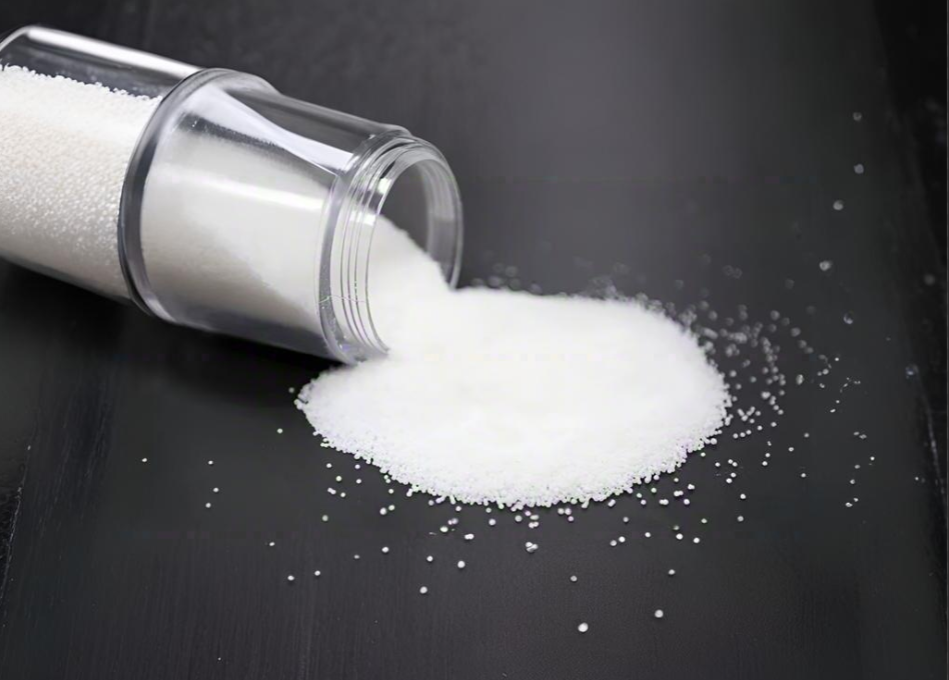
Lauric acid is a type of saturated fatty acid that exists widely in nature. It is most abundant in coconut oil and palm kernel oil, and can also be obtained through synthetic methods. It appears as a white, powdery or crystalline solid at room temperature, with a faint, characteristic odor. This fatty acid is insoluble in water but soluble in organic solvents like ethanol and ether. Thanks to its unique structural properties, lauric acid is widely used in the production of cosmetics, personal care products, detergents, and even in the food and pharmaceutical industries. It is recognized as safe for relevant applications when used within the specified range.
Core Benefits
- Excellent Surfactant and Cleansing Property
- Lauric acid is a key raw material for making anionic surfactants. When processed into derivatives like sodium laurate, it exhibits strong emulsifying and cleansing abilities, which can effectively break down oil stains and dirt on the skin and hair surface. It is commonly used in the formulation of soaps, body washes, and facial cleansers to create a rich lather and achieve a thorough cleansing effect.
- Antimicrobial and Antiviral Effects
- In its natural form or when converted into monolaurin in the body, lauric acid shows certain antimicrobial and antiviral activities. It can help inhibit the growth of some harmful bacteria and fungi on the skin surface, contributing to the maintenance of skin microecological balance. This property also makes it a valuable ingredient in some personal care products targeting acne-prone skin.
- Emulsifying and Stabilizing Function
- In cosmetic formulations such as creams and lotions, lauric acid acts as an emulsifier and co-emulsifier. It helps blend oil-based and water-based components together stably, preventing the product from separating and extending its shelf life. Meanwhile, it can adjust the texture of the product, making it more spreadable and comfortable to use.
- Nutritional Supplement Role
- In the food industry, lauric acid serves as a nutritional additive. It is a medium-chain fatty acid that can be quickly absorbed and metabolized by the body, providing a rapid source of energy. It is often added to special dietary products to meet the specific energy needs of certain groups of people.