

Myristic Acid
 Product Introduction
Product NameMyristic AcidCAS544-63-8Quality StandardStandardProduct GradeCosmeti
- Model:
- Update Time:2026-01
- Manufacturer Type:
- Views:
Product Name | Myristic Acid |
| CAS | 544-63-8 |
Quality Standard | Standard |
Product Grade | Cosmetic Grade |
Place of Origin | China |
Dangerous Goods | No |
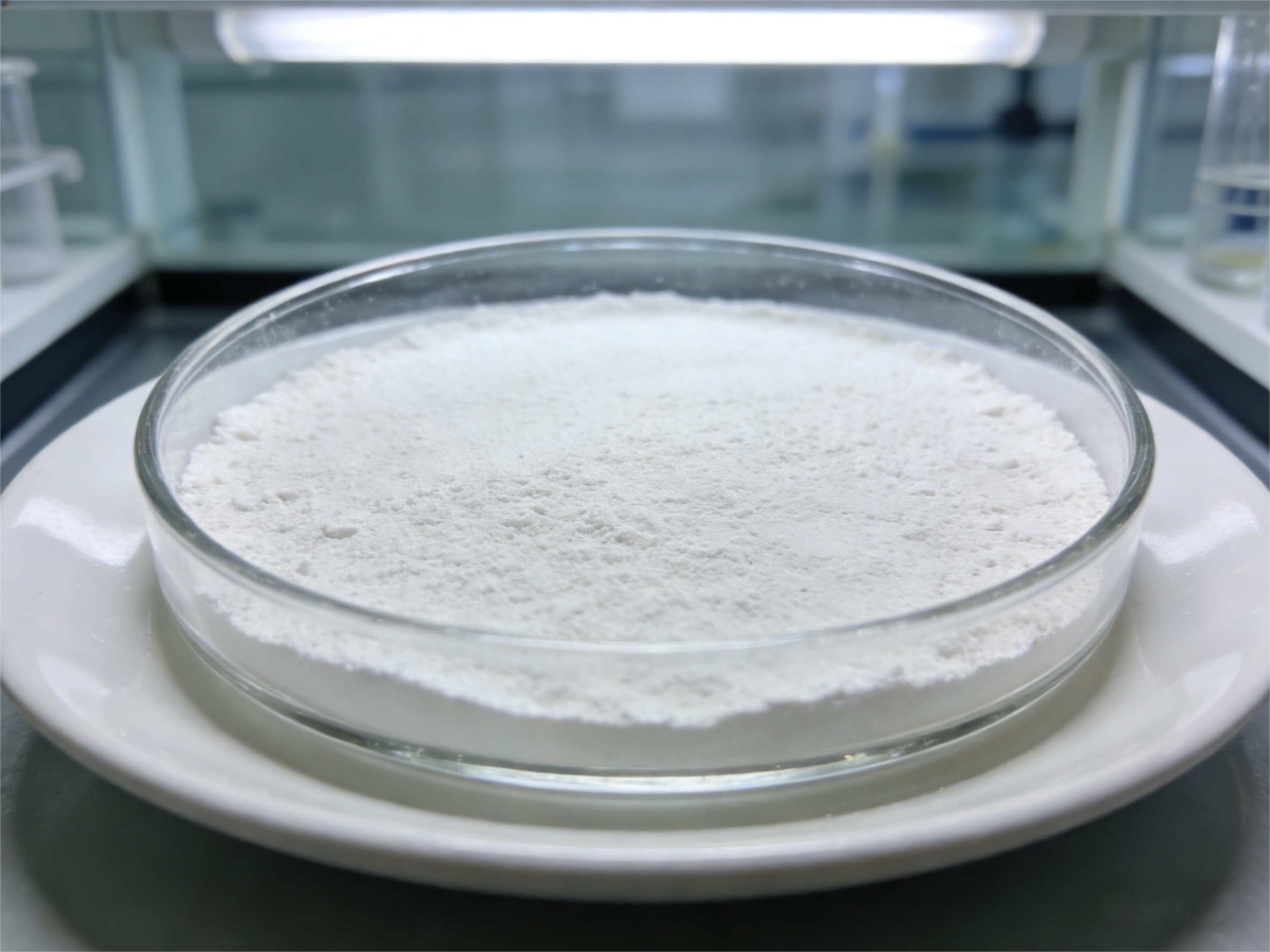
Myristic acid is a type of saturated fatty acid that occurs naturally in various plant and animal fats. It is most commonly found in nutmeg butter, coconut oil, palm kernel oil, as well as in butterfat and certain animal oils. At room temperature, it appears as a white, waxy crystalline solid with a faint, neutral odor. It is insoluble in water but dissolves well in organic solvents like ethanol, ether and vegetable oils. Thanks to its unique emulsifying, thickening and cleansing properties, myristic acid is widely used in the formulation of cosmetics, personal care products, detergents and even some food additives. It is regarded as safe for topical and limited food applications when used within the recommended concentration range.
Core Benefits
Cleansing and Surfactant Property
Myristic acid is a key raw material for synthesizing anionic surfactants. When processed into derivatives such as sodium myristate, it shows strong oil-dissolving and foaming abilities, which can effectively break down grease, dirt and residual cosmetics on the skin and hair surface. It is often added to soaps, facial cleansers and body washes to create rich, stable lather and achieve deep cleansing effects.
Emulsifying and Thickening Function
In skincare products like creams, lotions and balms, myristic acid acts as an emulsifier and co-emulsifier. It helps to stably blend water-based and oil-based ingredients together, preventing the product from separating during storage. Meanwhile, it can increase the viscosity of formulations, giving products a smooth, creamy texture that is easy to spread and apply.
Skin Conditioning Effect
When used in appropriate concentrations, myristic acid can form a mild protective film on the skin surface, helping to reduce transepidermal water loss and maintain skin hydration. It also contributes to improving the skin’s smoothness, making it a common conditioning ingredient in personal care products designed for dry and rough skin.
Industrial and Food Applications
Beyond personal care, myristic acid is used as a lubricant additive in some industrial fields, and as a texturizer or emulsifier in a small number of food products to adjust the consistency and stability of processed foods.