

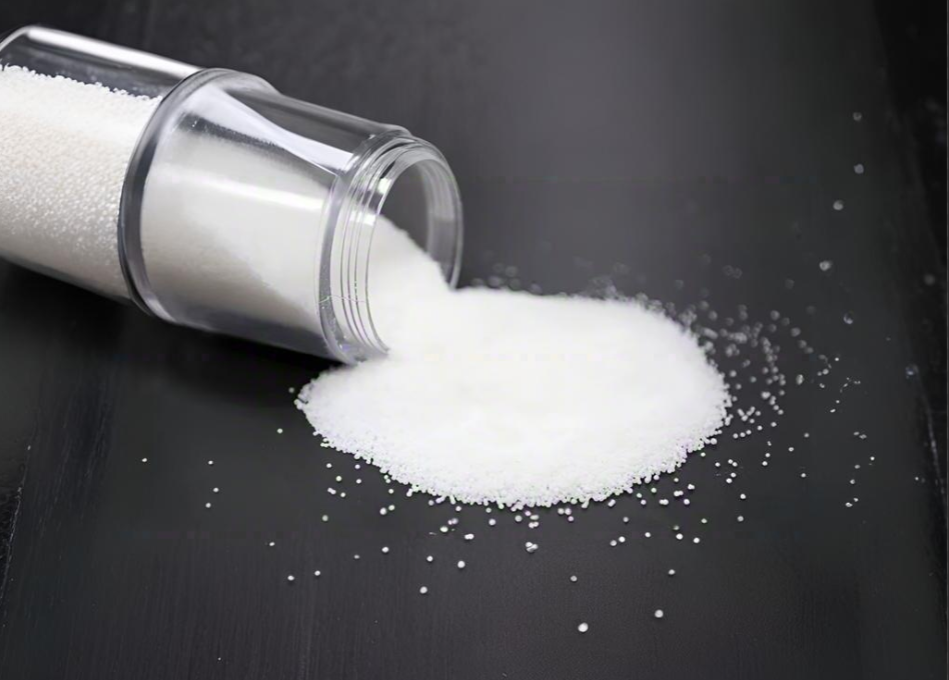
Hydroxypropyl Methyl Cellulose
 Product Introduction
Product NameHydroxypropyl Methyl CelluloseCAS9004-65-3Quality StandardStandardPr
- Model:
- Update Time:2026-01
- Manufacturer Type:
- Views:
Product Name | Hydroxypropyl Methyl Cellulose |
| CAS | 9004-65-3 |
Quality Standard | Standard |
Product Grade | Industrial Grade |
Place of Origin | China |
Dangerous Goods | No |
Hydroxypropyl Methyl Cellulose, commonly abbreviated as HPMC, is a non-ionic cellulose ether produced by modifying natural cellulose through a series of chemical reactions involving propylene oxide and methyl chloride. It is a versatile polymer that shows good solubility in cold water, forming a clear and viscous solution, while it is insoluble in hot water and most organic solvents.
It possesses outstanding comprehensive properties, including excellent thickening, water-retention, film-forming, emulsifying, and stabilizing capabilities. What makes it stand out is its adjustable viscosity and thermal gelation characteristics, which can be tailored according to different application requirements by changing the degree of substitution of hydroxypropyl and methyl groups.
In the construction industry, it is widely used as a key additive in cement-based materials, gypsum products, and tile adhesives. It effectively improves the workability of mixtures, reduces water loss during the curing process, enhances the adhesion strength between materials, and prevents cracking of the final products, thus ensuring the overall quality and durability of construction projects.
In the cosmetics and personal care field, it serves as a multifunctional ingredient in various formulations such as creams, lotions, shampoos, and hair styling products. It acts as a thickener to adjust the product texture, a stabilizer to prevent ingredient separation, and a film-forming agent to provide long-lasting moisturizing effects and styling hold for hair.
In the pharmaceutical industry, it is used as an important excipient in tablet and capsule formulations. It can act as a binder to enhance the hardness of tablets, a disintegrant to promote the dissolution of tablets in the digestive tract, and a sustained-release matrix to control the release rate of active pharmaceutical ingredients, thereby improving the bioavailability and therapeutic effect of drugs.