

PV Grid-Connection Cabinet
 Product Introduction
As a core electrical device in photovoltaic (PV) power plant systems, the PV Gri
- Model:
- Update Time:2026-01
- Manufacturer Type:
- Views:
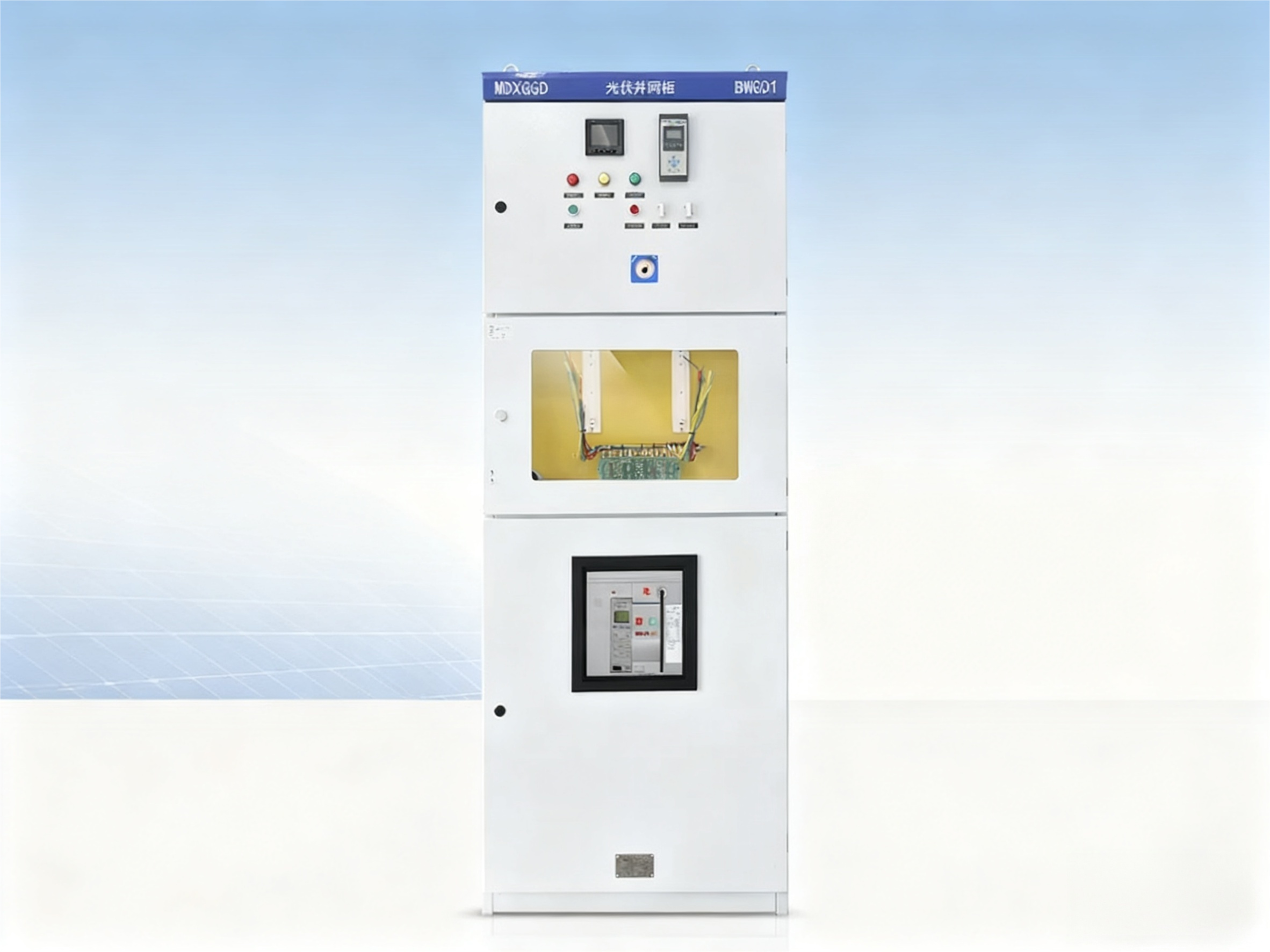
As a core electrical device in photovoltaic (PV) power plant systems, the PV Grid-Connection Cabinet undertakes the critical responsibilities of power collection, conversion, protection, and grid-connection access. Serving as a "bridge" linking PV modules, inverters, and the power grid, it is widely applicable to scenarios such as residential distributed PV systems, industrial and commercial rooftop PV systems, and large-scale ground-mounted PV power plants.
In terms of core functions, the cabinet boasts multiple practical features: It efficiently collects direct current (DC) generated by PV modules, which is converted into alternating current (AC) by the inverter, followed by voltage stabilization and filtering processes to ensure the output power quality meets grid access standards. Equipped with multiple safety protection modules including overload protection, short-circuit protection, leakage protection, and overvoltage/undervoltage protection, it continuously monitors the circuit operation status. Upon detecting abnormalities, it promptly cuts off the circuit to safeguard equipment, personnel safety, and grid stability.
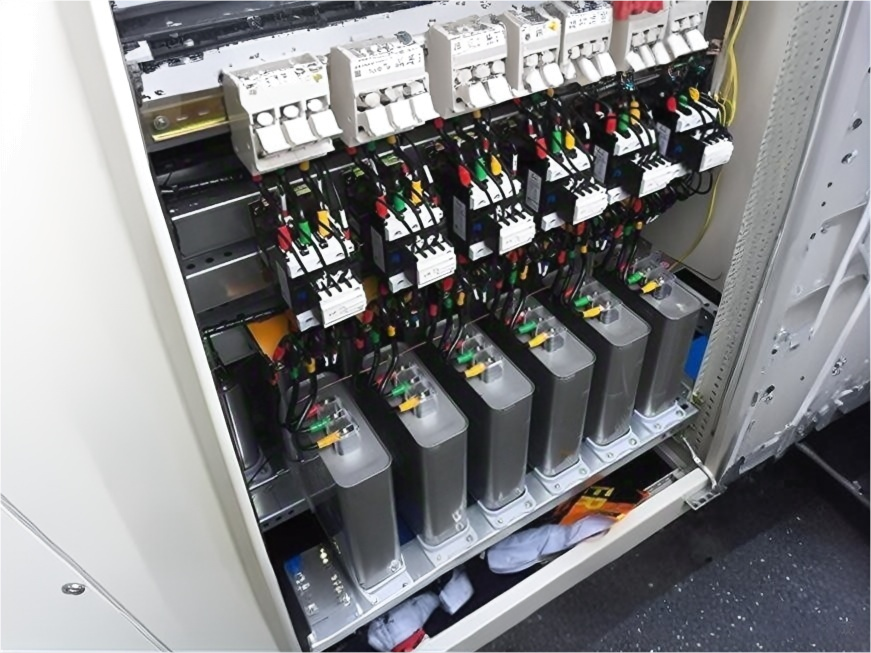
With excellent adaptability and compatibility, the cabinet can be flexibly configured with core components such as circuit breakers, contactors, and transformers of corresponding specifications based on the installed capacity, voltage level, and grid requirements of different PV power plants. It is compatible with mainstream brands of inverters and PV modules, meeting single-phase or three-phase grid-connection needs.
Crafted from high-quality cold-rolled steel via CNC processing, the cabinet offers reliable dustproof, waterproof, and rustproof performance with an IP54 protection rating, enabling long-term stable operation in various indoor and outdoor environments. Its reasonable internal layout and clearly marked terminal blocks facilitate later maintenance and capacity expansion modifications.