

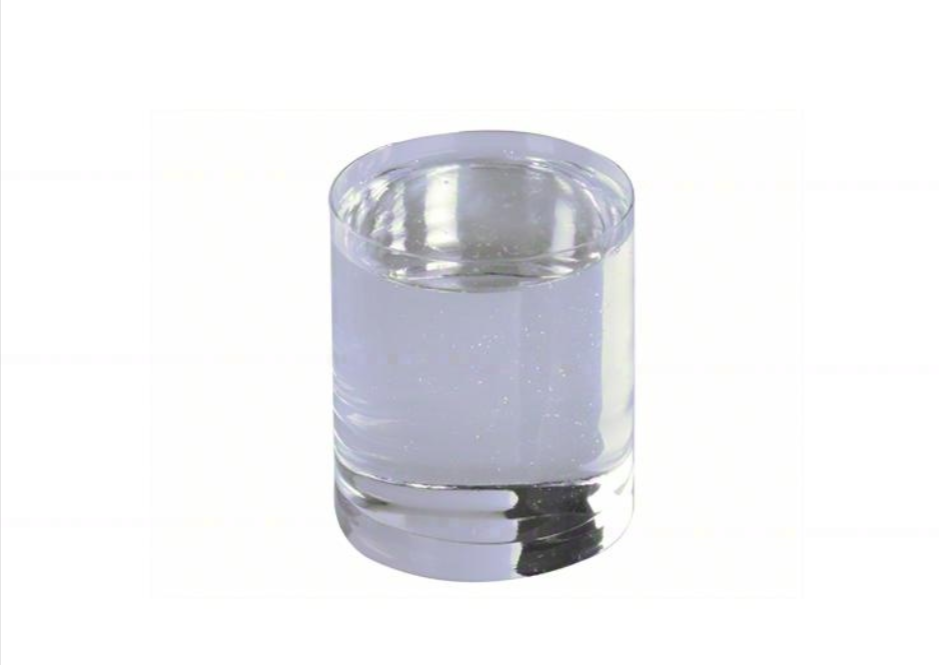
Liquid, Colorless, Odorless Light Liquid Paraffin
 Product Introduction
Product NameLiquid, Colorless, Odorless Light Liquid ParaffinQuality StandardSta
- Model:
- Update Time:2025-12
- Manufacturer Type:
- Views:
Product Name | Liquid, Colorless, Odorless Light Liquid Paraffin |
Quality Standard | Standard |
Product Grade | Cosmetic Grade |
Place of Origin | China |
| Dangerous Goods | No |
Introduction and Application Scenarios of Liquid, Colorless, Odorless Light Liquid Paraffin (Lubrication Purpose)
Light liquid paraffin (in liquid form, colorless and odorless) is a high-purity mineral oil with excellent lubricating properties, featuring stable chemical inertness, good fluidity, and low viscosity. Its lubrication function is widely applied in pharmaceutical, daily chemical, industrial and other fields due to these outstanding characteristics. The detailed introduction is as follows:
Basic Lubrication Characteristics
It forms a uniform and stable oil film on the surface of contact materials to reduce friction and wear between moving parts or interfaces.
With good fluidity and low viscosity, it can quickly penetrate into narrow gaps of components, ensuring comprehensive lubrication.
Chemically inert, it does not react with most substances, avoiding contamination of the lubricated objects or equipment.
Colorless, odorless and non-toxic, it is suitable for scenarios requiring high safety and hygiene standards.
Core Application Scenarios
Pharmaceutical Field
Intestinal Lubrication: As a typical lubricating application in medicine, it is not digested or absorbed by the intestines after oral administration. It forms an oil film on the intestinal wall and fecal surface, reducing friction between feces and the intestines, preventing excessive water absorption from feces by the intestines, softening the stool to facilitate smooth excretion, and is often used to relieve constipation.
Pharmaceutical-related Auxiliary Lubrication: In the production of oral drugs, it can be used as a capsule filler or lubricant to reduce the discomfort when swallowing drugs. In ophthalmic preparations, it acts as a lubricant to keep the eye surface moist and relieve dry eyes. Meanwhile, it is applied for the lubrication of pharmaceutical equipment, reducing friction and wear during equipment operation and ensuring normal production with its non-toxicity and chemical stability.
Daily Chemical Field
It is often added to skincare and hair care products as a lubricant and moisturizing ingredient. For example, in creams and body lotions, it forms a protective film on the skin surface to reduce skin damage caused by external friction and lock in moisture. In hair care essential oils and conditioners, its lubricating effect can reduce friction between hair strands, improve dry and frizzy hair, make hair smooth and easy to comb, and reduce the probability of hair breakage while combing.
Industrial Field
Light-load Machinery Lubrication: Due to its low viscosity and good fluidity, it is suitable for the lubrication of light-load mechanical components under medium-low speed and medium-low load conditions, such as gearboxes with a rotating speed lower than 3000rpm and bearings with a load less than 50MPa. It separates friction pairs by forming an oil film on the surface of metal components to reduce component wear.
Machinery Lubrication in Special Industries: In the food processing industry, it can be used as a lubricant for food machinery, meeting the equipment lubrication needs while complying with safety standards to avoid food contamination. In the textile industry, it is applied for the lubrication during fiber processing, reducing friction between fibers and between fibers and processing equipment, ensuring a smooth textile process, and endowing the finished fabrics with a softer hand feel.
Metal Rust Prevention and Lubrication Assistance: It has dual functions of lubrication and rust prevention. For the temporary rust prevention of metal parts such as storage equipment, applying a 5-10μm thick layer of light liquid paraffin can not only reduce friction caused by slight contact of equipment but also prevent moisture from contacting the metal surface with its hydrophobicity, providing a rust protection period of 3-6 months