

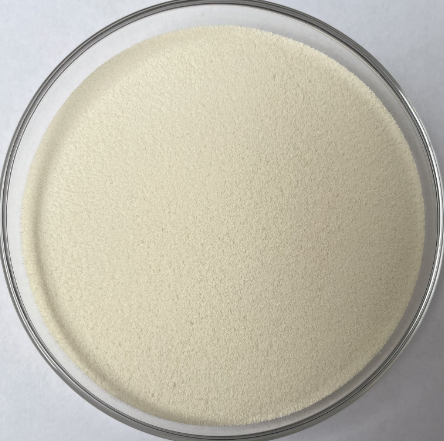
Cetylpyridinium Bromide

Product Introduction

Product NameCetylpyridinium BromideCAS140-72-7Quality StandardStandardProduct Gr

Model:
Update Time:2025-12
Manufacturer Type:
Views:

Product Name

Cetylpyridinium Bromide

CAS

140-72-7

Quality Standard

Standard

Product Grade

Cosmetic Grade

Place of Origin

China

Dangerous Goods

Yes
Cetylpyridinium Bromide, commonly abbreviated as CPB, is a type of cationic surfactant with multiple excellent properties including strong bactericidal, bacteriostatic, emulsifying and solubilizing capabilities. It features good surface activity, can effectively reduce the surface tension of solutions, and has high affinity with negatively charged microbial cell membranes, thus exerting a broad-spectrum antimicrobial effect.
The main applications of cetylpyridinium bromide cover the following fields:
  1. Oral care productsThis is the core application field of CPB. It can effectively inhibit the reproduction of bacteria in the oral cavity, reduce the formation of dental plaque and tartar, and alleviate oral problems such as gingivitis and oral ulcers. It is widely added to toothpaste, mouthwash, oral sprays and denture cleaning solutions.
  2. Daily chemical cleaning and disinfection productsTaking advantage of its bactericidal and surface-active properties, CPB is used to produce daily chemical products with disinfection functions, such as mild skin disinfectant gels, antibacterial hand sanitizers, laundry disinfectants and fabric softeners with antistatic effects.
  3. Pharmaceutical fieldIt is applied in the preparation of external disinfectant preparations, such as wound cleaning lotions and gynecological lotions, for the disinfection of skin and mucous membranes. Meanwhile, as a pharmaceutical excipient, it can serve as an emulsifier or solubilizer to help dissolve poorly soluble drugs and improve the stability of pharmaceutical preparations.
  4. Industrial and laboratory fieldsIn water treatment, it acts as a bactericide and algaecide for the disinfection of circulating cooling water and swimming pool water, inhibiting the growth of microorganisms in water. In analytical chemistry, it is used as a reagent for ion-pair chromatography, and also for the separation and determination of certain metal ions.