

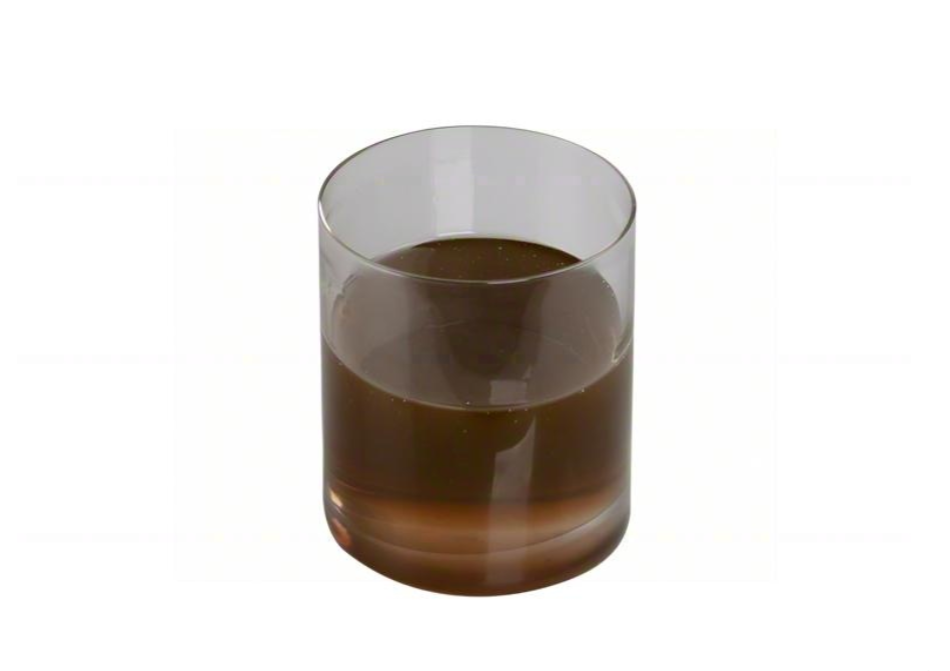
Piperazine
 Product Introduction
Product NamePiperazineCAS110 - 85 - 0Quality StandardStandardProduct GradePharma
- Model:
- Update Time:2025-12
- Manufacturer Type:
- Views:
Product Name | Piperazine |
| CAS | 110 - 85 - 0 |
Quality Standard | Standard |
Product Grade | Pharma Grade |
Place of Origin | china |
Dangerous Goods | No |
The molecule contains amino hydrophilic groups and polyisobutylene long carbon chains, endowing it with both hydrophilic and lipophilic properties. It is synthesized via a two-step process: first, polyisobutylene reacts with maleic anhydride to produce polyisobutylene succinic anhydride (PIBSA), a precursor; then, the precursor undergoes a reaction with polyethylenepolyamines such as diethylenetriamine. Common preparation processes include the chlorination method and thermal addition method. For instance, the T154A grade is produced by thermal addition using high-reactivity polyisobutylene with a molecular weight of 1000 as the raw material.
Key Physical Parameters
Density at 20℃: 890–935 kg/m³
Open flash point: ≥ 180℃
Kinematic viscosity at 100℃: 130–180 mm²/s
Nitrogen content: 1.20%–1.40%
Base number: 15.0–30.0 mgKOH/g
Additionally, the product is chlorine-free, complying with environmental standards.
Core Applications
Core Additive for Lubricating OilsThis is its primary application. It disperses impurities like sludge and carbon deposits in engines, preventing their deposition on metal surfaces, and neutralizes acidic substances generated during combustion. It is widely used in formulating mid-to-high grade gasoline engine oils, diesel engine oils, and marine cylinder oils, especially suitable for environment-friendly internal combustion engine oils, with a typical addition level of 2.0%–4.0%. When combined with high-base-number calcium sulfonate detergents, it can simultaneously address the issues of low-temperature engine sludge and high-temperature component carbon deposits.
Auxiliary Additive for FuelsWhen added to alcohol-based fuels such as M50 and M75 (at an addition level of 0.1%–1%), it reduces sediments from incomplete fuel combustion and lowers engine carbon deposit formation. Moreover, it serves as a fuel detergent to remove deposits from fuel injectors, ensuring fuel system cleanliness, improving combustion efficiency, and reducing harmful emissions.
Other Industrial Fields
Explosives Industry: It acts as an emulsifier for emulsion explosives, enhancing their water resistance and storage stability, and prolonging the stability period of the latex matrix.
Polymer Materials Field: It functions as a plasticizer and compatibilizer, improving the processing flexibility of materials and the compatibility between different polymers.
Coatings and Inks Industry: It is used to enhance the stability of coatings and inks.
Metalworking Fluids: It boosts the lubricating and antirust performance of metalworking fluids.