

p-Chlorophenylacetic
 Product Introduction
Product Namep-ChlorophenylaceticCAS1878 - 66 - 6Quality StandardStandardProduct
- Model:
- Update Time:2025-12
- Manufacturer Type:
- Views:
Product Name | p-Chlorophenylacetic |
| CAS | 1878 - 66 - 6 |
Quality Standard | Standard |
Product Grade | Industrial Grade |
Place of Origin | China |
Dangerous Goods | No |
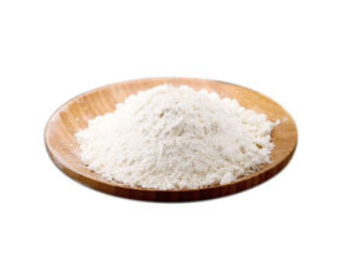
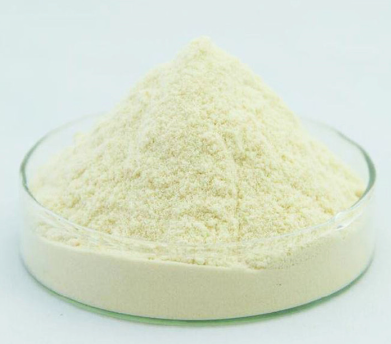
p-Chlorophenylacetic acid is an important halogenated aromatic organic compound. It appears as a white to off-white crystalline powder at room temperature, with a melting point ranging from 104–107°C. It is slightly soluble in water, but readily soluble in common organic solvents such as ethanol, ether, and chloroform.
The molecule contains a chlorophenyl group and a carboxyl group, which endow it with good chemical reactivity. It can undergo reactions like esterification, amidation, and substitution, making it a versatile intermediate in the synthesis of fine chemicals, especially in pharmaceutical and agrochemical production.
Core Applications
Pharmaceutical IndustryThis is the primary application field of p-chlorophenylacetic acid. It serves as a key intermediate for synthesizing a variety of pharmaceutical products. For example, it is widely used in the production of non-steroidal anti-inflammatory drugs (NSAIDs), central nervous system drugs, and antibacterial agents. Its chlorinated aromatic ring structure helps optimize the bioactivity and metabolic stability of drug molecules, enhancing the therapeutic effect and reducing side effects.
Agrochemical SectorIt acts as a precursor for synthesizing pesticides, including herbicides, insecticides, and fungicides. By introducing the p-chlorophenylacetic acid structure into pesticide molecules, the targeting ability and efficacy of pesticides can be improved, while reducing toxicity to non-target organisms and environmental impact, in line with the development trend of green agrochemicals.
Fine Chemicals and Material SynthesisIt is used in the preparation of specialty surfactants, dye intermediates, and polymer additives. For instance, the esters derived from it can be used as plasticizers for polymer materials, improving the flexibility and processing performance of products; it can also be used to synthesize functional dyes with excellent color fastness.
Laboratory ResearchIt is a common reagent in organic chemistry laboratories, often used in the design and synthesis of new organic molecules, as well as in the study of reaction mechanisms involving aromatic carboxylic acids.