

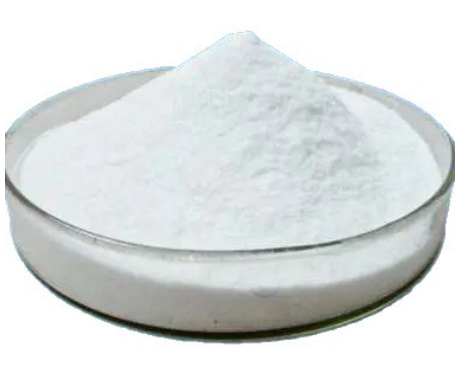

4-Bromo-N,N-dimethylaniline

Product Introduction

Product Name4-Bromo-N,N-dimethylanilineCAS586 - 77 - 6Quality StandardStandardPr

Model:
Update Time:2025-12
Manufacturer Type:
Views:

Product Name

4-Bromo-N,N-dimethylaniline

CAS

586 - 77 - 6

Quality Standard

Standard

Product Grade

Industrial Grade

Place of Origin

China

Dangerous Goods 

Yes
4-Bromo-N,N-dimethylaniline is an important brominated aromatic amine organic compound. Its molecular structure features a benzene ring with a bromine atom and a dimethylamino group attached at the para position relative to each other. At room temperature, it typically exists as a pale yellow to brownish crystalline solid, with a melting point ranging from 52 to 54°C and a boiling point of approximately 266°C.
It is slightly soluble in water, but dissolves readily in common organic solvents such as ethanol, ether, chloroform and benzene. The molecule has both electron-donating and electron-withdrawing functional groups, which endow it with excellent chemical reactivity. It can participate in a variety of organic reactions including cross-coupling reactions, electrophilic substitution reactions, and oxidation-reduction reactions, making it a valuable building block in organic synthesis processes.

Core Applications

  1. Pharmaceutical Manufacturing4-Bromo-N,N-dimethylaniline is a key intermediate in the synthesis of pharmaceutical products, especially for drugs targeting the central nervous system, antihistamines, and anti-infective agents. Its unique aromatic amine structure can be modified to optimize the bioavailability and target binding ability of drug molecules. For example, it can be used to synthesize certain antidepressant and antipsychotic drugs by introducing specific functional groups through coupling reactions.
  2. Agrochemical ProductionIt serves as an essential precursor for the synthesis of high-efficiency agrochemicals, including herbicides, insecticides and fungicides. By introducing the brominated dimethylaniline moiety into pesticide molecules, the stability and pesticidal activity of the final products can be significantly improved. The resulting pesticides exhibit strong selectivity, effectively controlling target pests and weeds while minimizing harm to non-target organisms and the ecological environment.
  3. Fine Chemicals and Material SynthesisIn the field of fine chemicals, it is widely used to produce specialty dyes, pigments and fluorescent materials. The compound’s conjugated aromatic structure enables it to absorb and emit light at specific wavelengths, making it suitable for manufacturing dyes for high-grade textiles and colorants for coatings. Additionally, it acts as a monomer or modifier in the synthesis of functional polymer materials, such as conductive polymers and corrosion-resistant coatings, enhancing the mechanical and chemical properties of the materials.
  4. Laboratory Research and Organic SynthesisAs a common aryl bromide reagent, 4-Bromo-N,N-dimethylaniline is extensively applied in organic chemistry research, particularly in the study of cross-coupling reactions. It provides a reliable platform for chemists to construct complex aromatic compounds, facilitating the development of new organic molecules and reaction mechanisms.