

Sodium Diisobutylnaphthalenesulfonate

Product Introduction

Product Name Sodium DiisobutylnaphthalenesulfonateCAS27213-90-7Quality StandardS

Model:
Update Time:2025-12
Manufacturer Type:
Views:

Product Name

 Sodium Diisobutylnaphthalenesulfonate

CAS

27213-90-7

Quality Standard

Standard

Product Grade

Industrial Grade

Place of Origin

China

Dangerous Goods

No
odium diisobutylnaphthalenesulfonate, commonly referred to as Penetrant BX or Nekal BX in the industrial field, is a type of high-performance anionic surfactant. Its core CAS number is 25638-17-9, and some industrial-grade products are also labeled with the CAS number 27213-90-7.

1. Basic Characteristics

  1. Physical Appearance
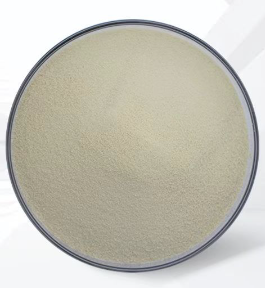
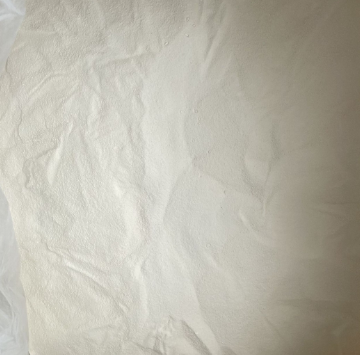
    It usually exists as off-white or slightly yellow powder. It has good water solubility, and its 1% aqueous solution is neutral to weakly alkaline, with a pH value ranging from 7 to 8.5. It has excellent surface activity, which can significantly reduce the surface tension of water, and also features outstanding penetration, wetting, emulsifying, dispersing and foaming properties.
  2. Chemical Stability
    It shows good resistance to acids, alkalis, hard water and inorganic salts. Adding a small amount of common salt can notably enhance its penetration ability. However, it will react with metal salts such as aluminum, iron, zinc and lead to generate precipitates. It is incompatible with cationic surfactants and cannot be used in mercerizing alkali baths.
  3. Safety Attribute
    It is not listed in the Catalogue of Hazardous Chemicals (2022 Edition) of China, and is not classified as flammable, highly toxic or corrosive hazardous goods in the UN GHS classification system. It is managed as a general chemical in routine transportation and storage.

2. Main Application Fields

  1. Textile Printing and Dyeing Industry
    This is one of the most important application fields of sodium diisobutylnaphthalenesulfonate. It acts as a high-efficiency penetrant and wetting agent, and is widely used in processes such as enzyme desizing, wool carbonization, scouring, bleaching, dyeing and printing of textiles. It can help the treatment liquid quickly penetrate into the fiber interior, improve the uniformity of processing and dyeing, and enhance the overall quality of textile products. The general dosage in the production process is 1% to 3%.
  2. Pesticide Industry
    It is an important auxiliary for preparing pesticide wettable powders and suspending agents. It can improve the wetting and dispersing performance of pesticide technical materials in water, increase the suspension rate of pesticide liquid, help the effective components adhere to crop surfaces better, enhance pesticide efficacy and reduce pesticide loss in the application process.
  3. Coating and Pigment Industry
    It is used as a wetting and dispersing agent in water-based coatings, latex paints and water-based inks. It can effectively disperse pigment particles such as titanium dioxide and carbon black, prevent pigment flocculation and sedimentation, improve the storage stability of coating products, and enhance the glossiness and uniformity of the final coating film.
  4. Rubber Industry
    It serves as an emulsifier in the preparation of rubber pastes, which can improve the stability of rubber emulsions and optimize the processing performance of rubber products, making the subsequent mixing and molding processes smoother.
  5. Other Fields
    In the papermaking industry, it is used as a fiber wetting agent to enhance the bonding performance between fibers. In the mineral processing industry, it can be used as a dispersant to improve the flotation efficiency of ore pulp. In addition, it can also be added to detergent formulations to assist in improving decontamination efficiency.

3. Safety Notes

  1. Operational Protection
    Although it is not a hazardous chemical, it is still necessary to avoid inhaling its dust during operation, and prevent direct contact between the product and skin or eyes. It is recommended to wear protective masks, gloves and goggles. If accidental contact occurs, rinse the affected area with a large amount of clean water in time.
  2. Storage Requirements
    It should be stored in a cool, dry and well-ventilated warehouse, protected from moisture and caking. It should be stored separately from metal salt products to avoid chemical reactions that produce precipitates.
  3. Environmental Tips
    According to the international GHS classification, it has acute and chronic aquatic toxicity. It is harmful to aquatic organisms and may cause long-term adverse effects on the aquatic environment, so it is strictly prohibited to directly discharge the waste liquid containing this product into water bodies.