| Product Name | Sodium Lauryl Sulfate |
CAS | 151-21-3 ( |
Quality Standard | Standard |
Product Grade | Cosmetic Grade |
Place of Origin | China |
Dangerous Goods | Yes |
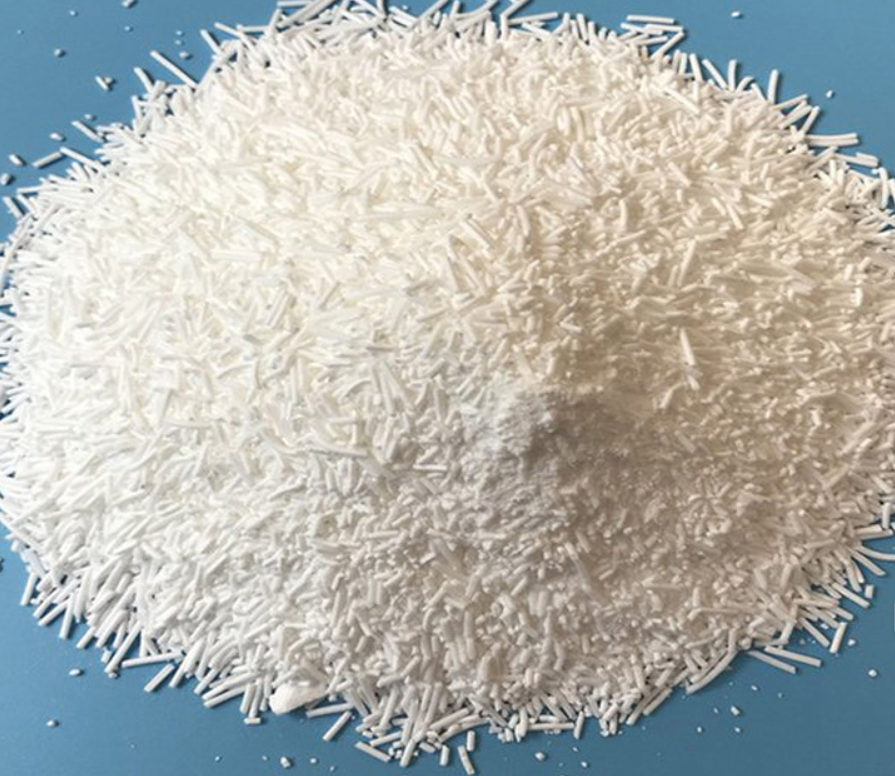
Sodium Lauryl Sulfate, abbreviated as SLS, is an anionic surfactant derived from coconut oil or palm kernel oil. It is a white or pale yellow crystalline powder with excellent water solubility, high surface activity, and strong decontamination, emulsifying, and foaming properties.
Chemically, SLS is a sodium salt of lauryl sulfate, with the molecular formula C₁₂H₂₅SO₄Na. It is cost-effective, easy to produce on a large scale, and has stable performance under a wide pH range, which makes it one of the most widely used surfactants in the daily chemical and industrial fields.
Personal Care and CosmeticsIt is a core ingredient in various cleansing products due to its strong foaming and dirt-removing ability. It is widely added to shampoos, body washes, facial cleansers, toothpastes, and hand soaps. In these products, SLS helps to break down oil, dirt, and residual substances on the skin and hair, providing a refreshing cleaning experience.
Household Cleaning ProductsSLS is used in laundry detergents, dish soaps, and household cleaners. It enhances the detergency of these products, effectively removing oil stains, food residues, and dust from fabrics, tableware, and hard surfaces.
Industrial ApplicationsIn the industrial sector, SLS serves as an emulsifier, dispersant, and wetting agent. It is applied in textile dyeing and finishing to improve the penetration of dyes into fibers; in pesticide formulations to enhance the adhesion and spread of pesticides on crop surfaces; and in the production of emulsion polymers to stabilize the emulsion system.
Other FieldsIn the pharmaceutical industry, SLS is used as a solubilizer in some oral or topical preparations to improve the solubility of poorly water-soluble drugs, thereby enhancing their bioavailability. It is also used in laboratory settings as a component of protein extraction reagents to lyse cells and solubilize proteins.
Note: Although SLS is widely used, it may cause mild irritation to the skin and eyes at high concentrations. Therefore, its dosage in personal care products is usually regulated within a safe range.


 Product Introduction