

Coconut Oil Fatty Acid Diethanolamide
 Product Introduction
Product NameCoconut Oil Fatty Acid DiethanolamideCAS61791-31-9Quality StandardSt
- Model:
- Update Time:2025-12
- Manufacturer Type:
- Views:
Product Name | Coconut Oil Fatty Acid Diethanolamide |
| CAS | 61791-31-9 |
Quality Standard | Standard |
Product Grade | Cosmetic Grade |
Place of Origin | China |
Dangerous Goods | No |
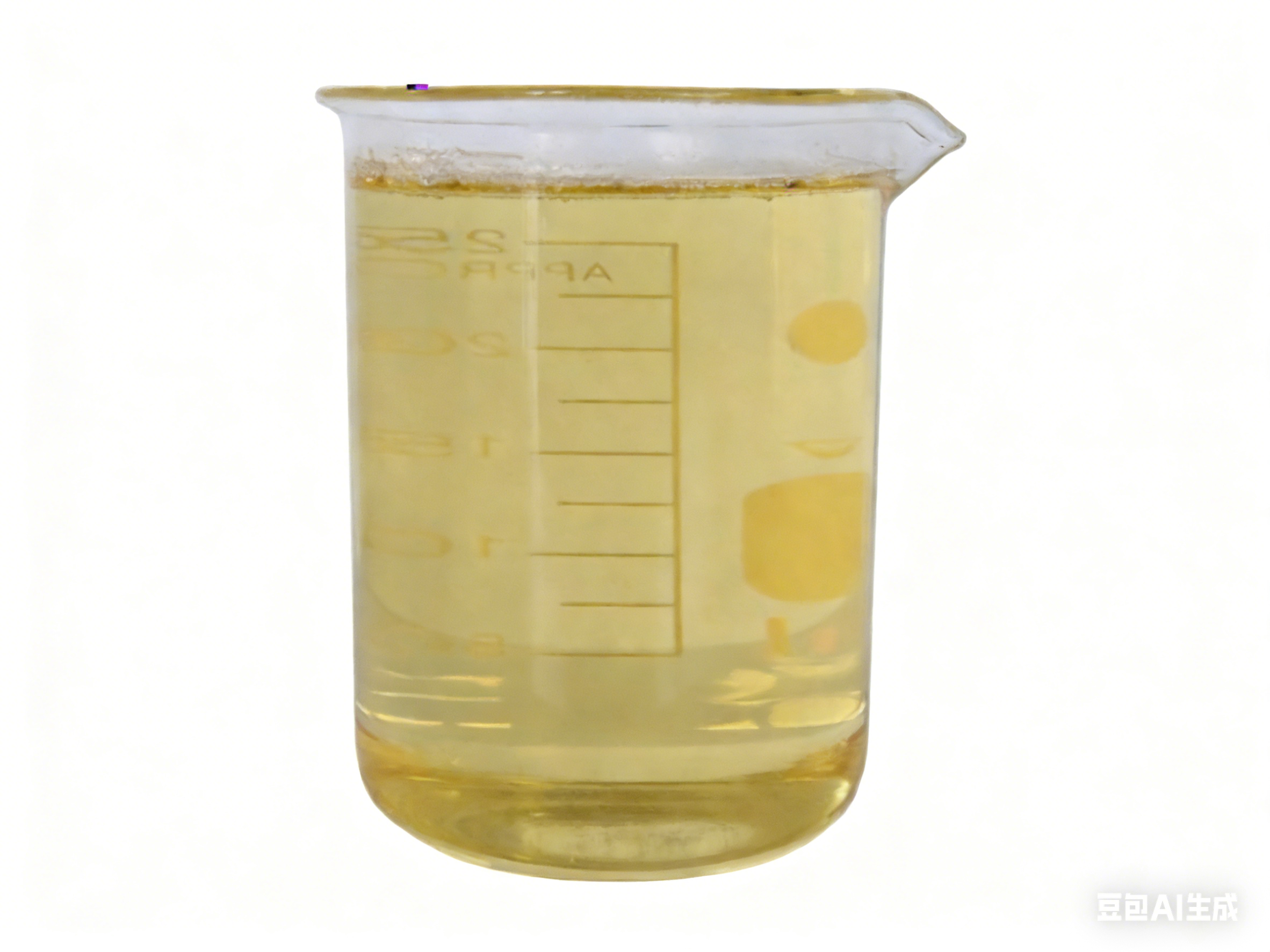
Coconut Oil Fatty Acid Diethanolamide, commonly referred to as CDEA or cocamide DEA, is a widely used non-ionic surfactant synthesized by the amidation reaction of coconut oil fatty acids and diethanolamine. It typically appears as a pale yellow to amber viscous liquid or paste, with a faint characteristic coconut-like odor.
This surfactant has excellent emulsifying, thickening, foam-stabilizing, and detergent-aiding properties. It is soluble in water, ethanol, and most organic solvents, and exhibits good compatibility with anionic, cationic, and other non-ionic surfactants. CDEA also has certain oil-dissolving and anti-static capabilities, and it is stable under weak acid and weak alkali conditions, making it a versatile ingredient in various industrial and daily chemical products.
Main Application Fields
Household Cleaning Products
This is the core application field of CDEA. It is a key additive in laundry detergents, dishwashing liquids, hand soaps, and household cleaners.
As a foam stabilizer, it can significantly enhance the richness and persistence of foam, making cleaning products produce dense lather that is not easily broken by hard water or dirt.
As a thickener, it helps adjust the viscosity of liquid cleaning formulations, improving product texture and ease of use, while preventing the separation of active ingredients during storage.
It also has auxiliary decontamination effects, which can synergize with other surfactants to enhance the removal of oil stains, dirt, and other contaminants from fabrics and tableware.
Personal Care and Cosmetics Industry
CDEA is widely used in various personal care products due to its mild performance and compatibility.
In shampoos, body washes, and facial cleansers, it acts as a foam booster and stabilizer, improving the foam quality of the products and providing a comfortable cleaning experience without excessive dryness of the skin or hair.
In conditioners and hair masks, it serves as an emulsifier and conditioning agent, helping to disperse oil-phase nourishing ingredients evenly in water-based formulations, and forming a thin protective film on the hair surface to reduce static electricity and improve combability.
It is also added to some creams and lotions as an emulsifier to stabilize the oil-water emulsion system and improve the product’s spreadability.
Industrial Applications
Textile Industry: Used as a softener, emulsifier, and dyeing auxiliary in textile processing. It can improve the softness and smoothness of fabrics, enhance the uniformity of dyeing, and prevent the accumulation of static electricity on the fiber surface during weaving.
Pesticide Industry: Serves as an emulsifier and wetting agent in pesticide formulations. It helps disperse insoluble pesticide active ingredients in water to form stable emulsions, enhances the adhesion and permeability of pesticides on crop surfaces, and improves the efficacy of pest and disease control.
Metal Processing Industry: Applied in metal cleaning agents as a detergent and emulsifier, effectively removing oil stains and metal oxides from the surface of metal parts.
Usage Notes
The recommended addition level in most formulations ranges from 1–5%, depending on the product type and desired performance.
It should be stored in a sealed container in a cool, dry, well-ventilated area, away from direct sunlight and high temperatures to prevent viscosity changes or oxidative deterioration.
Note that in some regions, the use of CDEA in cosmetics is subject to regulatory restrictions due to potential by-product concerns; it is necessary to comply with local industry standards and safety regulations during application.