

Glycerol Monostearate (GMS)
 Product Introduction
Product NameGlycerol Monostearate (GMS)Quality StandardStandardProduct GradeCosm
- Model:
- Update Time:2025-12
- Manufacturer Type:
- Views:
Product Name | Glycerol Monostearate (GMS) |
Quality Standard | Standard |
Product Grade | Cosmetic Grade |
Place of Origin | Chin |
Dangerous Goods | No |
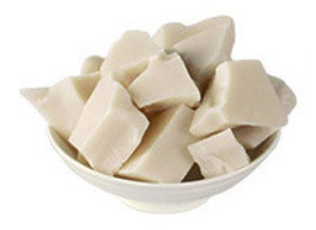
Glycerol Monostearate, commonly abbreviated as GMS or monoglyceride, is a widely used non-ionic emulsifier synthesized by the esterification of glycerol and stearic acid. It typically appears as a white to off-white waxy solid or flaky powder, with a faint fatty odor. It has good oil solubility and is dispersible in hot water; when heated and stirred, it can form a stable emulsion system with water and oil phases.
GMS features excellent emulsifying, stabilizing, thickening, and anti-caking properties. It is non-toxic, mild to the human body, and has been approved as a food additive by international authorities such as the FDA, FAO, and WHO. Additionally, it is biodegradable and environmentally friendly, making it a versatile ingredient across food, cosmetics, pharmaceuticals, and industrial fields.
Main Application Fields
Food IndustryThis is the largest and most mature application field of GMS.
Baked Goods: As a key emulsifier and dough conditioner in bread, cakes, and biscuits, it interacts with gluten and starch to improve dough elasticity and gas retention during fermentation and baking. This results in larger product volume, a softer and more uniform internal texture, and an extended shelf life by delaying starch retrogradation and product staling.
Dairy Products & Frozen Foods: In ice cream, GMS inhibits ice crystal growth, making the product smoother, creamier, and more resistant to melting. In margarine, cream, and plant-based milk, it stabilizes the oil-water system, preventing phase separation and enhancing product homogeneity.
Confectionery & Beverages: It is used in chocolates, candies, and peanut butter as an anti-sticking and dispersing agent, improving product mold release and texture. In beverage emulsions (e.g., protein drinks, fruit juices with pulp), it prevents sedimentation and maintains system stability during storage.
Cosmetics and Personal Care IndustryGMS serves as an emulsifier, thickener, and conditioning agent in various skincare and hair care products.
Skincare Products: It is a common ingredient in moisturizing creams, lotions, and facial masks, helping to form stable oil-in-water (O/W) or water-in-oil (W/O) emulsions. It also enhances the product’s spreadability and provides a non-greasy, moisturizing afterfeel on the skin.
Hair Care Products: In conditioners, hair masks, and leave-in treatments, it reduces friction between hair strands, improves combability, and adds a natural gloss to hair without weighing it down.
Other Personal Care Items: It is used in lip balms, body butters, and baby care products due to its mild and non-irritating properties.
Pharmaceutical IndustryGMS acts as an emulsifier, solubilizer, and tablet lubricant in pharmaceutical preparations.
In oral emulsions and suspensions, it helps disperse fat-soluble drugs evenly in aqueous solutions, improving drug bioavailability and absorption efficiency.
As a tablet lubricant, it prevents the tablet from sticking to the mold during compression and enhances the tablet’s dissolution rate. It is also used as a base material for ointments and creams, providing a smooth texture and stable drug release.
Industrial Applications
Textile Industry: It is used as a softener and antistatic agent in fabric finishing, improving the hand feel of cotton, wool, and synthetic fibers and reducing static electricity generated during weaving and processing.
Plastic Industry: As a plasticizer and anti-fogging agent for polyolefin plastics, it enhances the flexibility of plastic products and prevents fog formation on the surface of food packaging films.
Pesticide Industry: It serves as an emulsifier in pesticide formulations, helping to disperse insoluble pesticide active ingredients in water, improving the adhesion and permeability of pesticides on crop surfaces, and enhancing pest control efficacy.
Usage Notes
In food formulations, the recommended dosage is usually 0.1–0.5% of the total raw material weight, depending on the product type.
In cosmetic and pharmaceutical applications, it should be melted at 50–60°C before mixing with other oil-phase ingredients to ensure uniform dispersion.
Store in a sealed container in a cool, dry, well-ventilated area, away from direct sunlight and high temperatures to prevent oxidation and clumping.