Product Name | |
| CAS | 9004-62-0 |
Quality Standard |
Standard |
Product Grade | Cosmetic Grade |
Place of Origin | China |
Dangerous Goods | No |
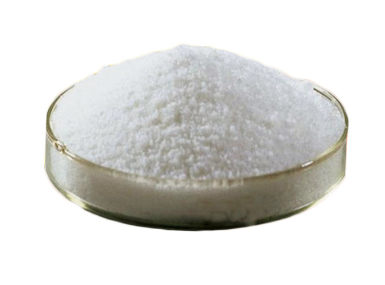
Hydroxyethyl Cellulose (HEC) is a non-ionic, water-soluble cellulose ether derived from natural cellulose through a series of chemical modifications, including alkalization and etherification with ethylene oxide. It typically appears as an off-white to creamy-white free-flowing powder, odorless and tasteless.
HEC boasts a range of excellent properties that make it a versatile ingredient across multiple industries: it has high water solubility and can form clear, viscous solutions at low concentrations; it exhibits good thickening, suspending, emulsifying, and film-forming capabilities; it is stable over a wide pH range (2–12) and resistant to electrolytes; and it is compatible with most surfactants, polymers, and other additives. Notably, HEC is biodegradable and has low toxicity, aligning with the demand for eco-friendly materials in modern production.
This is one of the most common application areas of HEC, where it primarily serves as a thickener, stabilizer, and rheology modifier.
- Skincare Products: In creams, lotions, serums, and facial masks, HEC thickens the formulation, improves product texture, and prevents the separation of oil and water phases. It also enhances the spreadability of products on the skin, leaving a smooth, non-greasy afterfeel without clogging pores.
- Hair Care Products: In shampoos, conditioners, hair gels, and styling mousses, HEC acts as a thickener and film-forming agent. It helps adjust the viscosity of shampoos for easy application, and forms a protective, flexible film on hair strands to reduce frizz, enhance shine, and maintain hairstyle hold.
- Personal Cleansing Products: In body washes, hand soaps, and facial cleansers, it stabilizes the foam structure and prevents the product from becoming too thin when diluted with water, ensuring a consistent user experience.
HEC is a key additive in water-based paints, latex paints, and architectural coatings, playing a critical role in regulating the rheological properties of coatings.
- It functions as a thickener and anti-settling agent, preventing pigments and fillers from sedimenting during storage and ensuring uniform distribution of components in the coating.
- It improves the brushability and leveling property of paints, reducing brush marks and sagging on coated surfaces, and helps form a smooth, even film after drying.
- It also enhances the water retention of wet paint films, reducing the risk of cracking caused by rapid drying, especially in dry environments.
In the construction sector, HEC is widely used in cement-based materials, gypsum products, and tile adhesives.
- Cement Mortars and Grouts: It improves water retention, ensuring that cement has sufficient time to hydrate and bond, thus enhancing the strength and durability of mortar. It also increases the workability of mortars, making them easier to apply and spread.
- Tile Adhesives: It enhances the adhesion between tiles and substrates, prevents the adhesive from drying too quickly, and reduces the likelihood of tiles slipping during installation.
- Gypsum Products: It regulates the setting time of gypsum and improves the toughness of gypsum boards, reducing brittleness.
As a safe and biocompatible pharmaceutical excipient, HEC is used in various oral and topical pharmaceutical formulations.
- Oral Preparations: In tablets, capsules, and oral suspensions, it acts as a binder, disintegrant, and thickener. It helps improve the cohesiveness of tablet granules, promotes uniform dissolution of drugs, and prevents sedimentation of suspended drug particles.
- Topical Preparations: In creams, ointments, and gels, it serves as a thickener and stabilizer, adjusting the viscosity of formulations to ensure drug release is controlled and consistent. It also enhances the adhesion of topical products to the skin, improving drug absorption.
- Oilfield Chemicals: In drilling fluids, HEC acts as a viscosifier and fluid loss control agent, increasing the viscosity of drilling mud to carry drill cuttings to the surface, and reducing fluid loss into formation rocks to protect oil and gas reservoirs.
- Textile Industry: It is used as a sizing agent and dyeing auxiliary, helping to improve the adhesion of sizing agents to yarns and ensuring uniform dyeing of fabrics, reducing color streaks.
- Agricultural Chemicals: In pesticide formulations, it serves as a thickener and suspending agent, preventing pesticide active ingredients from settling and ensuring uniform dispersion of pesticides in spray solutions, thus improving pesticide efficacy.
- HEC should be slowly dispersed in water with stirring to avoid clumping (it is recommended to premix with a small amount of powder additives like sucrose or salt before adding to water).
- It should be stored in a sealed container in a cool, dry, well-ventilated place, away from moisture and direct sunlight to prevent caking and degradation.
- The viscosity of HEC solutions is temperature-sensitive; high temperatures may reduce viscosity, so it should be used within an appropriate temperature range (typically below 80°C).


 Product Introduction