Product Name | |
| CAS | 68937-55-3 |
Quality Standard | Standard |
Product Grade | Cosmetic Grade |
Place of Origin | China |
Dangerous Goods | No |
Polyether-modified methylpolysiloxane, also commonly referred to as silicone polyether copolymers or PEG-modified silicones, is a type of non-ionic organosilicon surfactant synthesized by grafting polyether segments (such as polyethylene glycol, polypropylene glycol, or their block copolymers) onto the methylpolysiloxane backbone via chemical reactions like hydrosilylation.
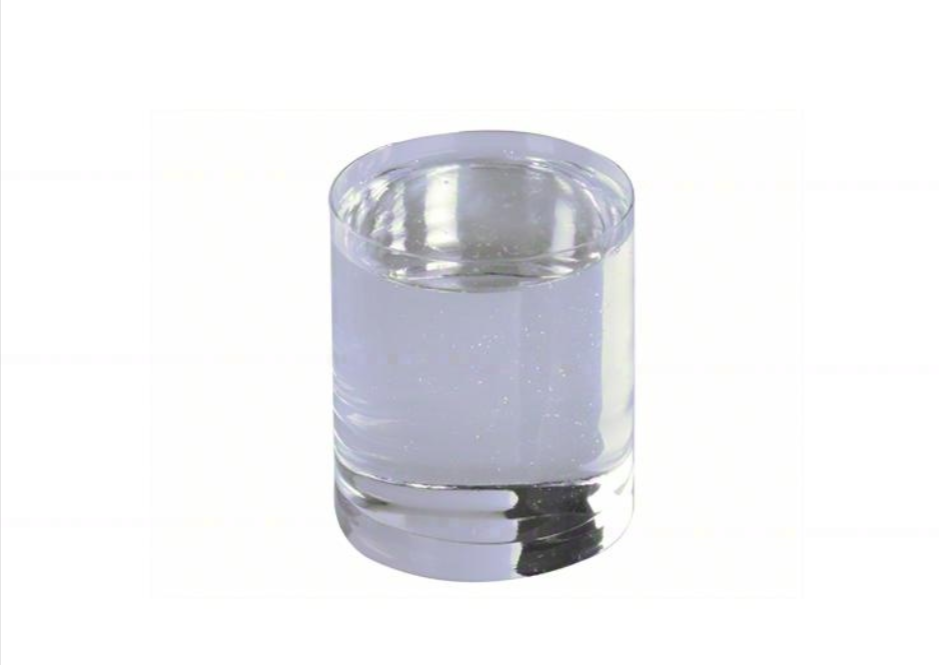
This modified silicone combines the unique advantages of both silicones and polyethers: it inherits the excellent lubricity, heat resistance, weather resistance, and hydrophobicity of methylpolysiloxane; meanwhile, the polyether segments endow it with hydrophilicity and compatibility with water-based systems. It typically appears as a colorless to pale yellow transparent liquid with low to medium viscosity, and is stable across a wide pH range (2–12). It is non-toxic, non-irritating, and readily dispersible in water or organic solvents, making it a versatile functional additive in multiple industries.
This is one of the largest and most mature application areas of polyether-modified methylpolysiloxane, thanks to its skin-friendly and texture-enhancing properties.
- Skincare Products: Used in moisturizing creams, lotions, serums, and sunscreens, it acts as an emulsifier, conditioner, and spreading agent. It helps stabilize the oil-in-water (O/W) or water-in-oil (W/O) emulsion system, improves the product’s spreadability on the skin, and forms a lightweight, breathable film that locks in moisture without leaving a greasy or sticky residue. It is especially suitable for formulating refreshing skincare products for oily or combination skin.
- Hair Care Products: Incorporated into shampoos, conditioners, hair masks, and styling products, it serves as a conditioning agent and detangler. It adheres to the hair cuticle, reducing friction between hair strands, improving combability, and enhancing hair’s natural gloss and softness. Unlike traditional silicone oils, it has better water solubility and is less likely to cause product buildup on the hair.
- Color Cosmetics: Applied in foundations, concealers, lipsticks, and mascaras, it acts as a dispersant and film-forming agent. It helps evenly disperse pigments, improves the product’s adherence to the skin or lashes, and enhances the long-wearing and water-resistant properties of cosmetics.
Polyether-modified methylpolysiloxane is a high-performance additive in water-based and solvent-based coatings, playing a critical role in optimizing coating performance.
- Defoamer and Wetting Agent: It effectively reduces the surface tension of coating formulations, preventing the formation of foam during production and application, and eliminating existing foam to avoid pinholes and craters on the coating film. Meanwhile, it improves the wetting and leveling properties of coatings, ensuring uniform coverage on substrates (including low-surface-energy materials like plastics and metals) and reducing brush marks or orange peel effects.
- Anti-adhesion and Slip Agent: When added to coatings, it enhances the surface slip of the dried film, improving scratch resistance and anti-adhesion properties, making the coated surface less prone to dust accumulation and easier to clean.
It is widely used as a functional additive in textile processing and dyeing, contributing to improving the quality and performance of textiles.
- Textile Softener: It imparts a smooth, soft, and silky hand feel to natural fibers (cotton, wool, silk) and synthetic fibers (polyester, nylon). Compared with traditional softeners, it has better heat resistance and is less likely to yellow the fabric during high-temperature setting.
- Dyeing Auxiliary: It acts as a leveling agent and dispersant in the dyeing process, helping dyes disperse evenly in the dye bath, improving the dye uptake rate of fibers, and reducing color streaks and uneven dyeing issues. It also enhances the color fastness of dyed textiles.
- Low-foam Detergent Additive: Due to its low-foaming or foam-suppressing properties, it is ideal for formulating high-efficiency industrial cleaning agents, such as metal cleaners, industrial degreasers, and dishwashing detergents for commercial dishwashers. It helps enhance the decontamination ability of cleaners, especially for oil-based stains, and enables easy rinsing without foam residue.
- Surfactant for Special Cleaners: Used in cleaners for electronic components, precision instruments, and automotive parts, it can effectively remove grease and dirt without damaging the surface of sensitive materials.
- Agricultural Chemicals: As an adjuvant in pesticide formulations, it improves the wetting, spreading, and adhesion properties of pesticides on crop surfaces, reducing pesticide runoff and enhancing the efficacy of pest and disease control. It also helps disperse pesticide active ingredients evenly in the spray solution.
- Polymer Processing: Used as a mold release agent and lubricant in plastic and rubber processing, it reduces the adhesion between the polymer melt and the mold surface, improves processing efficiency, and enhances the surface smoothness of finished products.
- Oilfield Chemicals: Applied in drilling fluids and fracturing fluids, it acts as a foam stabilizer or defoamer, regulating the fluid properties and improving the efficiency of oil and gas extraction.
- The dosage of polyether-modified methylpolysiloxane varies by application scenario, typically ranging from 0.1% to 5% of the total formulation weight.
- It should be stored in a sealed container in a cool, dry, and well-ventilated place, away from direct sunlight and high temperatures to prevent oxidative degradation and viscosity changes.
- It has good compatibility with most non-ionic, anionic, and cationic additives, but compatibility tests are recommended before large-scale use to avoid adverse reactions.


 Product Introduction