

Ammonium Thioglycolate
 Product Introduction
Product NameAmmonium ThioglycolateCAS5421-46-5Quality StandardStandardProduct Gr
- Model:
- Update Time:2025-12
- Manufacturer Type:
- Views:
Product Name | Ammonium Thioglycolate |
| CAS | 5421-46-5 |
Quality Standard | Standard |
Product Grade | Cationic Emulsifiers |
Place of Origin | China |
Dangerous Goods | Yes |
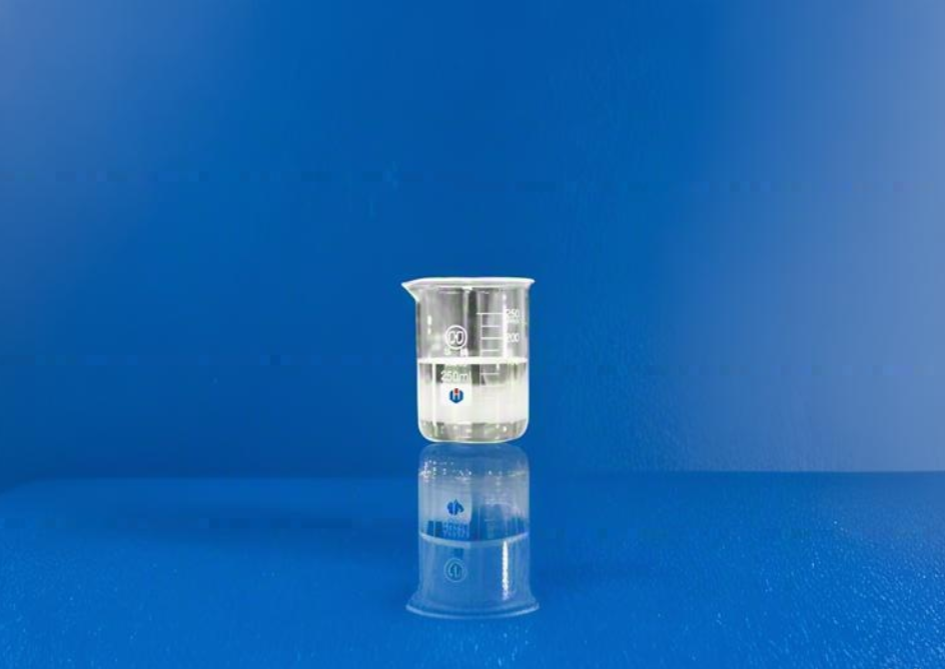
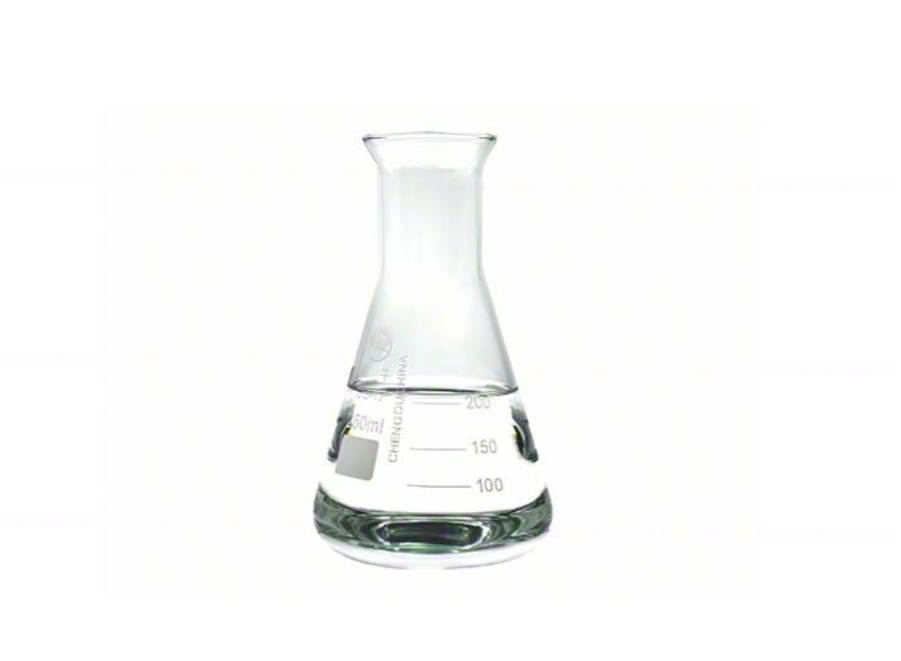
Ammonium Thioglycolate is an organic ammonium salt formed by the neutralization reaction of thioglycolic acid and ammonia water. At room temperature, it appears as a colorless to pale yellow transparent viscous liquid with a slight characteristic odor. It is highly soluble in water and ethanol, and maintains good stability in weakly alkaline environments. Its core characteristic is strong reducibility, which enables it to break the disulfide bonds in protein molecules, laying the foundation for its wide applications in various fields.
I. Core Characteristics
Reducibility
The sulfhydryl group in its molecular structure is the active functional group. It can selectively break the disulfide bonds in keratin, altering the spatial structure of keratin. This property is the key to its applications in hair treatment products.
pH Sensitivity
Its reducing activity reaches the peak in a weakly alkaline environment with a pH value ranging from 8.5 to 9.5. In acidic conditions, its activity decreases significantly, while strong alkaline environments may cause decomposition of the component.
Mildness
Compared with similar reducing agents such as thioglycolic acid, ammonium thioglycolate is less irritating to the skin and scalp, making it more suitable for being formulated into daily chemical products.
II. Main Application Fields
1. Hair Care (Core Application Field)
This is the primary use of ammonium thioglycolate, which is widely incorporated into perm and hair straightening products.
Cold Wave Perm Lotions
As the main reducing agent in cold perm products, it can penetrate into the cortex of hair, break the original disulfide bonds in hair keratin, soften hair fibers and enhance their plasticity. After the hair is shaped into curls or straight styles, an oxidant such as hydrogen peroxide is applied to reform new disulfide bonds, thereby fixing the hairstyle and achieving a long-lasting perm or straightening effect.
Hair Straightening Creams/Softeners
In no-heat hair straightening products, it breaks the disulfide bonds in curly hair, allowing hair fibers to return to a straight state. Then, a neutralizer is used to stabilize the hair structure, achieving the straight hair effect. Moreover, it causes less damage to hair compared with traditional strong alkaline hair straightening products.
Note
The concentration of ammonium thioglycolate in daily chemical products is strictly regulated, usually controlled between 5% and 12% to balance the efficacy and safety of products.
2. Depilatory Products
It is used in the formulation of mild depilatory creams and lotions.
Similar to its mechanism in hair treatment, it can break the disulfide bonds in keratin of body hair, damage the structural strength of hair, and make hair brittle and easy to break. In this way, hair can be easily removed without mechanical pulling, making it particularly suitable for hair removal in sensitive areas such as armpits and limbs.
Compared with other depilatory ingredients like calcium thioglycolate, ammonium thioglycolate has better water solubility, making the formulation easier to prepare, and it is less irritating to the skin.
3. Industrial Applications
Metal Surface Treatment
As a metal chelating agent and cleaning agent, it can form stable complexes with heavy metal ions such as copper, iron and zinc. It is used to remove oxide scales and rust on metal surfaces, and also applied in electroplating processes to improve the uniformity and adhesion of plating layers.
Textile Industry
It is used in the shrink-proof finishing of wool fabrics. By breaking the disulfide bonds in keratin on the surface of wool fibers, it reduces the felting shrinkage of wool fabrics during washing and improves the dimensional stability of fabrics.
Chemical Synthesis Intermediate
As an intermediate of sulfhydryl compounds, it is used in the synthesis of other organic products containing sulfhydryl groups, and is widely applied in the preparation of raw materials in pharmaceutical and pesticide fields.
III. Usage Notes
Operational Protection
High-concentration ammonium thioglycolate is irritating. During industrial operations, operators should wear gloves, goggles and masks to avoid contact with skin, eyes and respiratory tract. If accidental contact occurs, rinse the affected area with plenty of water immediately.
Storage Requirements
Store it in a sealed container in a cool, dry and well-ventilated place, away from direct sunlight and high temperatures. It should be stored separately from oxidants, acids and alkalis to prevent reactions that may lead to decomposition of the component.
Incompatibility
Mixing it with strong oxidants such as chlorates and potassium permanganate is prohibited, as this may trigger redox reactions and produce toxic gases.
Compliance in Daily Chemical Products
Product formulations must comply with national safety standards for cosmetics. The addition of ammonium thioglycolate must not exceed the specified concentration limit, and relevant warning statements should be marked on product labels.