

Cocamide Diethanolamide (CDEA)
 Product Introduction
Product NameCocamide Diethanolamide (CDEA)CAS68603-42-9Quality StandardStandardP
- Model:
- Update Time:2025-12
- Manufacturer Type:
- Views:
Product Name | Cocamide Diethanolamide (CDEA) |
| CAS | 68603-42-9 |
Quality Standard | Standard |
Product Grade | Cationic Emulsifiers |
Place of Origin | China |
Dangerous Goods | No |
1. Basic Introduction
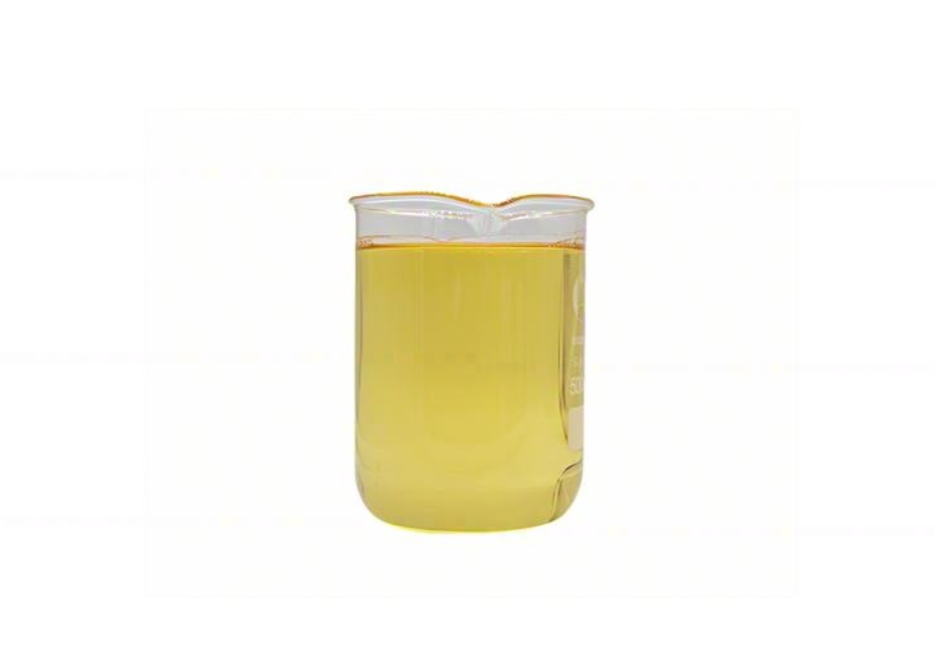
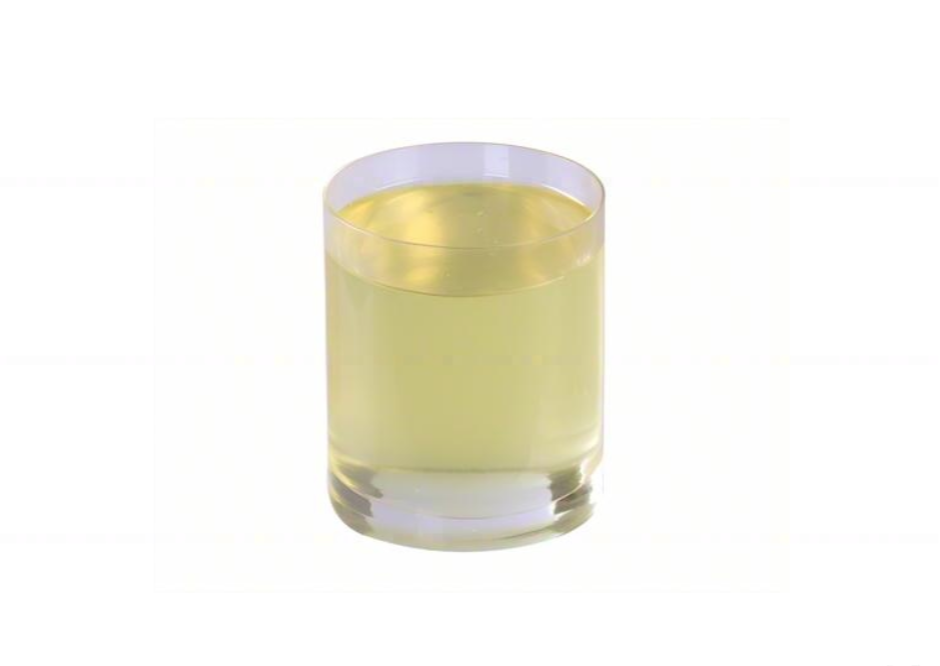
Cocamide Diethanolamide, commonly referred to as CDEA (also known as 6501 in the industry), is a widely used non - ionic surfactant. Its INCI name is Cocamide DEA, and its CAS number is 68603-42-9. It is typically produced by the reaction of refined coconut oil or coconut fatty acids with diethanolamine, resulting in a product that is usually a pale yellow viscous liquid at room temperature.
A key feature of CDEA is its excellent compatibility with anionic, cationic, and amphoteric surfactants, which enables it to be easily incorporated into various formulations. It has no cloud point and possesses outstanding properties such as thickening, foam boosting, foam stabilizing, emulsifying, wetting, dispersing, and antistatic capabilities, along with good hard - water resistance. Additionally, it can reduce the irritation of other surfactants, making it milder for use in relevant products.
2. Core Applications
Household and Daily - Use Detergents
Dishwashing liquids: CDEA serves as a core additive that enhances foam stability and thickens the product. It effectively emulsifies and removes grease, improving the overall cleaning performance while providing a rich and long - lasting lather.
Laundry detergents and liquid soaps: It functions as a thickener, foam stabilizer, and synergistic cleaning agent. It boosts the detergency, especially against oil - based stains, and improves the texture of the detergent to ensure a satisfying user experience during use.
Hand soaps: It helps create a dense and stable foam, reduces the irritation of the soap to the skin, and leaves the hands feeling soft after washing.
Personal Care Products
Shampoos and body washes: It is a common ingredient in these products. It not only thickens the formulations and maintains a rich, long - lasting foam but also contributes to conditioning effects, leaving the hair and skin smooth and not dry. It is also suitable for formulating transparent products.
Other cosmetics: It acts as an emulsifier in some creams and lotions, helping to stabilize oil - in - water (O/W) emulsions and ensuring the uniformity and stability of the products. It can also be used in pet - care cleaning products for its foaming and cleaning properties.
Industrial and Special - Purpose Applications
Textile industry: It is used as a detergent, thickener, and emulsifier in textile processing. It aids in cleaning textiles, especially animal fibers like wool, and serves as a component in spinning oils for synthetic fibers, providing antistatic protection and improving fiber processing performance.
Metalworking industry: It is utilized in metal - working fluids and polishing agents as a corrosion inhibitor and emulsifier. It helps in rust prevention and the stable emulsification of oil - water mixtures in metal - processing fluids.
Other industrial uses: It can be applied in the preparation of paint strippers, metal grinding materials, and dewaxing agents. It also finds use in electroplating, shoe polish, and printing ink formulations due to its emulsifying and dispersing properties.
3. Usage Notes
Dosage: In most formulations, the recommended dosage of CDEA ranges from 1.0% to 5.0%. The specific amount can be adjusted based on the desired product properties, such as thickness and foam performance.
Storage: It should be stored in a sealed container in a dry and well - ventilated place. When stored properly, its shelf - life is generally around one to two years.