Product Name | |
| CAS | 112-02-7 |
Quality Standard | Standard |
Product Grade | Cosmetic Grade |
Place of Origin | China |
Dangerous Goods | No |
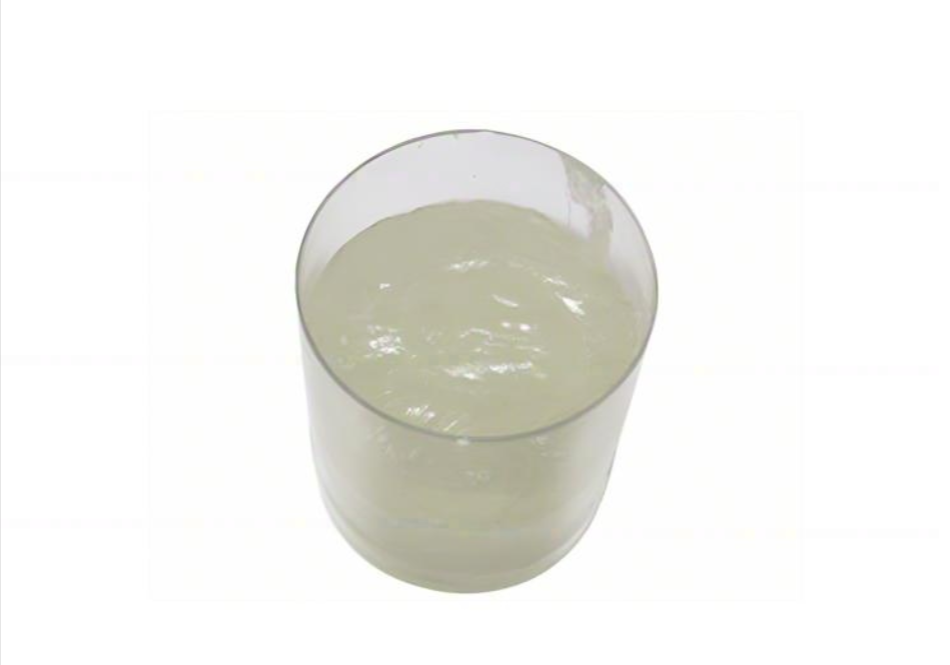
Cetyltrimethylammonium Chloride, commonly abbreviated as CTAC, is a typical cationic quaternary ammonium salt surfactant. It is synthesized through the reaction of cetyl alcohol, hydrochloric acid, and trimethylamine, with a molecular structure composed of a hydrophobic long-chain cetyl group (C₁₆H₃₃–) and a hydrophilic positively charged trimethylammonium chloride group (–N⁺(CH₃)₃Cl⁻). At room temperature, CTAC exists as a white or off-white waxy solid or viscous liquid (depending on purity and concentration), which is easily soluble in water, ethanol, and isopropanol to form a clear solution.
As a classic cationic surfactant, CTAC features strong surface activity, excellent adsorption, emulsification, and antibacterial properties. It can firmly adsorb onto negatively charged surfaces (such as hair, skin, fibers, and microbial cell membranes) due to its positive charge, making it widely used in personal care, textile, and industrial fields. However, it is incompatible with anionic surfactants and may react to form precipitates, thus requiring attention to formulation compatibility during application.
Strong cationic adsorption performanceCTAC has a high affinity for negatively charged substrates. When applied to hair, skin, or fibers, its cationic groups can quickly bind to the anionic sites on the substrate surface, forming a uniform and smooth protective film, which effectively reduces friction, eliminates static electricity, and improves the softness and gloss of the substrate.
Excellent emulsification and dispersion capabilitiesIt can reduce the interfacial tension between oil and water phases, stably emulsify oil-soluble substances to form oil-in-water (O/W) emulsions, and disperse insoluble particles evenly in aqueous systems, preventing particle aggregation and sedimentation.
Broad-spectrum antibacterial activityCTAC can destroy the lipid bilayer structure of microbial cell membranes, leak intracellular components, and inhibit the metabolic activities of bacteria and fungi, thus exerting a significant antibacterial effect. It has good inhibitory effects on common bacteria such as Staphylococcus aureus and Escherichia coli.
Good stability and temperature resistanceIt maintains stable performance in acidic and neutral systems, and can withstand high temperatures of 100–120°C for a short time without decomposition. However, in strongly alkaline environments, its quaternary ammonium groups may undergo hydrolysis, leading to a decrease in activity.
- Hair care products: As a core conditioning agent in conditioners, hair masks, and leave-in treatments, CTAC adsorbs onto the negatively charged hair cuticles, repairing damaged cuticle scales, reducing hair tangling and static electricity, improving wet and dry combability, and leaving hair soft and glossy. The recommended dosage is 0.5%–3.0%.
- Skin care products: Used in antibacterial lotions, cleansers, and moisturizers. It emulsifies oily emollients and exerts antibacterial effects, inhibiting the growth of skin surface bacteria and reducing the occurrence of acne and other skin problems. The recommended dosage is 0.1%–1.0%.
- Oral care products: Added to toothpastes and mouthwashes as an antibacterial agent, it can inhibit the growth of oral bacteria, reduce dental plaque formation, and prevent gingivitis and bad breath. The recommended dosage is 0.05%–0.3%.
- Textile softeners and finishing agents: CTAC is a key raw material for cationic textile softeners. It is formulated into an aqueous solution or emulsion and applied to fabrics during the finishing process. The cationic groups adsorb onto the surface of cotton, wool, and synthetic fibers, forming a smooth film that reduces friction between fibers, making fabrics soft, flexible, and anti-static. The recommended dosage is 1.0%–5.0% (based on fabric weight).
- Leather processing agents: Used in leather degreasing and fatliquoring processes. It can emulsify animal and vegetable oils, penetrate into leather fibers, and improve the softness and elasticity of leather. At the same time, its antibacterial property can prevent mold growth during leather storage. The recommended dosage is 2.0%–8.0%.
- Pesticide formulations: Serves as an emulsifier and adjuvant in pesticide emulsifiable concentrates and water-dispersible granules. It emulsifies oil-soluble pesticide active ingredients to form stable aqueous emulsions, and the positive charge helps pesticide droplets adsorb onto negatively charged crop leaf surfaces, improving adhesion and pesticide efficacy. The recommended dosage is 3.0%–10.0%.
- Water treatment: Used as a flocculation aid and sludge conditioner in wastewater treatment. It neutralizes the negative charge of suspended particles in water, promoting particle aggregation and sedimentation, and improving the efficiency of solid-liquid separation. It is also effective in controlling algae growth in water bodies. The recommended dosage is 0.05%–0.5%.
- Coating and ink industry: Applied as a dispersant and leveling agent in water-based coatings and inks. It disperses pigment particles evenly, improves the uniformity and stability of coatings and inks, and enhances the leveling property and gloss of the coating film. The recommended dosage is 0.5%–2.0%.
- Microbiological culture: Used as a selective agent in microbiology laboratories, it can inhibit the growth of gram-negative bacteria and facilitate the isolation and culture of gram-positive bacteria.
Storage ConditionsStore CTAC in a sealed plastic or stainless steel container, placed in a cool, dry, and well-ventilated area, away from direct sunlight and high temperatures (avoid storage above 40°C). Keep it away from anionic surfactants, strong acids, and strong oxidants to prevent chemical reactions and precipitation. Under proper storage conditions, the shelf life of solid CTAC is generally 24 months, and that of liquid CTAC is 18 months.
Safety Instructions
- Hazard characteristics: Concentrated CTAC has mild to moderate irritation to the skin, eyes, and respiratory tract. It is toxic to aquatic organisms and may cause long-term adverse effects in aquatic environments.
- Protective measures: During operation, wear protective gloves, goggles, and a dust mask to avoid direct contact with the skin and eyes, and prevent inhaling dust or mist.
- Emergency treatment: If it contacts the skin, rinse immediately with plenty of water for 15 minutes; if it gets into the eyes, rinse thoroughly with water and seek medical attention if irritation persists; if accidentally ingested, do not induce vomiting and seek medical treatment immediately.
- Transportation: Industrial-grade concentrated CTAC is generally classified as a non-hazardous chemical for transportation, but it should be packaged properly to prevent leakage and avoid mixing with anionic substances during transportation.


 Product Introduction