Product Name | |
| CAS | 197969-51-0 |
Quality Standard | Standard |
Product Grade | Cosmetic Grade |
Place of Origin | China |
Dangerous Goods | No |
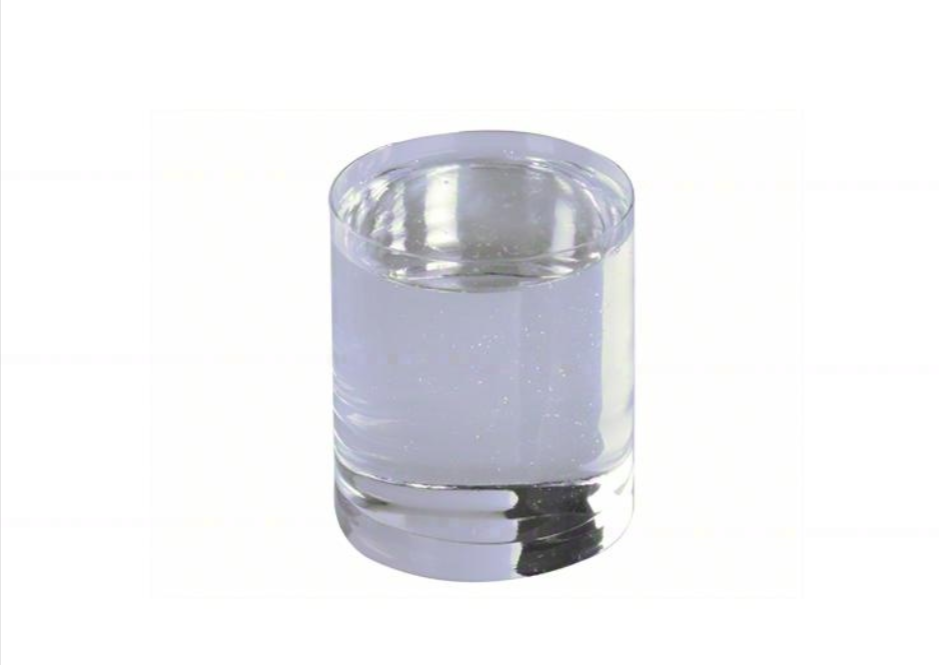
Polyquaternium-47, often abbreviated as PQ-47, is a type of cross-linked cationic copolymer synthesized from three monomers: acrylic acid, acrylamide, and methacrylamidopropyl trimethyl ammonium chloride. It belongs to the polyquaternium family, which is widely used in personal care products for its excellent conditioning and thickening properties. At room temperature, PQ-47 exists as a pale yellow, viscous aqueous solution with high water solubility and good compatibility with most surfactants.
Unlike traditional cationic polymers, PQ-47 has a unique cross-linked structure that combines the hydrophilicity of acrylic acid segments, the film-forming ability of acrylamide segments, and the cationic adsorption capacity of quaternary ammonium groups. This structure endows it with dual functions of conditioning and thickening, as well as outstanding salt tolerance and pH stability. It is mild, non-irritating, and biodegradable, making it an ideal functional ingredient for high-end personal care formulations.
Superior conditioning performanceThe cationic quaternary ammonium groups in PQ-47 can firmly adsorb onto negatively charged hair cuticles and skin surfaces, forming a smooth, breathable, and elastic protective film. This film reduces friction between hair strands, improves wet and dry combability, eliminates static electricity and frizz, and leaves hair with a natural, healthy luster. For skin, it enhances moisture retention and softness without causing a sticky or heavy feeling.
Effective thickening and stabilizing capabilitiesAs a cross-linked polymer, PQ-47 has strong thickening properties, which can significantly increase the viscosity of aqueous and surfactant-based systems at low addition levels. It also acts as a stabilizer, preventing phase separation, sedimentation, or creaming in emulsions, shampoos, and conditioners, thus extending the shelf life of products. Its thickening effect is not easily affected by electrolytes (such as sodium chloride), ensuring stable performance in salt-containing formulations.
Good compatibility and pH stabilityPQ-47 is compatible with anionic, cationic, non-ionic, and amphoteric surfactants, which is a distinct advantage over many other cationic polymers. It maintains stable performance in a wide pH range (4.0–9.0), suitable for various personal care product formulations, including acidic hair care products and weakly alkaline skin care products.
Mildness and biodegradabilityPQ-47 has low irritation to the skin and eyes, meeting the safety requirements of cosmetic raw materials in regions such as the EU and the United States. It is readily biodegradable, does not accumulate in the environment, and has low toxicity to aquatic organisms, aligning with the global trend of green and sustainable cosmetics.
This is the primary application field of PQ-47, where it is valued for its synergistic conditioning and thickening effects.
- Shampoos: Added as a conditioning thickener, PQ-47 improves the viscosity and foam texture of shampoos, and adsorbs onto hair during washing to reduce the damage caused by anionic surfactants. It makes hair soft, smooth, and easy to comb after rinsing, avoiding dryness and tangling. The recommended dosage is 0.2%–1.0%.
- Conditioners and hair masks: Serves as a core conditioning ingredient, working synergistically with silicone oils, amino acids, and other conditioning agents to deeply repair dry, damaged, and chemically treated hair (perm and dye hair). It can significantly improve the elasticity and luster of hair, with a recommended dosage of 0.5%–2.0%.
- Leave-in hair products: Used in leave-in conditioners, hair serums, and styling gels, it provides long-lasting anti-static and anti-frizz effects, keeping hair neat and manageable throughout the day without causing greasiness or weighing hair down. The recommended dosage is 0.1%–0.8%.
- Moisturizing lotions and creams: PQ-47 acts as a thickener and moisturizer, improving the spreadability and texture of products, and forming a moisture-locking film on the skin surface to enhance hydration and softness. It is suitable for dry, sensitive, and normal skin types, with a recommended dosage of 0.1%–0.5%.
- Cleansers and body washes: Added to mild cleansers, it enhances the foam stability and skin compatibility of products, reducing the tightness of the skin after cleansing, with a recommended dosage of 0.2%–0.8%.
- Cosmetics: Used in foundations, BB creams, and liquid blushes to improve the adherence of products to the skin, enhance the smoothness of makeup application, and prevent makeup from caking or settling into fine lines, with a recommended dosage of 0.1%–0.5%.
- Personal care wipes: Added to wet wipes for skin and hair care, it provides mild conditioning effects, keeping the skin hydrated and the hair smooth, with a recommended dosage of 0.05%–0.3%.
Storage ConditionsStore PQ-47 in its original sealed plastic container, placed in a cool, dry, and well-ventilated area, away from direct sunlight and high temperatures (avoid storage above 40°C). Do not freeze the product; if frozen, thaw it at room temperature and stir well before use, which will not affect its performance. Under proper storage conditions, the shelf life is generally 18–24 months.
Safety InstructionsPQ-47 is a non-toxic, non-irritating polymer, not classified as a hazardous chemical. It is safe for use in cosmetics and daily chemical products. During operation, avoid inhaling the mist generated by high-speed stirring; if the product accidentally gets into the eyes, rinse thoroughly with plenty of clean water. It is environmentally friendly and does not cause pollution when discharged in compliance with regulations.


 Product Introduction