

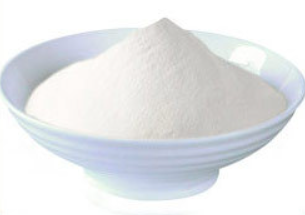
Cationic Hydroxyethyl Cellulose
 Product Introduction
Product NameCationic Hydroxyethyl CelluloseQuality StandardStandardProduct Grade
- Model:
- Update Time:2025-12
- Manufacturer Type:
- Views:
Product Name | Cationic Hydroxyethyl Cellulose |
Quality Standard | Standard |
Product Grade | Cationic Emulsifiers |
Place of Origin | China |
Dangerous Goods | No |
Cationic Hydroxyethyl Cellulose (abbreviated as CHEC) is a water-soluble cationic polymer derived from the cationic etherification modification of Hydroxyethyl Cellulose (HEC). Based on natural cellulose as the raw material, it introduces quaternary ammonium salt and other cationic groups, integrating the biocompatibility of natural cellulose with the adsorption properties of cationic polymers. It is a commonly used functional raw material in the daily chemical, textile, and other industries.
I. Core Properties
Cationic Adsorptivity
The cationic groups on the molecular chain can tightly bind to negatively charged substrates (such as hair, skin, fibers, and pigment particles), forming a uniform adsorption film to exert conditioning, color-fixing, flocculation, and other effects. This is its core advantage distinguishing it from ordinary hydroxyethyl cellulose.
Water Solubility and Thickening Property
It can quickly dissolve in cold or hot water to form a transparent viscous solution with high thickening efficiency. Its viscosity is less affected by pH (suitable pH range: 4–10) and has good salt tolerance, maintaining stable viscosity even in systems containing electrolytes.
Excellent Compatibility
It has good compatibility with cationic, non-ionic, and amphoteric surfactants, as well as most cosmetic additives (such as silicone oils and humectants). However, direct mixing with high-concentration anionic surfactants should be avoided to prevent precipitation.
Mildness and Biodegradability
With a natural cellulose backbone, it has extremely low toxicity and slight irritation to the skin and eyes, meeting the safety standards of daily chemical products. Additionally, it exhibits good biodegradability and is environmentally friendly.
II. Main Application Fields
1. Daily Chemical and Cosmetics Industry (Core Application Field)
Hair Care Products
It is a key raw material for shampoos, conditioners, and hair masks. In shampoos, it thickens the system, optimizes foam texture, and adsorbs onto the negatively charged hair cuticles to reduce damage caused by anionic surfactants, leaving hair smooth, untangled, and anti-static after washing. In conditioners and hair masks, it enhances conditioning effects, repairs dry and damaged hair, and improves hair luster and combability. Recommended dosage: 0.2%–1.5%.
Skin Care Products
Used in facial cleansers, moisturizing lotions, creams, and other products, it serves multiple functions of thickening, stabilizing emulsions, and moisturizing/conditioning. It forms a breathable moisturizing film on the skin surface to lock in moisture, improve dry and rough skin conditions, and enhance the spreadability of products without causing a sticky feeling. Recommended dosage: 0.1%–0.8%.
2. Textile and Dyeing Industry
Fabric Softening Finishing Agent
Applied in the post-finishing of natural fiber fabrics such as cotton, linen, silk, and wool. The cationic groups adsorb onto the fiber surface, reducing friction between fibers, making the fabric soft, smooth, and anti-static, while improving the fabric's drapability.
Dyeing Fixing Agent
Can be used as a fixing aid for direct dyes and acid dyes. Through the combination of cationic groups with dye anions, it enhances the adhesion of dyes on fibers, reduces fading, and improves the washing and rubbing fastness of dyed fabrics.
3. Other Industrial Fields
Water Treatment Field
As a flocculant, it is used to treat wastewater containing negatively charged suspended particles. Through adsorption and bridging effects, it promotes particle aggregation and sedimentation, especially suitable for the pretreatment of printing and dyeing wastewater and papermaking wastewater to reduce water turbidity.
Papermaking Industry
Used as a paper strength agent and retention aid. It adsorbs onto pulp fibers, enhancing the bonding force between fibers, improving the dry and wet strength of paper. Meanwhile, it helps retain fillers and fine fibers, reducing raw material loss and production costs.
III. Storage and Usage Notes
Store in a sealed container in a cool, dry, and well-ventilated place to avoid moisture and caking. If the powder gets damp, it is prone to forming fish-eye-like insoluble substances during dissolution, affecting the use effect.
For dissolution, it is recommended to slowly sprinkle the powder into stirring water, or pre-mix it with other powder raw materials (such as salt and essence) before dissolution. This can speed up the dissolution rate and avoid agglomeration.
When handling industrial-grade products, wear gloves to avoid inhaling dust. If accidentally contacted with eyes, rinse thoroughly with plenty of water immediately.