

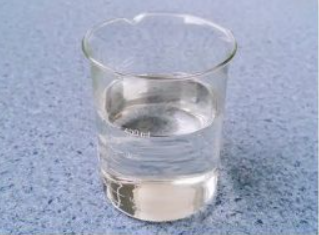
Di(hydroxyethyl) di(hydroxypropyl) stearyl ammonium chloride
 Product Introduction
Product NameDi(hydroxyethyl) di(hydroxypropyl) stearyl ammonium chlorideCAS50744
- Model:
- Update Time:2025-12
- Manufacturer Type:
- Views:
Product Name | Di(hydroxyethyl) di(hydroxypropyl) stearyl ammonium chloride |
| CAS | 50744-86-0 |
Quality Standard | Standard |
Product Grade | Cosmetic Grade |
Place of Origin | China |
Dangerous Goods | No |
Di(hydroxyethyl) di(hydroxypropyl) stearyl ammonium chloride is a type of hydrophilic cationic quaternary ammonium salt surfactant, featuring a molecular structure composed of a long hydrophobic stearyl chain (C₁₈H₃₇–) and four hydrophilic hydroxyl-containing groups (–CH₂CH₂OH and –CH₂CH(OH)CH₃) attached to the nitrogen atom. At room temperature, it exists as a pale yellow to off-white waxy solid or viscous liquid with good water solubility and dispersibility. Unlike traditional cationic surfactants, its multiple hydroxyl groups enhance compatibility with water and non-ionic ingredients, while reducing irritation to skin and hair.
This surfactant combines excellent cationic adsorption, conditioning, and emulsifying properties. The positively charged quaternary ammonium group enables it to firmly adsorb onto negatively charged substrates (such as hair cuticles, skin, and textile fibers), forming a smooth, breathable protective film. Meanwhile, the hydroxyl groups improve the moisture-retaining ability of the film, making it a high-performance functional ingredient widely used in personal care and textile finishing industries. It shows good compatibility with non-ionic and amphoteric surfactants, but should avoid mixing with anionic surfactants to prevent precipitation.
Core Properties
Superior conditioning and moisturizing performanceThe cationic groups of di(hydroxyethyl) di(hydroxypropyl) stearyl ammonium chloride can adsorb tightly onto hair and skin surfaces. The hydroxyl-containing hydrophilic segments lock in moisture, forming a hydrating protective film that reduces friction between hair strands, eliminates static electricity, improves combability, and leaves hair soft and glossy. For skin, it enhances moisture retention, relieves dryness, and does not cause a sticky or heavy feeling.
Good emulsifying and stabilizing capabilitiesIt can effectively reduce the interfacial tension between oil and water phases, stabilizing oil-in-water (O/W) emulsions. It is suitable for emulsifying various plant oils, mineral oils, and silicone oils, preventing phase separation of emulsions during storage or temperature changes. It also has a certain thickening effect, which can improve the texture of formulations without affecting their spreadability.
Low irritation and high compatibilityCompared with traditional cationic surfactants (e.g., cetyltrimethylammonium chloride), its multiple hydroxyl groups reduce the irritation to skin and eyes significantly, making it suitable for sensitive scalp and skin care products. It is compatible with most non-ionic, amphoteric surfactants and cosmetic additives (e.g., humectants, thickeners), expanding its application scope in formulations.
Excellent stabilityIt maintains stable performance in a wide pH range (4.0–8.0) and has good resistance to electrolytes. Its conditioning and emulsifying effects are not easily affected by the addition of inorganic salts (e.g., sodium chloride) in formulations, ensuring consistent product quality.
Main Applications
1. Personal Care and Cosmetics Industry
This is the primary application field of di(hydroxyethyl) di(hydroxypropyl) stearyl ammonium chloride, with the most extensive use in hair care products.
Conditioners and hair masks: As a core conditioning ingredient, it repairs damaged hair cuticles, reduces hair tangling and frizz, and improves wet and dry combability. It is especially suitable for dry, damaged, and chemically treated hair (perm and dye hair). The recommended dosage is 0.5%–2.0%.
Leave-in hair products: Used in leave-in conditioners, hair serums, and styling creams, it provides long-lasting anti-static and moisturizing effects, keeping hair neat and manageable throughout the day without causing greasiness. The recommended dosage is 0.3%–1.0%.
Skin care products: Added to moisturizing lotions, body creams, and sensitive skin care products, it enhances skin smoothness and moisture retention, forms a breathable protective film, and relieves skin dryness and tightness. The recommended dosage is 0.2%–1.0%.
Mild cleansers: Used in baby shampoos and sensitive skin cleansers, it improves the mildness of the formula, reduces the irritation of anionic surfactants to the scalp and skin, and leaves a moisturizing after-feel. The recommended dosage is 0.1%–0.8%.
2. Textile and Leather Industry
Textile softeners and finishing agents: It is used as a key ingredient in textile softening formulations, especially for high-grade fabrics such as cotton, wool, and silk. It adsorbs onto fiber surfaces, reducing friction between fibers, making fabrics soft, smooth, and anti-static, while improving the drapability of fabrics. The recommended dosage is 1.0%–3.0% (based on fabric weight).
Leather finishing agents: Applied in leather fatliquoring and finishing processes, it helps emulsify leather oils and waxes, penetrates into leather fibers, and improves the softness and flexibility of leather. It also enhances the gloss of leather surfaces and prevents leather from cracking during storage. The recommended dosage is 1.5%–4.0%.
Storage and Safety
Storage ConditionsStore di(hydroxyethyl) di(hydroxypropyl) stearyl ammonium chloride in a sealed plastic or stainless steel container, placed in a cool, dry, and well-ventilated area, away from direct sunlight and high temperatures (avoid storage above 40°C). Prevent moisture absorption and contamination by anionic substances. Under proper storage conditions, the shelf life is generally 24 months.
Safety InstructionsThis surfactant is not classified as a hazardous chemical. It has low irritation to skin and eyes under normal usage concentrations, meeting the safety standards of cosmetic and daily chemical products. During the handling of industrial-grade high-concentration products, it is recommended to wear protective gloves and goggles to avoid direct contact with the skin and eyes; if the product accidentally gets into the eyes, rinse thoroughly with plenty of clean water immediately. It has low toxicity to aquatic organisms, but should avoid direct discharge into water bodies to protect the ecological environment.