

Polyquaternium-10

Product Introduction

Product NamePolyquaternium-10CAS68610-92-4Quality StandardStandardProduct GradeC

Model:
Update Time:2025-12
Manufacturer Type:
Views:

Product Name

Polyquaternium-10

CAS68610-92-4

Quality Standard

Standard

Product Grade

Cationic Emulsifiers

Place of Origin

China

Dangerous Goods

No
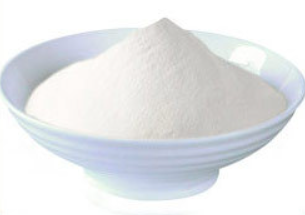
Polyquaternium-10 (abbreviated as PQ-10) is a type of cationic cellulose ether, prepared by the etherification and quaternization modification of natural cellulose. It takes cellulose as the backbone and introduces positively charged quaternary ammonium groups, integrating the biocompatibility of natural polymers with the adsorption characteristics of cationic polymers. Normally, it exists as a white or off-white powder, which dissolves easily in water to form a transparent viscous solution. It is widely used in daily chemical, textile and other industries.

I. Core Properties

  1. Strong Cationic AdsorptivityThe quaternary ammonium groups on the molecular chain carry positive charges, enabling them to tightly bind to negatively charged substrates such as hair, skin and fibers, forming a uniform and breathable protective film. The adsorption effect is not affected by rinsing, allowing it to exert long-lasting conditioning effects.
  2. Excellent Thickening and Stabilizing CapabilitiesIt has good thickening ability, which can increase the viscosity of aqueous and emulsion products. Meanwhile, it can stabilize the formula system, preventing emulsion stratification and cream caking. It also has excellent electrolyte resistance, with only slight viscosity changes in salt-containing systems.
  3. Good CompatibilityIt is highly compatible with cationic, non-ionic, amphoteric surfactants and most cosmetic raw materials (such as silicone oils and humectants). However, direct mixing with high-concentration anionic surfactants should be avoided to prevent precipitation.
  4. Mild, Safe and Eco-friendlyModified from natural cellulose, it has extremely low irritation to the skin and eyes, complying with cosmetic safety standards. It also possesses good biodegradability, which is not easy to accumulate in the environment and is friendly to the ecosystem.

II. Main Application Fields

1. Daily Chemical and Cosmetics Industry (Core Application)

  • Hair Care ProductsIt is a key conditioning raw material for shampoos, conditioners, hair masks and hair treatments. In shampoos, it can reduce the irritation of anionic surfactants to the scalp, while adsorbing onto the hair cuticles to repair damaged hair, reduce static electricity and frizz. Hair becomes smooth, shiny and easy to comb after washing. In conditioners and hair masks, it enhances moisturizing and repairing effects, especially suitable for dry, permed and dyed damaged hair. Recommended dosage: 0.1%–1.0%.
  • Skin Care ProductsIt is used in facial cleansers, moisturizing lotions, creams, serums and other products, serving the dual functions of thickening, conditioning and moisturizing. It can form a moisture-locking film on the skin surface, improving dry and rough skin conditions. At the same time, it enhances the spreadability of products and avoids a sticky feeling, making it suitable for sensitive and dry skin formulations. Recommended dosage: 0.05%–0.5%.

2. Textile and Dyeing Industry

  • Fabric Softening Finishing AgentIt is applied in the post-finishing of natural fibers such as cotton, linen, silk, wool and their blended fabrics. The cationic groups adsorb onto the fiber surface, reducing friction between fibers, making the fabric soft and smooth, and improving its anti-static performance, thus reducing pilling and dust adsorption of the fabric.
  • Dyeing Fixing AgentIt can be used as a fixing aid for direct dyes and acid dyes. Through the interaction between positive and negative charges, it enhances the binding force between dyes and fibers, improves the washing and rubbing fastness of dyed fabrics, and reduces color fading.

3. Other Industrial Fields

  • Water Treatment FieldAs a flocculant, it is used to treat wastewater containing negatively charged suspended particles (such as printing and dyeing wastewater and papermaking wastewater). Through adsorption and bridging effects, it promotes particle aggregation and sedimentation, reduces water turbidity and improves wastewater treatment efficiency.
  • Papermaking IndustryIt is used as a paper strengthening agent and retention aid. It adsorbs onto pulp fibers, enhances the bonding force between fibers, and improves the dry and wet strength of paper. Meanwhile, it helps retain fillers and fine fibers, reducing raw material loss and production costs.

III. Storage and Usage Notes

  1. Store in a sealed container in a cool, dry and well-ventilated place to avoid moisture and caking. If the powder gets damp, it tends to form insoluble "fish-eye" particles during dissolution, affecting the application effect.
  2. For dissolution, it is recommended to slowly sprinkle the powder into stirring clean water, or pre-mix it with other powder raw materials (such as salt and glucose) before dissolving, which can speed up the dissolution rate and avoid agglomeration.
  3. When handling industrial-grade products, wear gloves and masks to avoid dust inhalation. If it accidentally contacts the eyes, rinse immediately with plenty of clean water.