

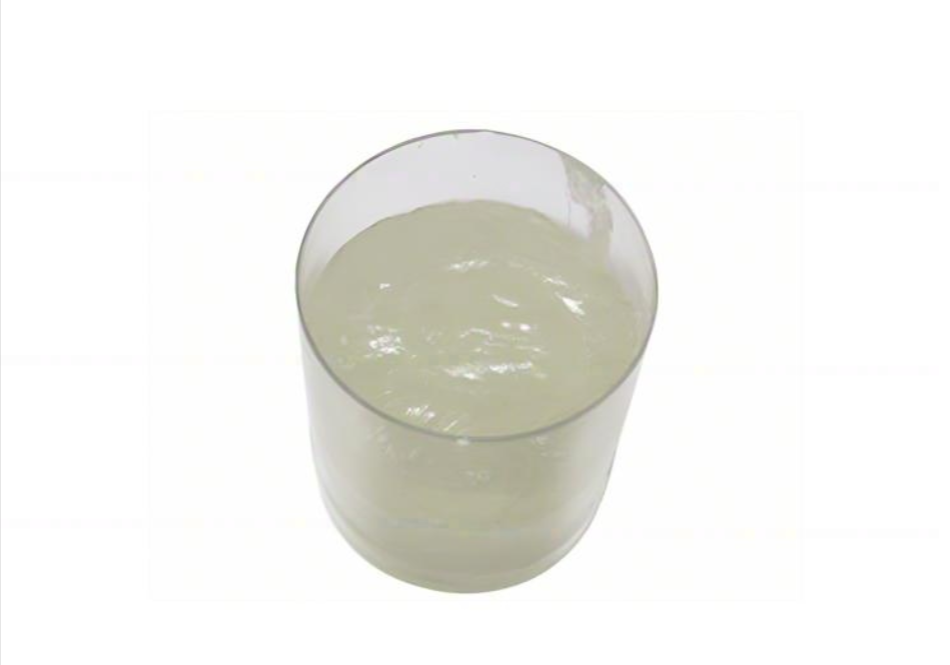
Stearyl Trimethyl Ammonium Chloride
 Product Introduction
Product NameStearyl Trimethyl Ammonium ChlorideCAS 112-03-8Quality StandardStand
- Model:
- Update Time:2025-12
- Manufacturer Type:
- Views:
Product Name | Stearyl Trimethyl Ammonium Chloride |
CAS | 112-03-8 |
Quality Standard | Standard |
Product Grade | Cationic Emulsifiers |
Place of Origin | China |
Dangerous Goods | No |
Stearyl Trimethyl Ammonium Chloride, abbreviated as STAC, is a long-chain alkyl quaternary ammonium salt-type cationic surfactant, synthesized via the quaternization reaction of stearyl alcohol and trimethylamine. Its molecular structure consists of a hydrophobic 18-carbon long alkyl chain and a hydrophilic quaternary ammonium cationic group. Under normal conditions, it exists as a white or pale yellow waxy solid, easily soluble in hot water, ethanol, and other polar solvents, and can disperse in cold water to form an emulsion.
Endowed with excellent cationic adsorptivity, emulsifying properties, softening effects, and antibacterial activity, STAC is widely used in daily chemical, textile, dyeing, and other industries. It exhibits good compatibility with non-ionic and amphoteric surfactants, but direct mixing with anionic surfactants is strictly prohibited—this will trigger reactions leading to precipitation and reduced efficacy.
I. Core Properties
Strong Cationic Adsorptivity
The quaternary ammonium cations in the molecule can tightly bind to negatively charged substrates such as hair, skin, and fibers, forming a uniform hydrophobic protective film. It delivers synergistic effects of softening, antistatic performance, and smoothness, with stable adsorption that is not easily washed off by water.
Efficient Emulsifying and Dispersing Capabilities
It effectively reduces oil-water interfacial tension, demonstrating excellent emulsifying effects on mineral oils, animal and vegetable oils, silicone oils, etc. It can prepare stable water-in-oil (W/O) or oil-in-water (O/W) emulsions; meanwhile, it can disperse powder particles such as pigments and fillers to prevent agglomeration.
Superior Softening and Antistatic Properties
When adsorbed on fiber surfaces, the long alkyl chains align directionally, reducing friction between fibers and significantly improving fabric hand feel. Additionally, it neutralizes negative charges on fiber surfaces, eliminating static accumulation and minimizing fabric pilling and dust adsorption.
Broad-Spectrum Antibacterial Activity
It can disrupt the permeability of bacterial cell membranes, inhibiting microbial metabolism and reproduction. It exhibits good inhibitory effects on both Gram-positive and Gram-negative bacteria, with long-lasting antibacterial efficacy.
Good Chemical Stability
It maintains stable performance in acidic and neutral systems and possesses excellent high-temperature resistance. However, in strongly alkaline environments, the quaternary ammonium groups may hydrolyze, resulting in decreased activity.
II. Main Application Fields
1. Daily Chemical and Cosmetics Industry
Hair Care Products: A core conditioning raw material for conditioners, hair masks, and hair treatments. It adsorbs onto the surface of hair cuticles, repairing damaged hair, reducing static electricity and frizz, and enhancing hair smoothness and luster—especially suitable for dry, permed, and dyed damaged hair. Recommended dosage: 0.5%–2.0%.
Skin Care Products: Used in moisturizing lotions, body creams, and antibacterial hand washes. It emulsifies oil components while forming a protective film on the skin surface to lock in moisture; its antibacterial properties also inhibit the growth of harmful bacteria on the skin, making it suitable for formulations targeting oily and acne-prone skin. Recommended dosage: 0.1%–1.0%.
Cleansing and Laundry Products: A key ingredient in fabric softeners, leaving washed clothes soft, fluffy, and with significant antistatic effects.
2. Textile and Dyeing Industry
Fabric Softening Finishing Agent: A commonly used softener for fabrics such as cotton, linen, wool, and chemical fibers. Fabrics treated with STAC exhibit a smooth hand feel, good drapability, strong antistatic capabilities, and excellent wash fastness, making it one of the mainstream raw materials in the textile post-finishing field. Recommended dosage: 1.0%–3.0% (based on fabric weight).
Dyeing Fixing Agent: Can be used as a fixing aid for direct dyes and acid dyes. Through the combination of cationic groups with dye anions, it enhances the adhesion of dyes to fibers, improving the washing fastness and rubbing fastness of dyed fabrics and reducing color fading.
Fiber Antistatic Agent: Used in the spinning and weaving processes of synthetic fibers, effectively eliminating fiber static, preventing fiber entanglement, and improving production efficiency.
3. Other Industrial Fields
Emulsifiers and Dispersants: Applied in pesticide emulsifiable concentrates, coatings, inks, and other systems to emulsify oil-soluble active ingredients and disperse pigment particles, enhancing product stability and uniformity.
Antibacterial and Antifungal Agents: Added to wood preservatives and water treatment agents, leveraging its antibacterial properties to inhibit the growth of bacteria and mold and extend product service life.
Asphalt Emulsifiers: Used in road construction to prepare cationic emulsified asphalt, improving the adhesion between asphalt and aggregates and enhancing pavement strength and durability.
III. Storage and Usage Notes
Store in a cool, dry, and well-ventilated warehouse, sealed to prevent moisture absorption. Avoid direct sunlight and high-temperature environments (storage temperature should not exceed 40℃) to prevent the waxy solid from melting and caking.
For dissolution, heat STAC to 50–60℃ and slowly add it to hot water or ethanol under stirring to accelerate dissolution; avoid direct addition to cold water to prevent caking.
During industrial operations, wear protective gloves and goggles to avoid direct skin contact and dust inhalation; if accidentally contacted with eyes, immediately rinse thoroughly with plenty of water and seek medical attention.
Waste disposal must comply with environmental protection regulations; do not discharge directly into water bodies to prevent toxic hazards to aquatic organisms.