

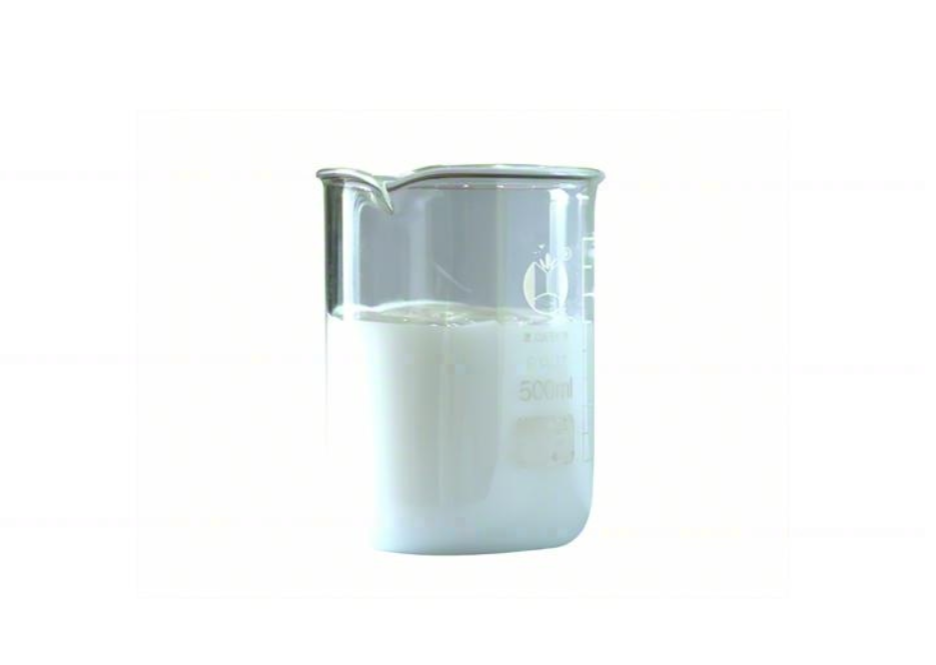
Polydimethylsiloxane
 Product Introduction
Product NamePolydimethylsiloxaneCAS9016-00-6Quality StandardStandardProduct Grad
- Model:
- Update Time:2025-12
- Manufacturer Type:
- Views:
Product Name | Polydimethylsiloxane |
| CAS | 9016-00-6 |
Quality Standard | Standard |
Product Grade | Cationic Emulsifiers |
Place of Origin | China |
Dangerous Goods | No |
Polydimethylsiloxane, commonly abbreviated as PDMS, is a linear organosilicon polymer composed of repeating dimethylsiloxane units [–Si(CH₃)₂O–] in its molecular structure. It is synthesized through the hydrolysis and polymerization of dimethyldichlorosilane, with its viscosity adjustable from low-viscosity mobile liquids to high-viscosity pastes by controlling the degree of polymerization.
Under room temperature conditions, PDMS typically exists as a colorless, transparent, odorless, and non-toxic liquid. It is insoluble in water and most polar solvents, but miscible with non-polar solvents such as benzene, toluene, and mineral oil. As a classic silicone material, PDMS boasts a series of excellent properties, making it a widely used functional ingredient in daily chemicals, industry, medicine, and many other fields.
Core Properties
Outstanding Thermal StabilityPDMS has a wide operating temperature range, usually from -50°C to 200°C, and can maintain stable physical and chemical properties within this interval. It is not prone to decomposition, volatilization, or oxidation at high temperatures, and will not freeze or lose fluidity at low temperatures, making it suitable for use in harsh temperature environments.
Excellent Hydrophobicity and Moisture ResistanceThe methyl groups on the PDMS molecular chain have strong hydrophobicity, enabling the material to form a dense water-repellent film on the surface of substrates. This film can effectively prevent water molecules from penetrating, providing long-lasting moisture-proof and waterproof effects without affecting the breathability of the substrate.
Low Surface Tension and Superior LubricityPDMS has lower surface tension than most organic oils, which endows it with good wetting, spreading, and defoaming properties. Meanwhile, its flexible molecular chain structure results in a low friction coefficient, making it an ideal lubricant for precision instruments, plastics, and rubber products, with a long lubrication service life.
Chemical Inertness and BiocompatibilityPDMS is chemically stable and does not react with acids, alkalis, salts, or most organic substances under normal conditions. It also has excellent biocompatibility, causing no irritation to human skin and mucous membranes, and fully complying with the safety standards of medical and cosmetic products.
Main Application Fields
1. Daily Chemical and Cosmetics Industry
This is one of the most common application fields of PDMS, where it is highly valued for its excellent conditioning effects on skin and hair.
In skin care products such as moisturizing creams, lotions, foundations, and sunscreens, PDMS forms a thin, breathable protective film on the skin surface, locking in moisture and preventing water loss. It also improves the spreadability of products, making them easy to apply without leaving a sticky residue, and can fill fine lines on the skin to enhance the smoothness of makeup.
In hair care products including shampoos, conditioners, and hair serums, PDMS adsorbs onto the hair surface to reduce friction between hair strands, improving combability, eliminating static electricity, and reducing frizz. It leaves hair soft, glossy, and manageable, especially suitable for repairing dry and damaged hair caused by perming and dyeing.
It is also added to personal care products such as deodorants, antiperspirants, and body lotions, playing a role in smoothing the skin and enhancing the overall texture of the products.
2. Industrial Lubrication and Mold Release
As a lubricant, PDMS is widely used for precision instruments, bearings, gears, and molds that require high-temperature resistance. It is particularly suitable for lubrication in harsh working conditions such as high temperature, high humidity, and corrosive environments, and can also be used as a lubricant for plastic and rubber parts to avoid friction-induced damage.
As a high-efficiency mold release agent, PDMS is applied in the plastic, rubber, and die-casting industries. It can form a uniform and stable release film on the mold surface, enabling products to be demolded quickly and easily without affecting the surface finish of the final products. It is a mainstream release agent for the production of silicone rubber, polyurethane, and ABS plastic products.
3. Medical and Pharmaceutical Industry
Benefiting from its good biocompatibility and chemical inertness, PDMS plays an important role in the medical field.
In medical devices, it is used as a lubricant for catheters, endoscopes, and other invasive instruments, reducing friction during insertion and minimizing irritation to human tissues. It can also be used as a coating material for medical instruments to improve their corrosion resistance and biocompatibility.
In pharmaceutical preparations, it serves as an auxiliary material for oral medicines and topical ointments, acting as a defoamer and dispersant. For example, it is added to anti-foaming drugs for treating flatulence, which can reduce the surface tension of intestinal bubbles and promote their rupture and discharge.
4. Other Industrial Fields
In the textile industry, PDMS is used as a softener and water repellent for fabrics. It can make cotton, wool, synthetic fibers, and other fabrics soft, smooth, and wrinkle-resistant, while improving their water repellency and stain resistance, extending the service life of the fabrics.
As a defoamer, PDMS is applied in industrial production processes such as papermaking, wastewater treatment, and fermentation. Its low surface tension enables it to quickly break existing foam and prevent foam regeneration, thus improving production efficiency and product quality.
In the electronics industry, it is used as an insulating oil for transformers, capacitors, and other electronic components, with good electrical insulation performance and thermal conductivity, which can improve the safety and service life of electronic equipment.
Storage and Safety Instructions
PDMS should be stored in sealed plastic or iron drums, placed in a cool, dry, and well-ventilated warehouse, away from direct sunlight, heat sources, and open flames. It should not be mixed with strong oxidants, acids, or alkalis to avoid unnecessary chemical reactions. When stored properly, its shelf life is generally 2 to 3 years.
PDMS is not classified as a hazardous chemical. It is non-toxic, non-flammable, and non-corrosive. During industrial operations, avoid inhaling a large amount of its vapor or mist; if it comes into contact with the skin, rinse with soap and water if necessary. It is safe for use in cosmetics and medical products within the recommended dosage range.
When disposing of waste PDMS, it should be handled in accordance with local environmental protection regulations, and direct discharge into water bodies should be avoided to prevent potential impacts on aquatic ecosystems.