

Global Application Scenarios of Extreme Pressure and Anti-Wear Additives
Extreme Pressure (EP) and Anti-Wear (AW) additives serve as core functional components in lubricants, protecting metal surfaces from wear, scuffing, and sintering under harsh conditions by forming chemical or physical protective films .
Their applications span multiple key industries with distinct demands.
In the industrial sector, which accounts for over half of global consumption, these additives are widely used in gear oils, hydraulic fluids, and metal processing fluids .
Wind power gearboxes rely on sulfur-phosphorus composite EP additives for high thermal stability to withstand long-term heavy-load operation, while construction machinery hydraulic oils adopt composite phosphate and organic molybdenum systems to resist micro-pitting . manufacturing equipment also demand additives compatible with wide temperature ranges and extended service cycles.
The automotive sector represents another major application field. Traditional internal combustion engine oils primarily use zinc dialkyldithiophosphates (ZDDP) for anti-wear protection, but the rise of new energy vehicles (NEVs) is reshaping demand . NEV transmission systems require ashless, copper-compatible additives to avoid corrosion of electrical components, driving the adoption of boron-based and molybdenum-based alternatives . Additionally, automatic transmission fluids (ATF) prefer low-phosphorus ZDDP derivatives to maintain compatibility with catalytic converters .
Other niche applications include marine lubricants for ship engines and industrial greases for heavy machinery, where additives must balance extreme pressure performance with environmental safety .
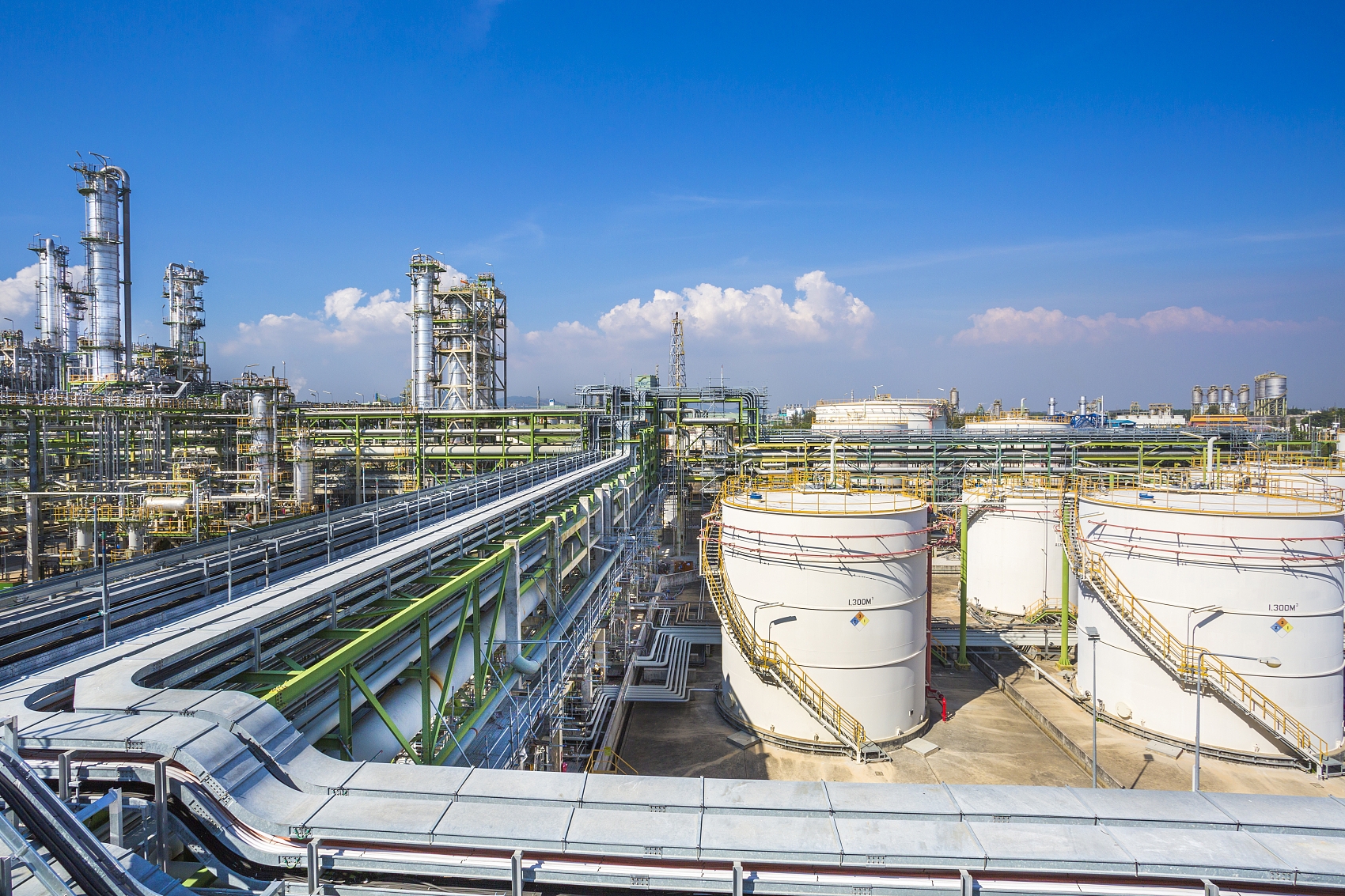
Global Market Consumption Status
The global EP/AW additives market exhibits steady growth driven by industrial expansion and lubricant upgrading. In 2025, the combined market size of EP and AW additives is estimated at approximately USD 2.185 billion, with projections to reach USD 2.977 billion by 2031 at a CAGR of 5.3% . Separately, the extreme pressure lubricant additives segment alone was valued at USD 1.084 billion in 2024, growing at a 5.5% CAGR .
From a product perspective, traditional sulfur-phosphorus compounds and ZDDP remain dominant. ZDDP accounts for about 38% of the market, while sulfur-phosphorus composites represent 31%, thanks to their cost-effectiveness and proven performance . Sulfur-based additives, including sulfurized olefins, hold a 42% share due to their excellent extreme pressure capabilities in gear oils . However, chlorinated additives have declined to less than 3% amid environmental restrictions .
Regionally, Asia-Pacific leads consumption, with China contributing over 40% of the region’s demand due to its booming manufacturing and NEV sectors . The region’s market is growing at a 5.8% annual rate . North America and Europe maintain substantial shares, driven by mature automotive industries and strict equipment maintenance standards, though their growth rates are slightly lower than Asia-Pacific .
Downstream demand structure shows industrial lubricants (58%) as the largest consumer, followed by metal processing fluids (28%) and automotive lubricants (18%) . Automotive engine oil applications alone account for 38% of AW additive consumption .
Future Development Trends
The EP/AW additives industry is evolving toward high performance, environmental friendliness, and customization, shaped by regulatory pressures and technological innovation.
Green and Low-Carbon Transformation is the most prominent trend. Stringent regulations such as China’s GB 11121-2025 standard and the EU’s REACH are phasing out high-sulfur, high-phosphorus, and chlorinated formulations . Biodegradable, ashless, and sulfur-free/phosphorus-free additives have become R&D priorities. Organic molybdenum-boron composites and nano-additives (e.g., graphene-nano molybdenum disulfide blends) have shown promise, reducing wear scar diameters by up to 42% in lab tests .
High-Performance and Composite Formulations are gaining traction. The shift to synthetic base oils (e.g., PAO, esters) requires additives with better compatibility and thermal stability . Multi-functional composites (e.g., S-P-N systems) that integrate anti-wear, extreme pressure, and anti-corrosion properties are replacing single-component products .
Demand Diversification from Emerging Sectors will drive growth. NEV transmission systems and wind power gearboxes are creating new needs: NEV-specific additives are projected to account for 15% of the market by 2030 . High-speed rail bearings and large-scale industrial robots also demand custom additives for extreme operating conditions .
Supply Chain Optimization is becoming critical. Volatile prices of raw materials like sulfurized olefins (fluctuating 15-20% in 2023-2025) are pushing manufacturers toward vertical integration and green synthesis processes to control costs .
Overall, the global EP/AW additives market will grow at a steady pace, with environmentally friendly, high-performance products and solutions for emerging industries becoming key competitive factors .